Nitrile Glove Articles
Dive into our readers' top picks spanning diverse topics, from enlightening how-to guides and insightful personal stories to in-depth analyses and creative inspirations.
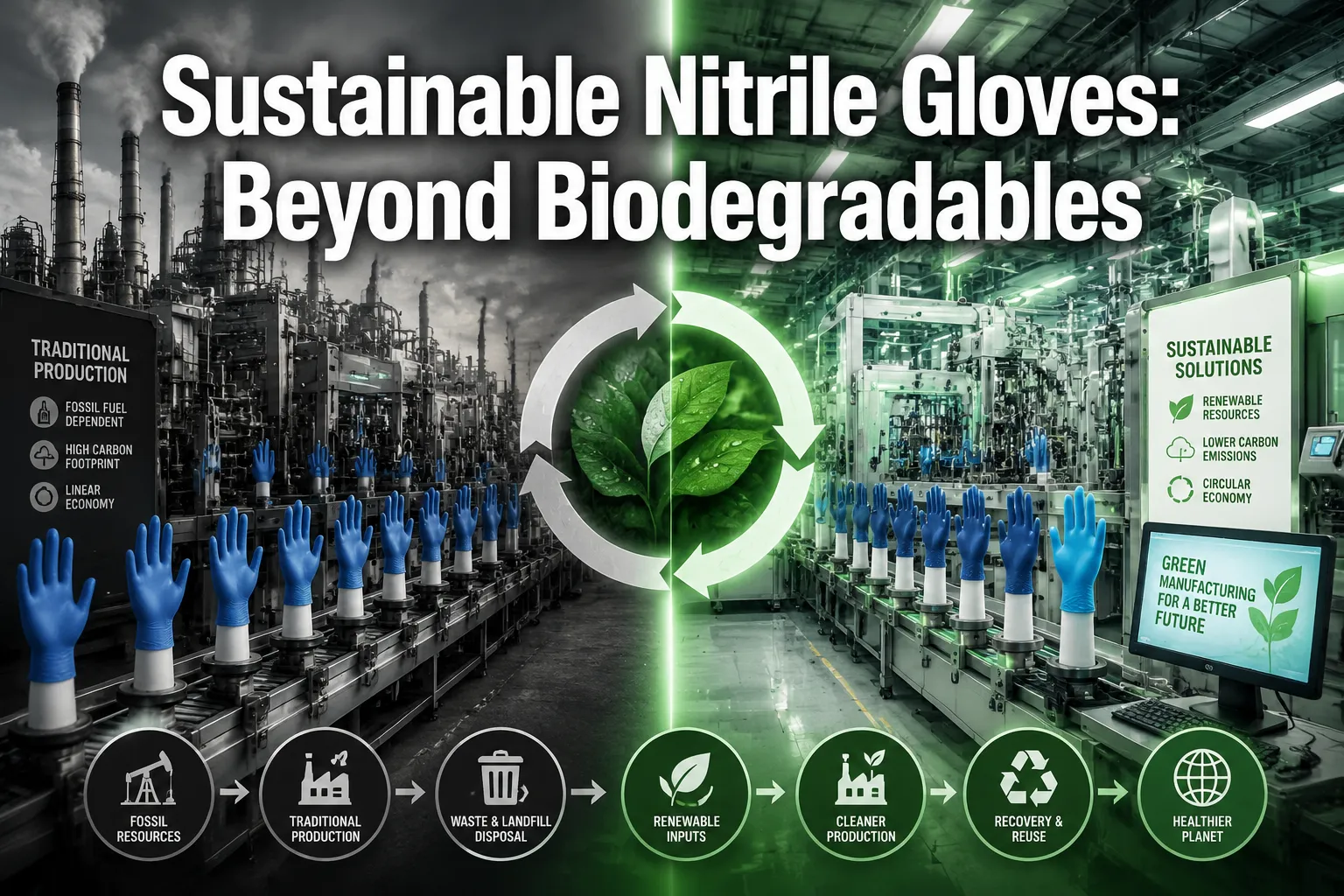
Last updated: June 29, 2026 Healthcare facilities worldwide discard an estimated 7.5 billion nitrile gloves annually, creating a waste crisis that biodegradable alternatives alone cannot solve. Sustainable nitrile gloves beyond biodegradables focus on low-impact production methods and circular economy models that address the full lifecycle of disposable gloves, from raw material sourcing through end-of-life recovery. […]
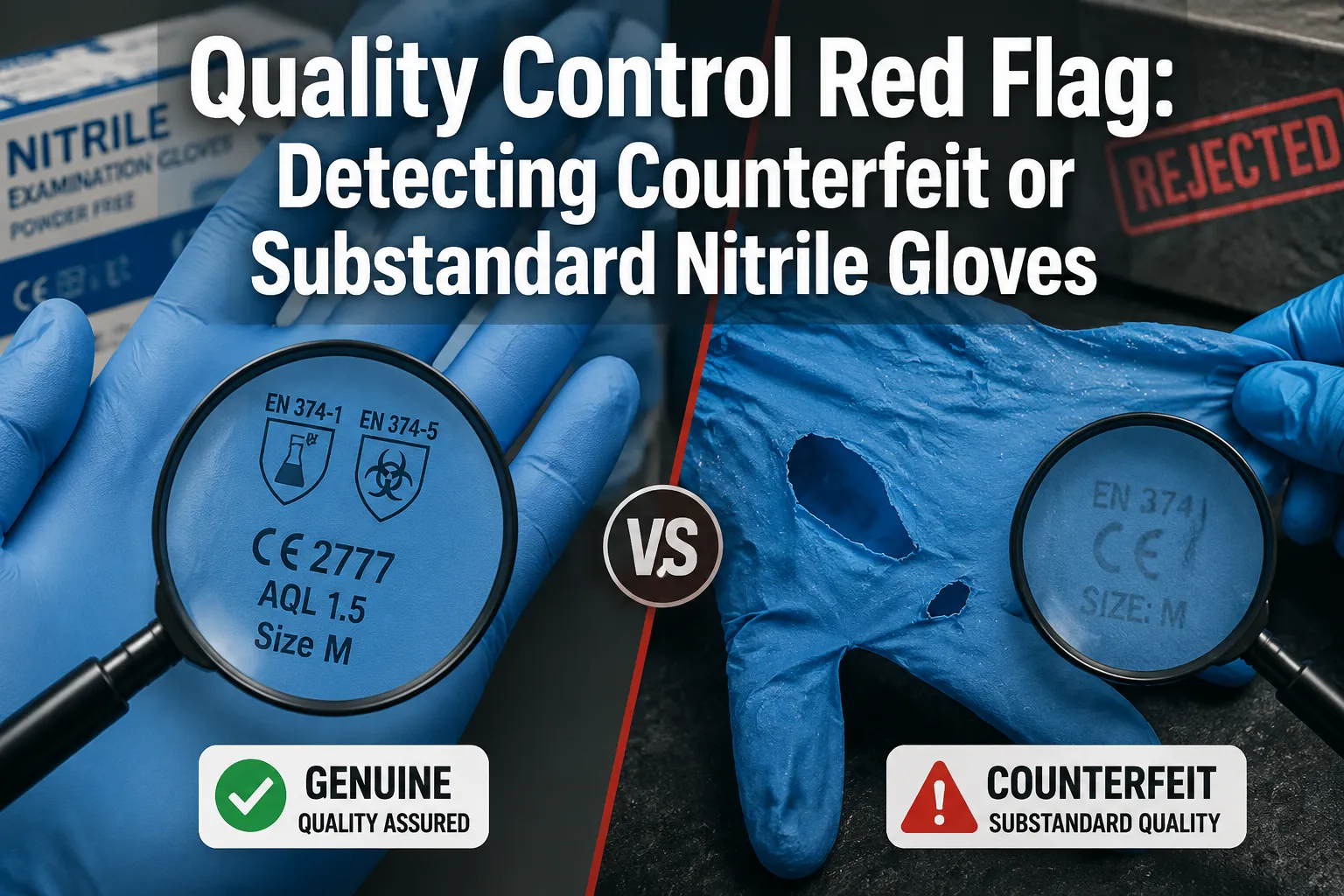
Last updated: June 29, 2026 Quick Answer Counterfeit and substandard nitrile gloves can be identified through several quality control red flags: missing or fake certification marks (ASTM, EN, FDA), unusually low prices, excessive tearing during normal use, visible white powder or particles indicating calcium carbonate fillers, inconsistent thickness measurements, and lack of verifiable manufacturer information. […]

Last updated: June 29, 2026 Healthcare workers handling hazardous chemotherapy drugs face significant exposure risks that demand specialized protective equipment. Nitrile gloves for chemotherapy handling provide superior drug resistance, safety protocols, and healthcare guidelines compliance compared to other glove materials, making them the gold standard for oncology nurses, pharmacy technicians, and medical staff working with […]

Last updated: June 28, 2026 Quick Answer Nitrile glove grip innovations beyond micro-texturing now include sandy-finish surfaces, polymer coatings, and hybrid texture patterns that deliver superior performance in wet and oily conditions. Sandy-finish nitrile gloves use granular surface treatments that create thousands of micro-contact points, offering 30-40% better grip on wet metal and glass compared […]

Last updated: June 28, 2026 Between 8% and 17% of healthcare workers develop allergic contact dermatitis from disposable gloves, yet most assume switching from latex to nitrile solves the problem. It doesn’t. Traditional nitrile gloves contain chemical accelerators that trigger reactions in sensitive users, and some formulations even carry residual proteins that cross-react with latex […]

Last updated: June 28, 2026 The global nitrile gloves market is projected to reach $25 billion by 2035, driven by Asia-Pacific manufacturing expansion, automation advances, and sustained demand across healthcare, food service, and industrial sectors. Understanding the Nitrile Gloves Market Forecast to 2035: Key Trends Shaping Purchases Today helps procurement managers, safety officers, and business […]
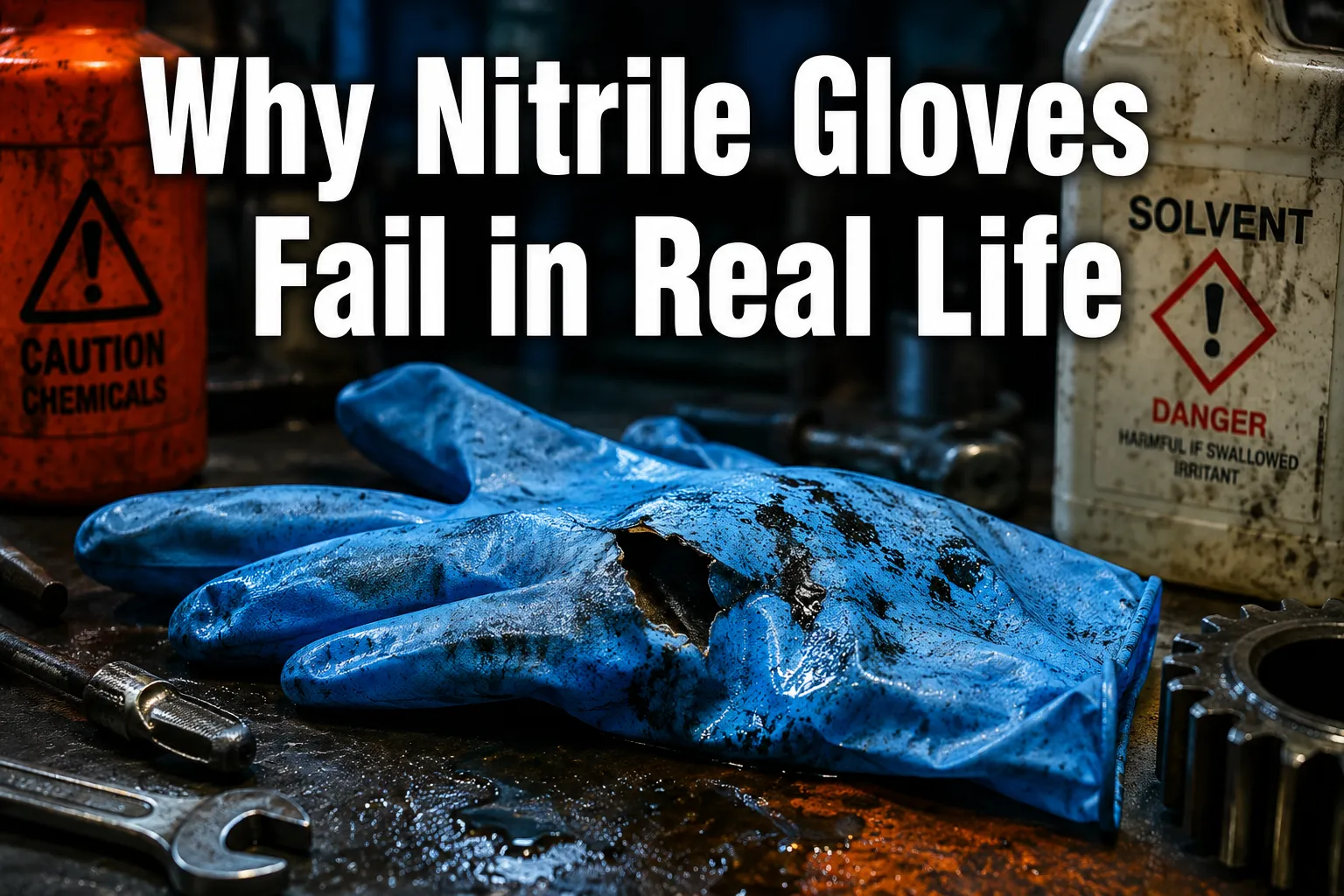
Last updated: June 28, 2026 Quick Answer Nitrile gloves fail in real-world applications primarily due to mechanical stress from improper sizing, chemical exposure that degrades the polymer structure, and environmental factors like heat and aging that compromise material integrity. Most failures occur not because nitrile is inadequate, but because users select the wrong thickness, store […]

Last updated: June 28, 2026 Chronic disease cases are climbing worldwide, and healthcare facilities are responding with unprecedented demand for personal protective equipment. Nitrile gloves have become the frontline defense for healthcare workers managing patients with diabetes, cardiovascular disease, chronic respiratory conditions, and other long-term illnesses that require frequent medical intervention. As chronic disease prevalence […]

Last updated: June 27, 2026 Quick Answer Thick durable nitrile gloves rated at 15 mil or higher provide superior chemical resistance and puncture protection for oil and gas workers, with proper cleaning protocols enabling multiple reuses that reduce costs by 40-60% compared to single-use alternatives. These heavy-duty gloves resist crude oil, diesel, hydraulic fluids, and […]