Articles
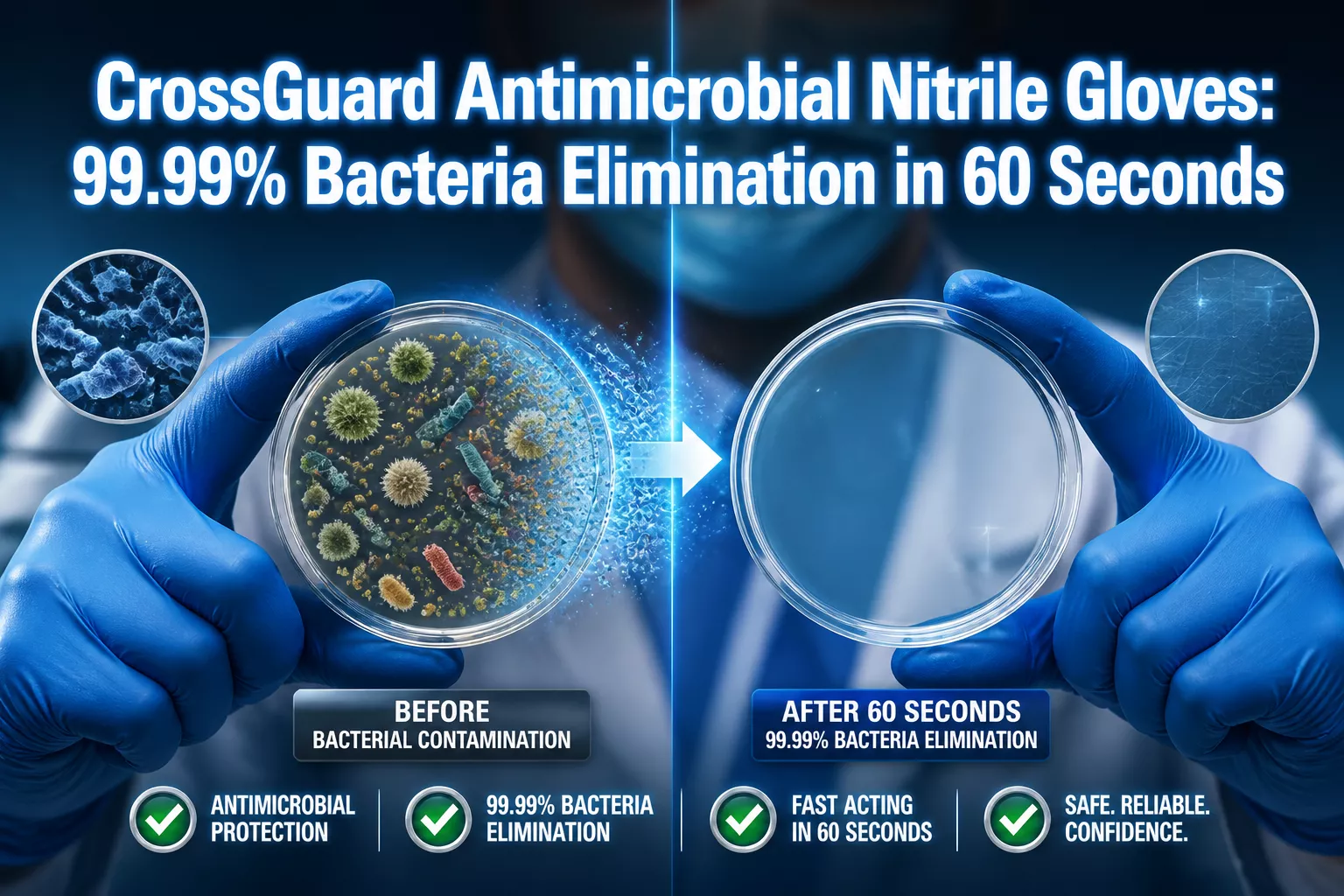
Healthcare-acquired infections affect approximately 1 in 31 hospital patients on any given day, costing the healthcare system billions annually. In October 2024, Unigloves and KluraLabs™ responded to this crisis by launching CrossGuard Antimicrobial Nitrile Gloves, a breakthrough product that eliminates 99.99% of selected bacteria in just 60 seconds. This innovation represents a significant leap forward […]

When MAPA Professional unveiled the Solo 980 in December 2024, they addressed a critical gap in the disposable glove market: workers needed 8 mil protection without sacrificing tactile sensitivity. This thick nitrile glove delivers mechanical strength for heavy-duty tasks while maintaining the finger dexterity required for precision work—a combination that’s transforming how industries approach hand […]

Petrochemical facilities across North America discarded an estimated 2.3 billion disposable gloves in 2025, creating mountains of non-biodegradable waste while draining operational budgets. As heavy industry confronts both environmental accountability and cost pressures in 2026, durable reusable nitrile gloves are emerging as the practical solution that addresses both challenges. Understanding the cost savings and applications […]

Africa’s glove market exploded by 49.8% between 2021 and 2025, transforming from a $516 million sector into a $774 million opportunity—yet this represents merely 2.62% of global market share. While Asia dominates headlines, Nitrile Gloves in Emerging Economies: Africa and Latin America Growth Opportunities and Sourcing Guide reveals untapped potential in regions where healthcare expansion […]
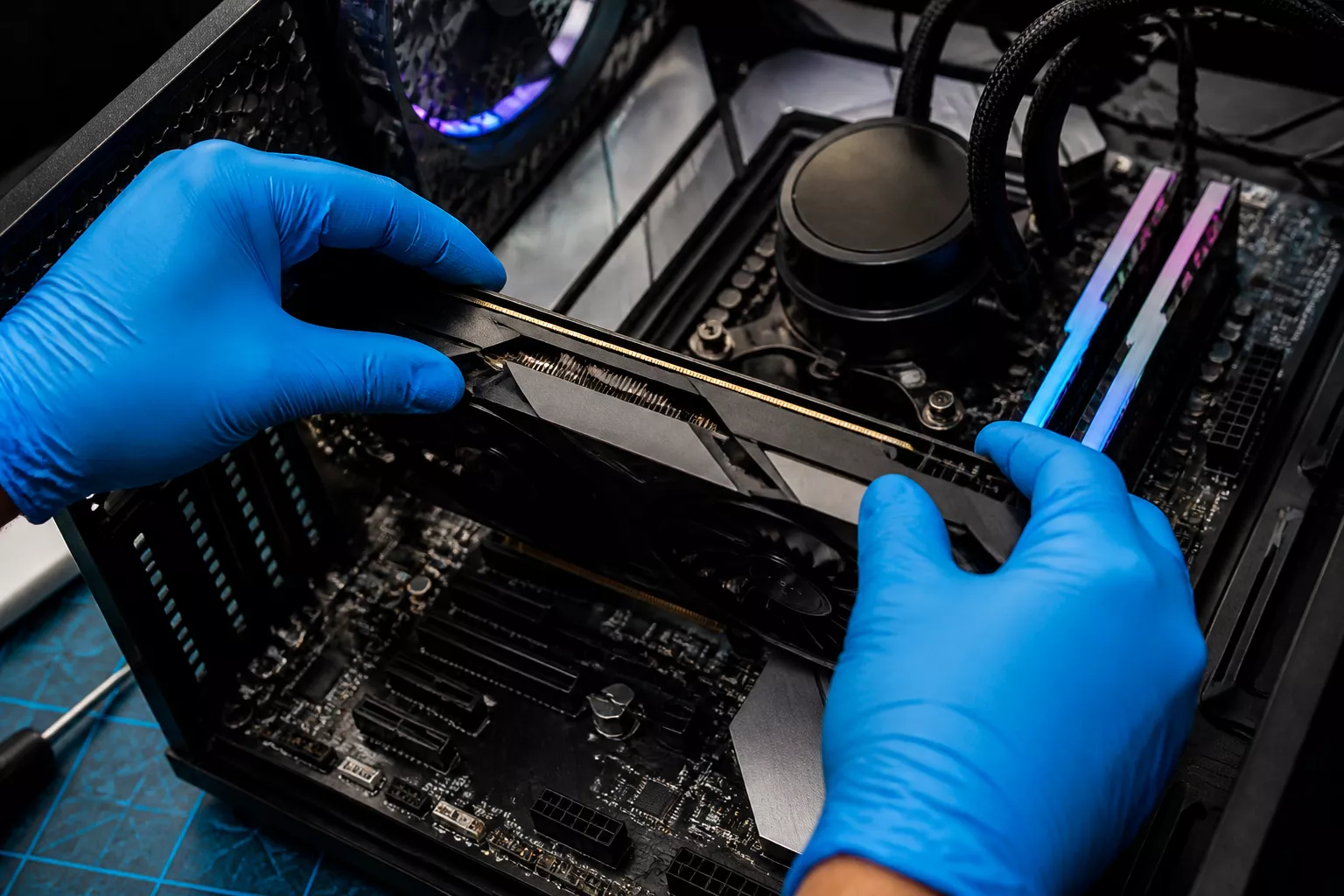
Last updated: May 2, 2026 Quick Answer Nitrile gloves are essential for computer builders and technicians because they provide antistatic protection that prevents electrostatic discharge (ESD) damage to sensitive components, offer superior tactile sensitivity for handling tiny screws and connectors, and resist oils and chemicals that could contaminate electronics. Unlike bare hands, nitrile gloves create […]
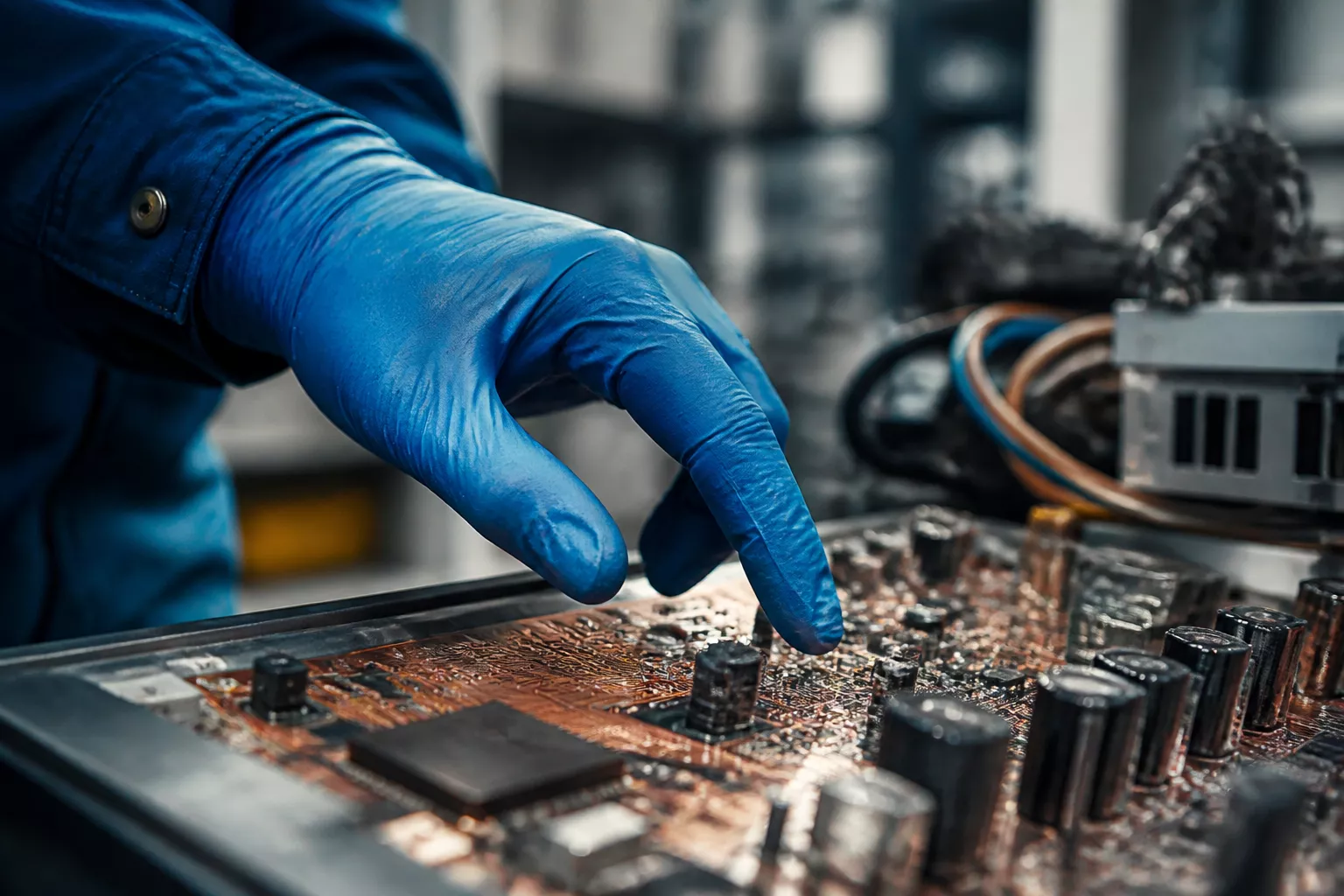
Last updated: May 2, 2026 Quick Answer Nitrile gloves do not conduct electricity in their pure form and act as insulators under normal conditions. However, standard disposable nitrile gloves are not rated or designed for electrical work, especially in high-voltage environments. While they provide basic protection against low-voltage static discharge, they should never replace ASTM-certified […]
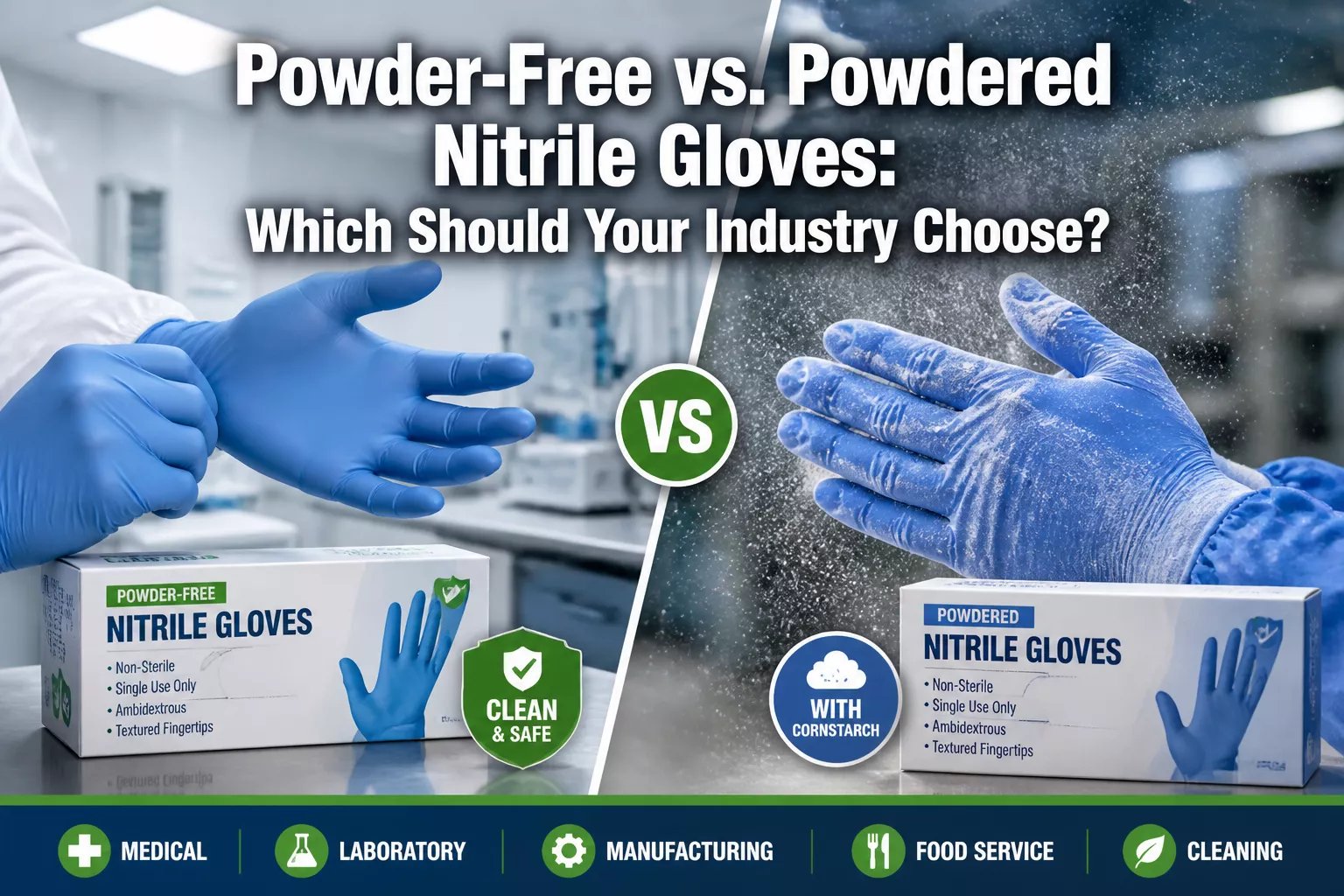
The FDA’s 2017 ban on powdered medical gloves eliminated an entire product category from healthcare facilities, forcing a complete industry transformation. By 2026, powder-free nitrile gloves command over 85% of the global disposable glove market, yet many industries still question whether this shift applies to their specific operations. Understanding powder-free vs. powdered nitrile gloves: which […]

Between 8-17% of healthcare workers develop latex allergies during their careers, forcing hospitals worldwide to rethink their glove protocols. This staggering statistic has triggered a fundamental shift in medical protective equipment, with nitrile gloves now dominating hospital supply rooms where latex once reigned supreme. Understanding the Nitrile vs. Latex: The Complete Allergy-Free Comparison for Healthcare […]
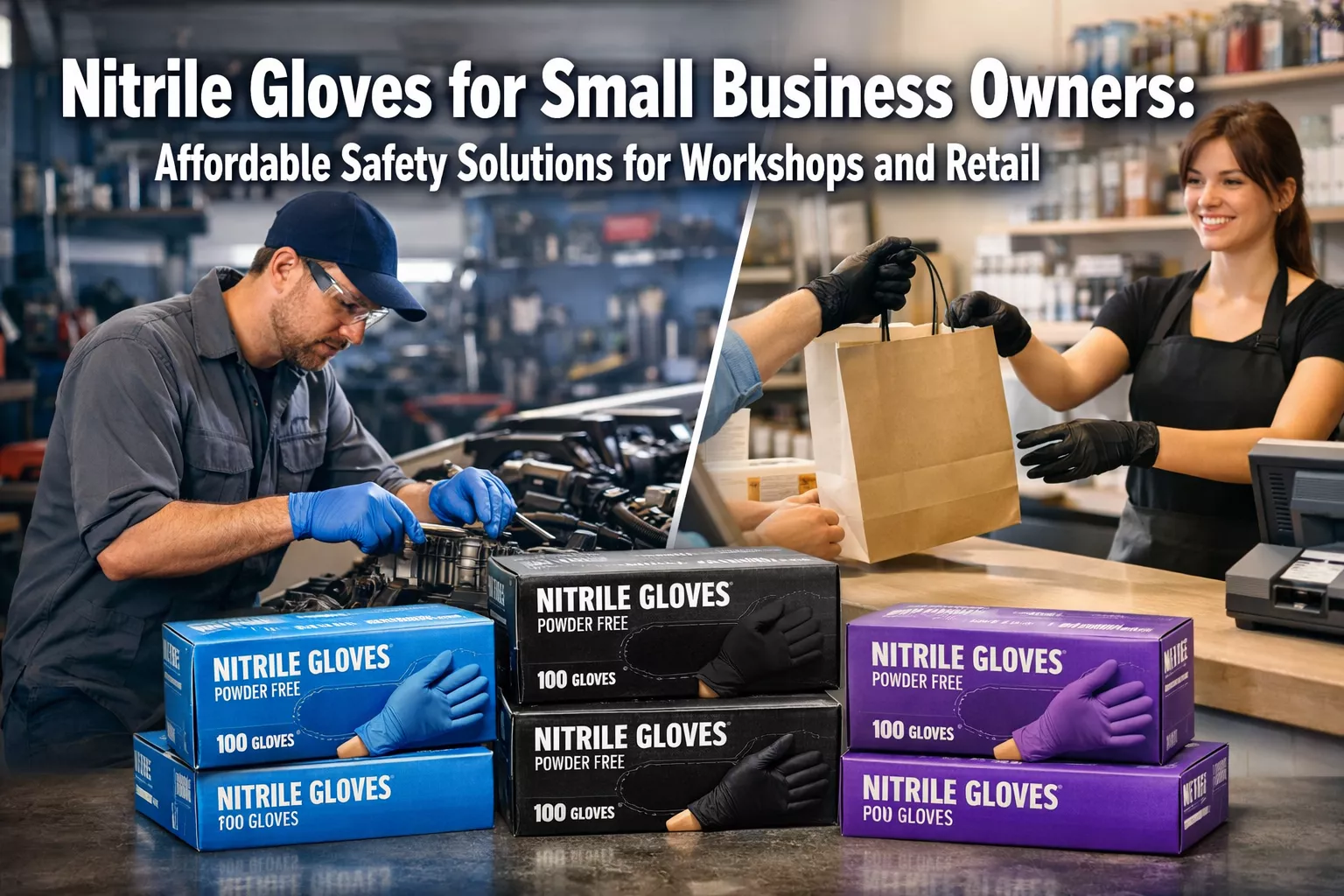
Small business owners face a harsh reality in 2026: workplace injuries cost U.S. businesses over $170 billion annually, with hand injuries accounting for nearly 25% of all incidents. For workshop and retail operators working on tight margins, nitrile gloves for small business owners: affordable safety solutions for workshops and retail represent not just protection, but […]