Nitrile Gloves Information
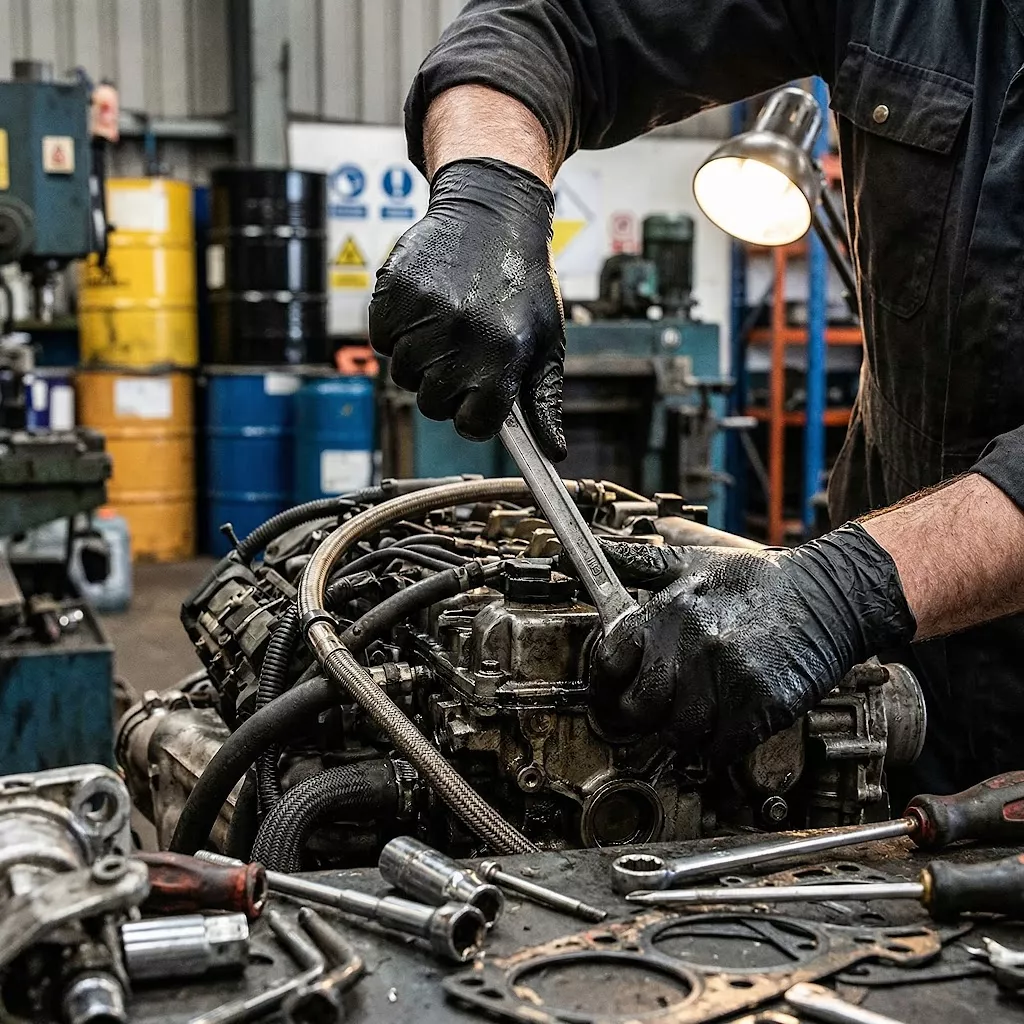



The thickness of nitrile gloves is important for their durability and protection against oil exposure. Thicker gloves offer more protection but less dexterity, while thinner gloves provide better sensitivity but less protection. Balancing these factors helps you choose the right gloves for safety and performance in oil-exposed situations.

Nitrile gloves protect against various oils, but their effectiveness varies based on factors such as material and oil type. Evaluating performance through testing is crucial for selecting the most suitable gloves to ensure adequate protection and safety.

Nitrile gloves can last a long time in storage, but their lifespan during use depends on various factors. It's important to check them often and follow safety guidelines to ensure their effectiveness and safety in the work environment.

When nitrile gloves are in contact with oil for an extended period, it can affect their protective qualities. This article explores how oil exposure impacts nitrile gloves' integrity, permeation rates, resistance, and comfort, helping you make informed decisions about their use and maintenance.

Using gloves is essential for safety when getting a tattoo to prevent risks of infections and bacterial transfer.

Nitrile gloves, despite being safe and popular, can cause allergic reactions in some people. This article delves into the reasons, signs, and ways to prevent allergies to nitrile gloves.