Nitrile Gloves Information


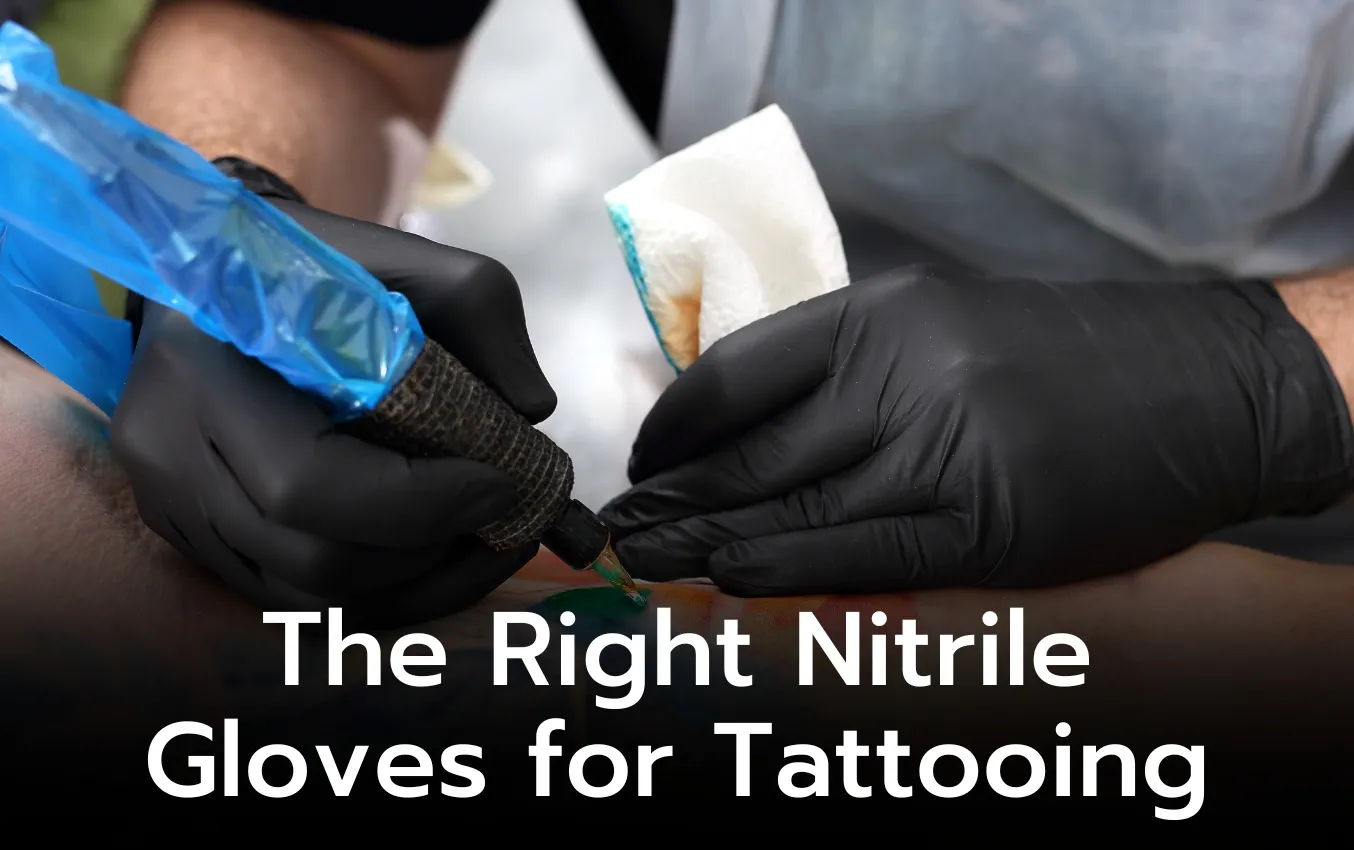
As a tattoo artist, it's important to prioritize safety and hygiene by using nitrile gloves to prevent contamination and infection. Let's discuss how to choose the right gloves.
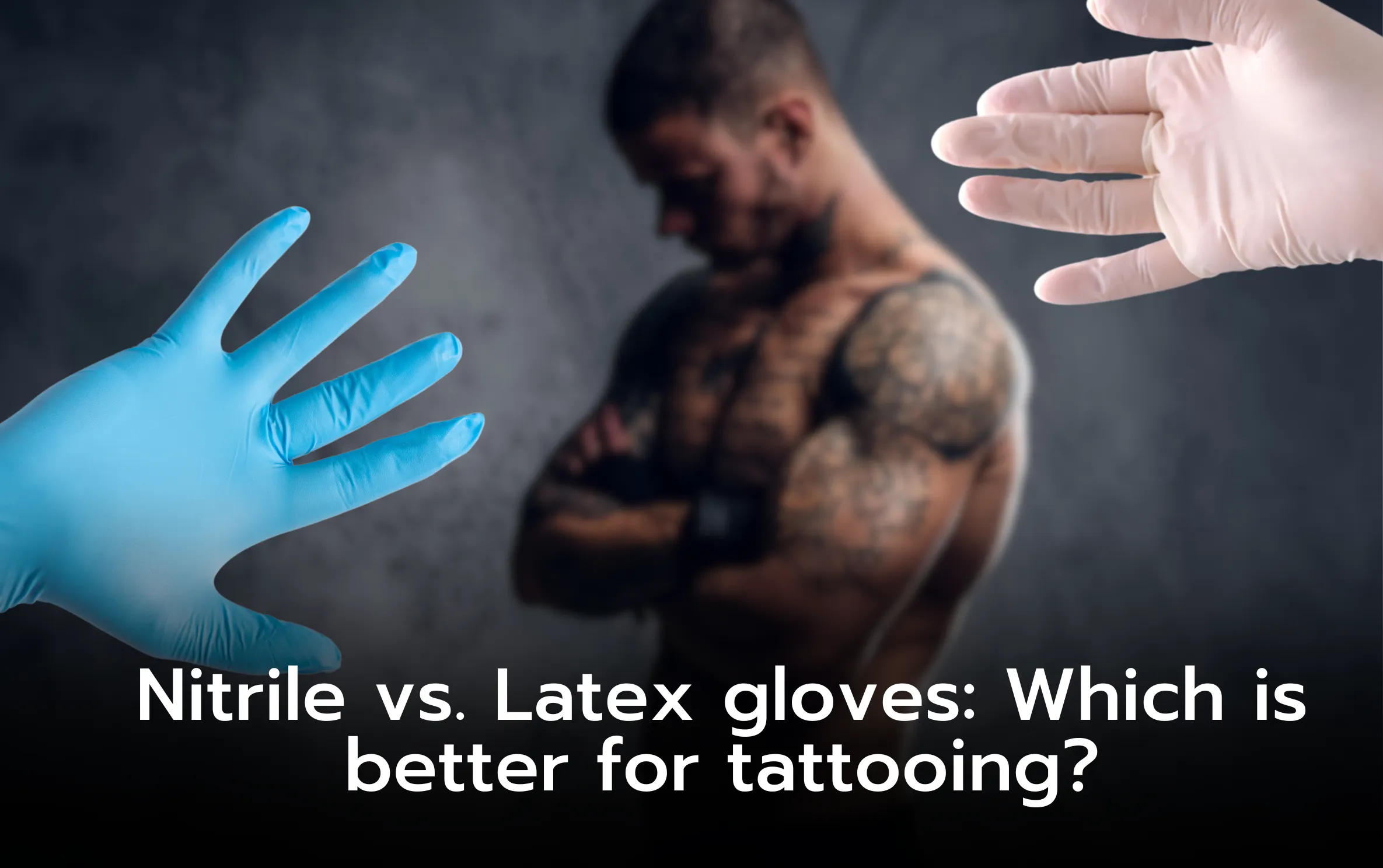
As a tattoo artist, wearing gloves that offer effective protection against bloodborne pathogens and contaminants is crucial. Nitrile and latex gloves are two popular options, and understanding their differences in barrier integrity, puncture resistance, allergies, durability, and protection can help you choose the best material for your tattooing needs.
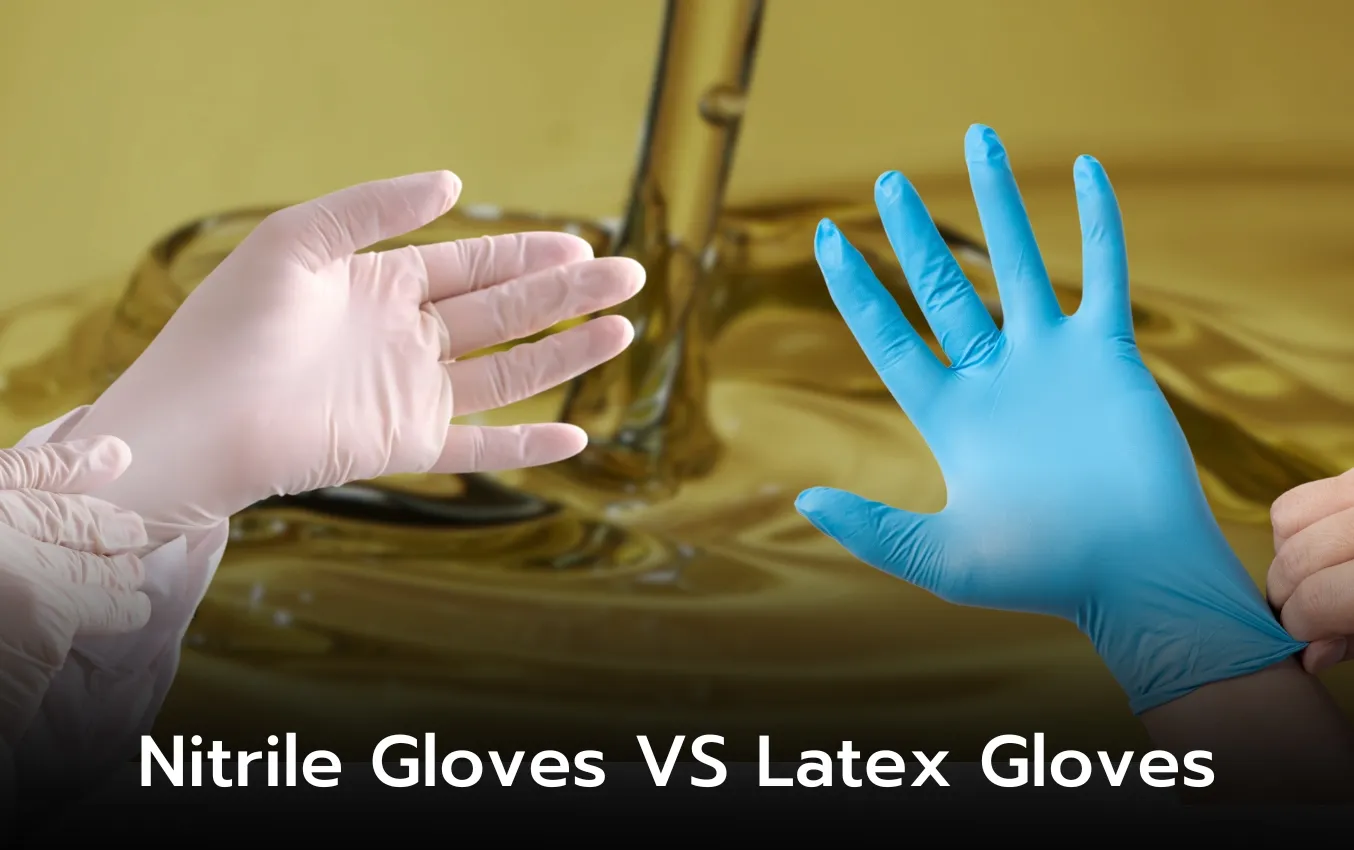
Nitrile gloves outperform latex gloves in resisting oil, chemicals, and overall durability. Considering these differences is crucial for safety and efficiency when choosing gloves. The right gloves will protect you well against oil and chemical exposure.
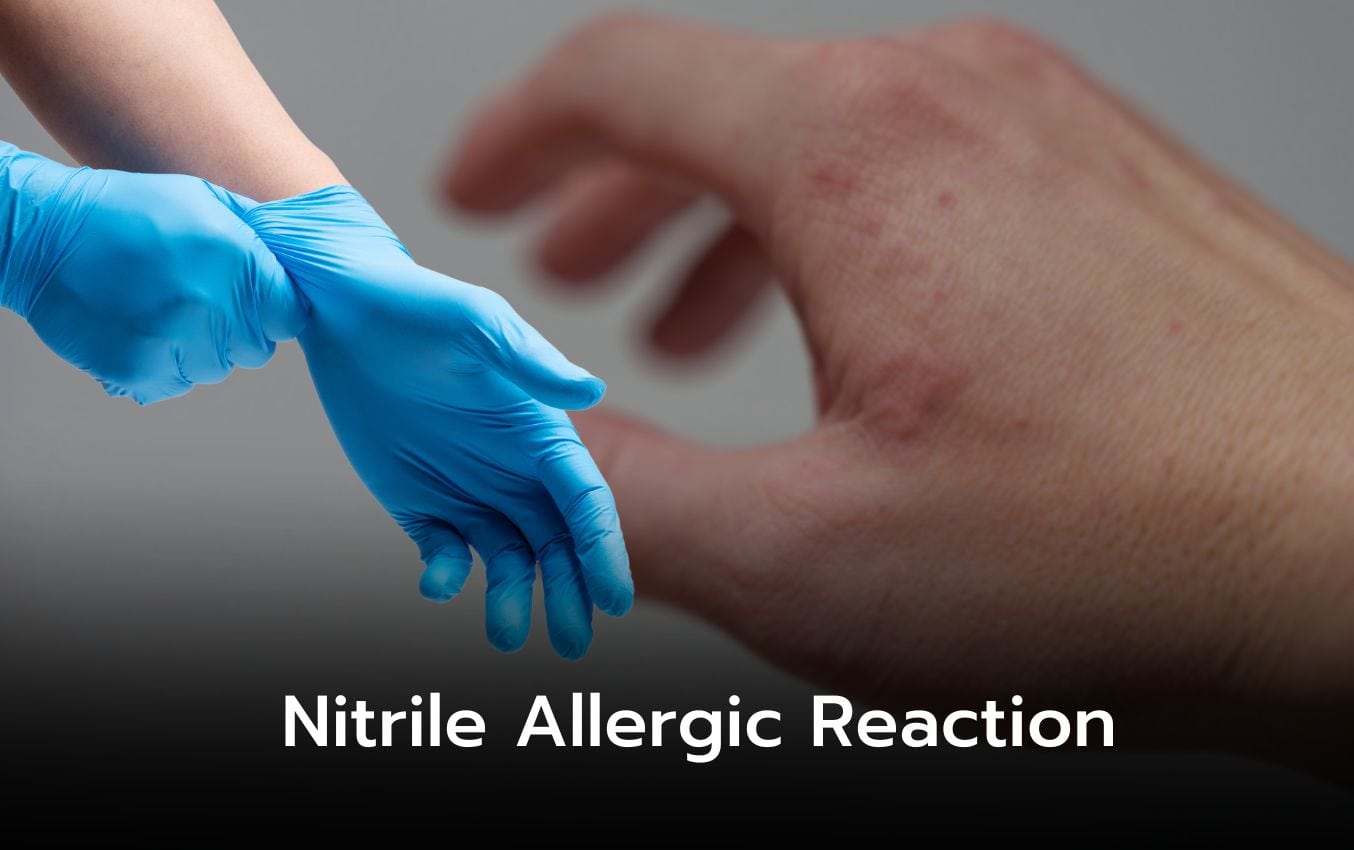
Nitrile gloves are considered safer and more durable than latex gloves because of their hypoallergenic properties. However, allergic reactions can still occur due to chemicals in the manufacturing process, leading to skin or systemic symptoms. Healthcare workers should be aware of the allergy risk and take preventive measures, including diagnostic testing.
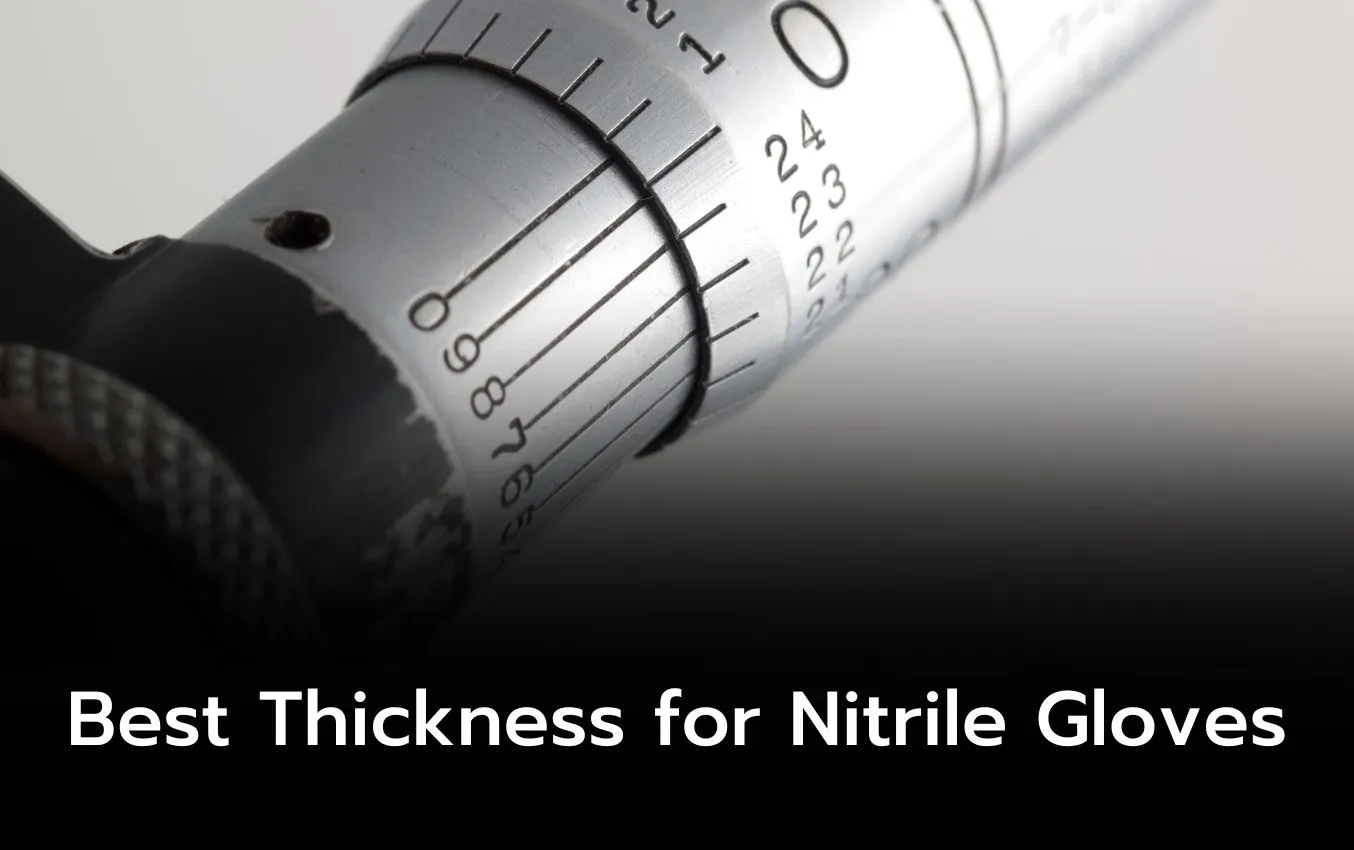
Selecting the appropriate thickness of nitrile gloves depends on the task's needs for protection and dexterity. Gloves ranging from 2 to 8 mils cater to different levels of protection, comfort, and sensitivity. Consider the task at hand when choosing the right glove thickness.

Recycled nitrile gloves help industries reduce environmental impact by choosing the most recyclable option, supporting sustainability and decreasing landfill waste.