Nitrile Gloves Information





Every dental visit begins with a simple step most patients never notice: a pair of gloves sliding over the clinician’s hands. That thin layer separates skin from the oral cavity and everything inside it. For many practices, that barrier is nitrile, not latex, because nitrile gloves for dentists now sit at the center of safe, […]

Every scratch, oil stain, and chemical splash on a mechanic’s hands tells a story. The shop may have steel-toe boots, safety glasses, and coveralls, yet the hands still take the hits first. That is exactly why learning how to choose gloves for automotive work matters far more than grabbing the cheapest box on the shelf. […]

Do your hands get red, itchy, or sore after wearing disposable gloves? You are not the only one who struggles with this common and uncomfortable problem. This guide will help you understand why it happens and show you how to find the perfect gloves to keep your hands safe and comfortable. Hands in Harmony: Understanding […]
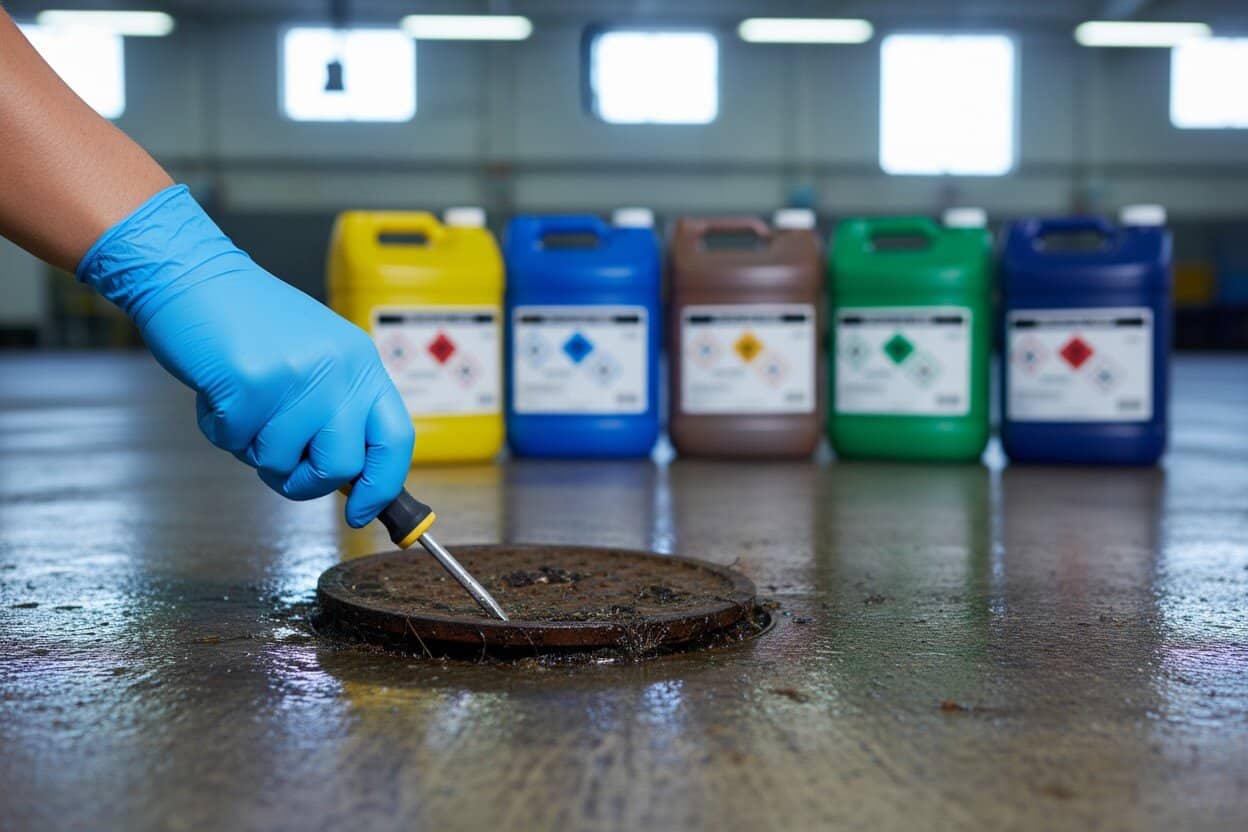
Nitrile rubber’s chemical structure blocks oil. It’s made to resist petroleum products, forming a barrier that slows chemicals from passing through. This keeps oils and grease out, so nitrile gloves last longer than other disposables.

We use nitrile gloves to protect our hands, but how well do they really work against chemicals? It's not as simple as grabbing any box off the shelf.

Some people believe nitrile gloves may cause cancer due to concerns about the chemicals used in their production, particularly acrylonitrile, a potential carcinogen. However, nitrile gloves are generally considered safe for use. Misunderstandings about chemical exposure and misinformation can contribute to these fears.