Nitrile Gloves Information
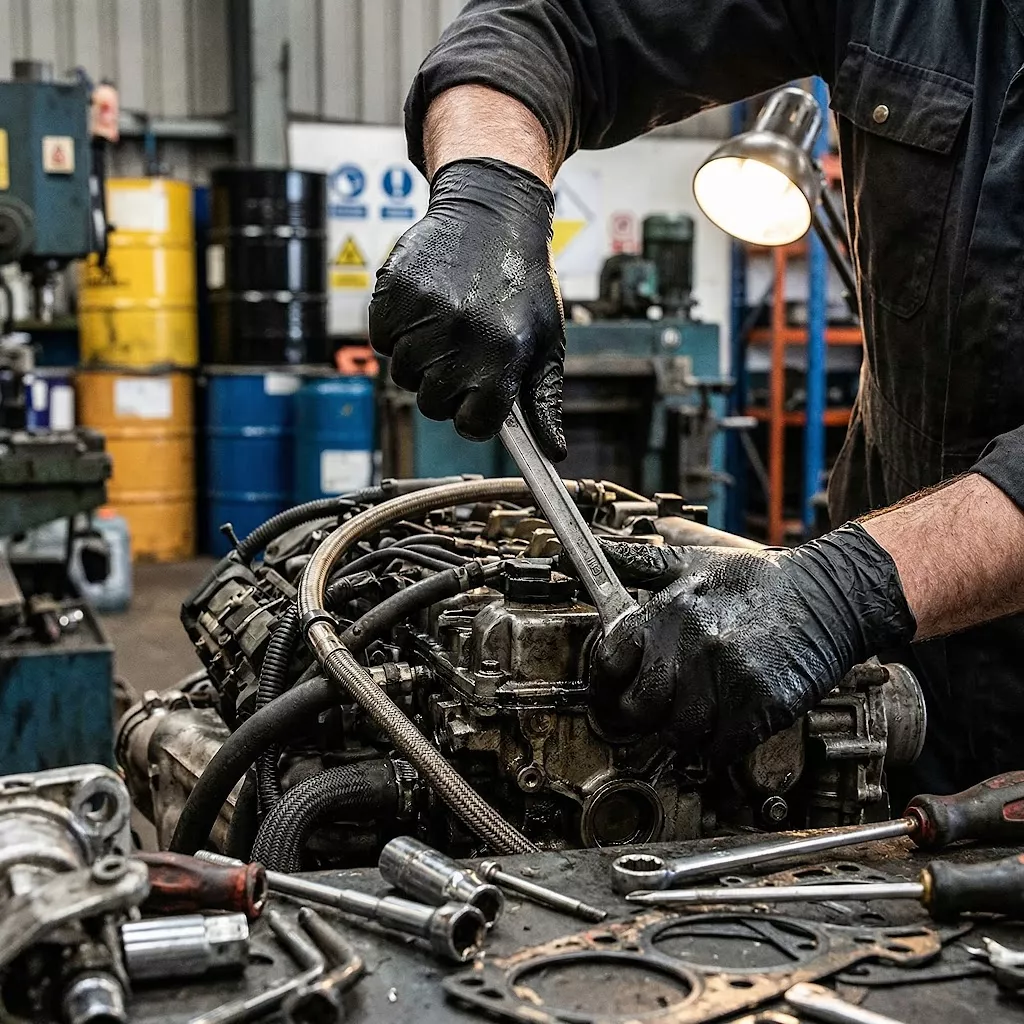

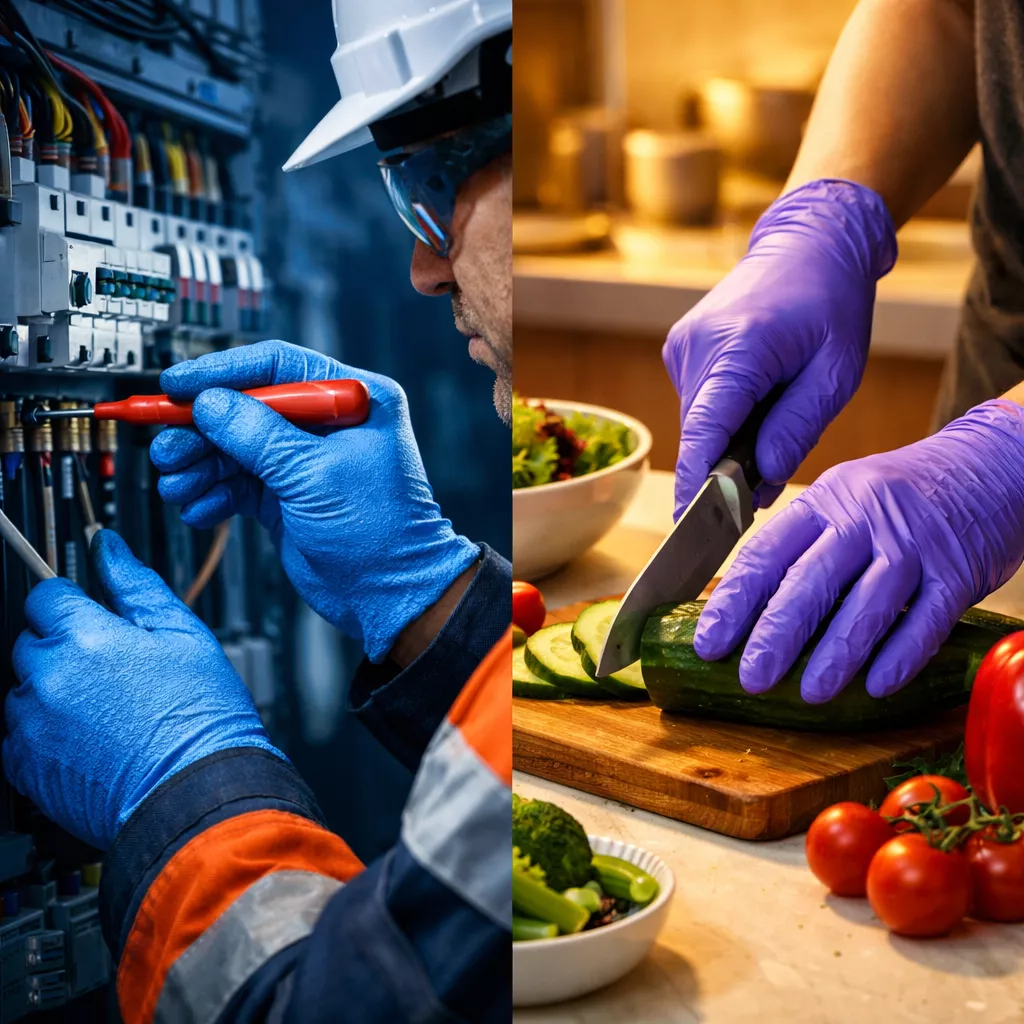

A single puncture in a chemical glove can expose skin to corrosive acids in under three seconds—yet nitrile gloves offer a critical advantage that latex and vinyl can’t match: visible tear detection. When nitrile rips, the damage is immediately obvious, giving lab workers and mechanics a split-second warning before disaster strikes. This transparency, combined with […]

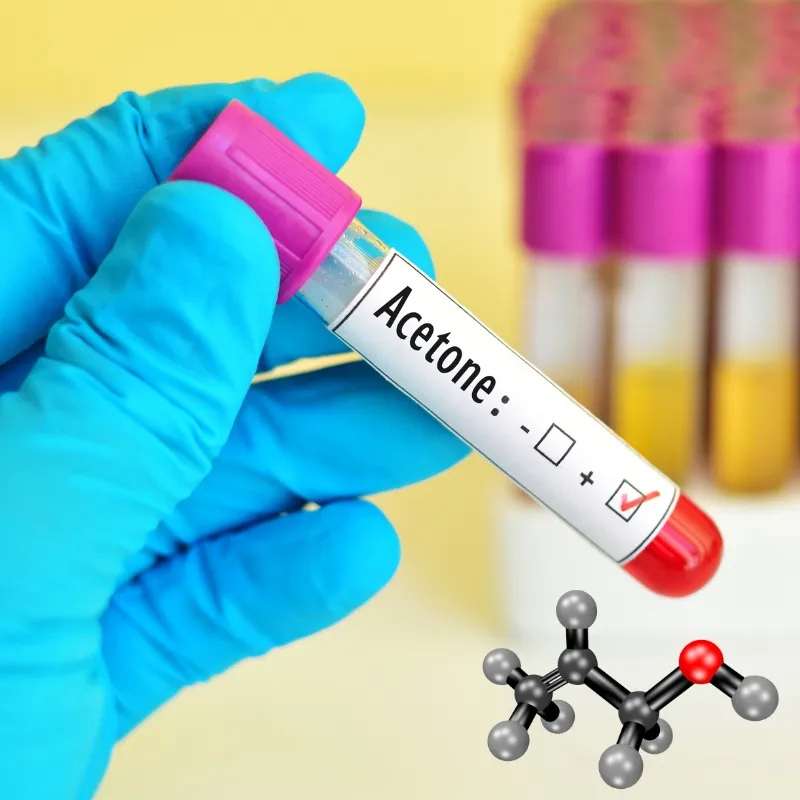
Scientists studying microplastics pollution just discovered they’ve been accidentally measuring their own gloves. A groundbreaking University of Michigan study published in March 2026 found that standard nitrile and latex lab gloves release thousands of stearate particles that perfectly mimic microplastics—potentially skewing years of environmental research data. This revelation has sent shockwaves through the scientific community, […]

Healthcare workers in India change gloves dozens of times per shift, exposing their hands to chemical accelerators that trigger allergic contact dermatitis in up to 10% of frequent users. In March 2026, Wadi Surgicals launched Enliva—India’s first accelerator-free nitrile gloves—eliminating the thiurams, carbamates, and MBTs that cause Type IV hypersensitivity reactions. This breakthrough brings world-class […]
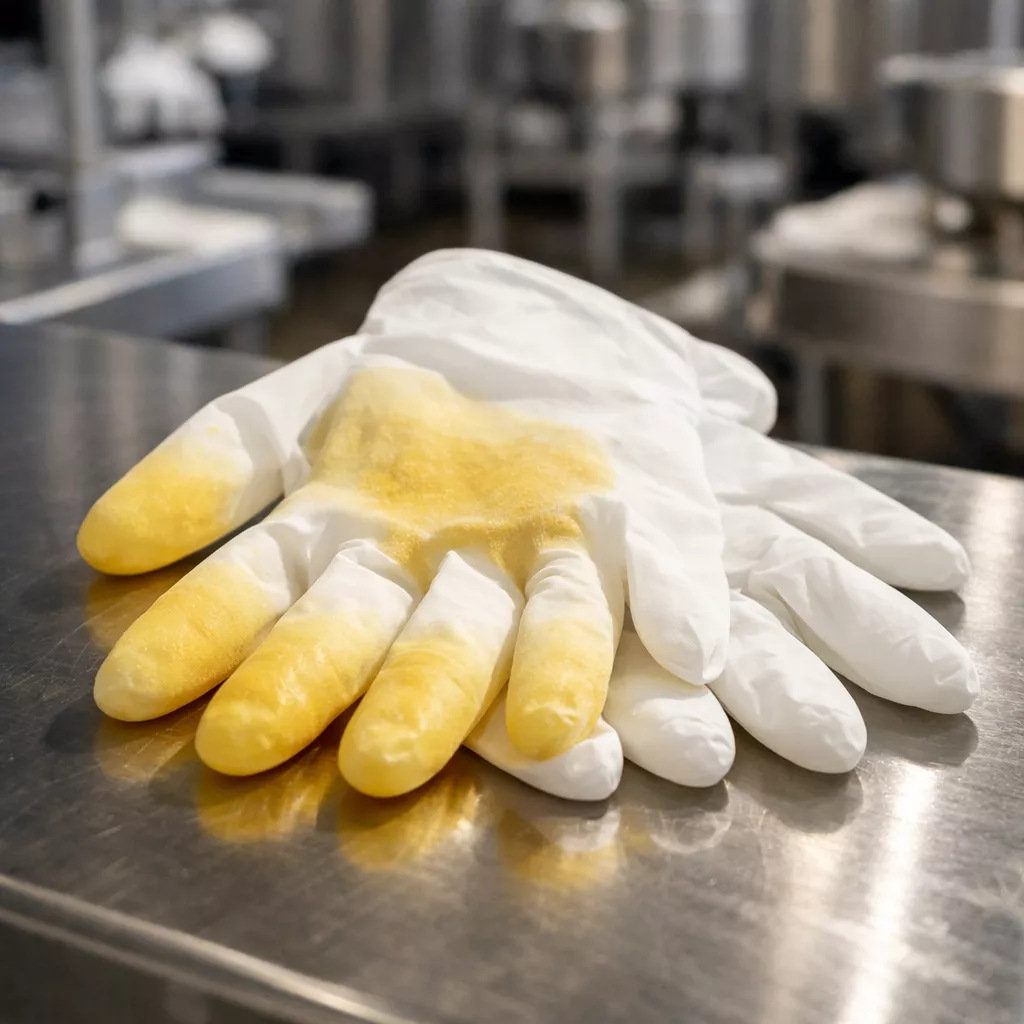
Last updated: April 27, 2026 Quick Answer White nitrile gloves turn yellow primarily due to oxidation, a chemical reaction where oxygen interacts with the acrylonitrile butadiene polymer in the glove material. Environmental factors like heat, light, humidity, and contact with certain chemicals or body oils accelerate this discoloration. While yellowing is mostly cosmetic, it can […]
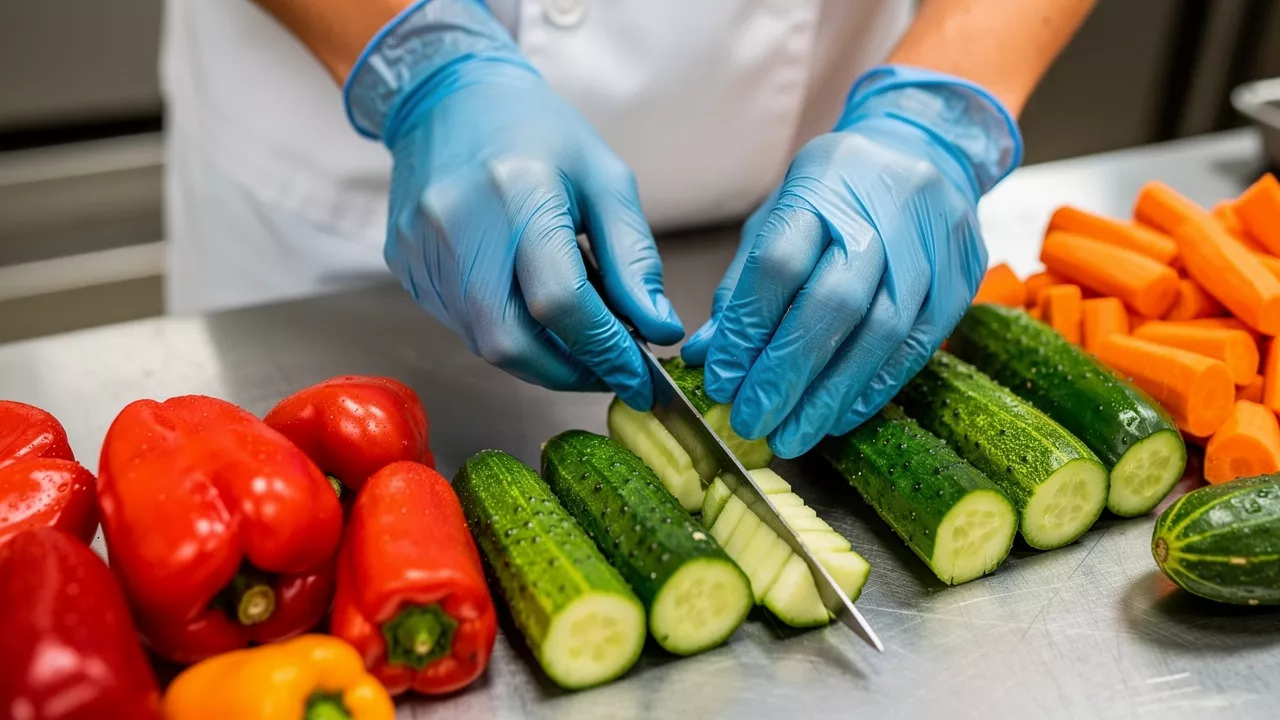
Quick Answer Yes, medical-grade nitrile exam gloves are approved for food service use, provided they meet FDA compliance standards or equivalent food safety certifications like EN 1186. Most medical-grade nitrile gloves manufactured today carry dual certification for both medical and food handling applications, making them safe for restaurant kitchens, home meal prep, and commercial food […]
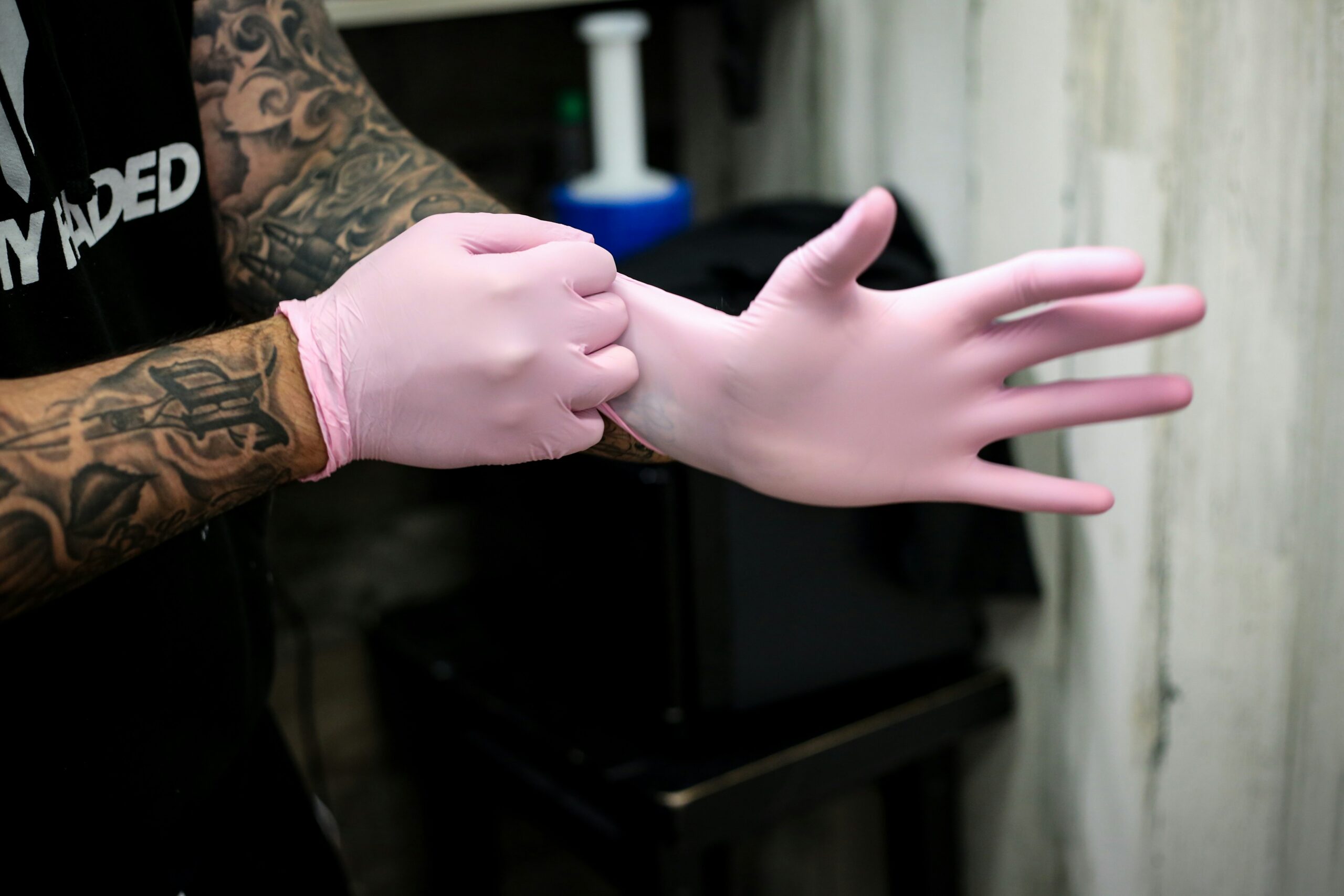
The intersection of medical-grade personal protective equipment and food handling protocols frequently generates questions regarding the suitability of certain items for dual applications. Among these, the query concerning the appropriateness of medical-grade nitrile examination gloves for food service use is common. This article delves into the regulatory landscape, material characteristics, and practical considerations that govern […]