Nitrile Gloves Information



Many industries rely on nitrile gloves for their excellent chemical resistance and durability. However, exposure to temperatures below 0°C can significantly impact their performance. In freezing conditions, nitrile gloves become stiff, lose flexibility, and offer less grip.

When it comes to nitrile gloves, their strength and durability are largely thanks to a process called vulcanization, where sulfur plays a pivotal role. This chemical interaction forms cross-links between polymer chains, enhancing the gloves' mechanical properties.

Choosing the right thickness for nitrile gloves is crucial and should be tailored to the specific needs of the task at hand. Factors such as comfort, puncture resistance, and chemical resistance should also be carefully considered when selecting glove thickness.

Nitrile gloves are often seen as a safer alternative to latex gloves, particularly suitable for those with latex allergies. However, it's crucial to be aware that allergic reactions to nitrile gloves can still occur. This blog delves into the potential risks of using nitrile gloves.

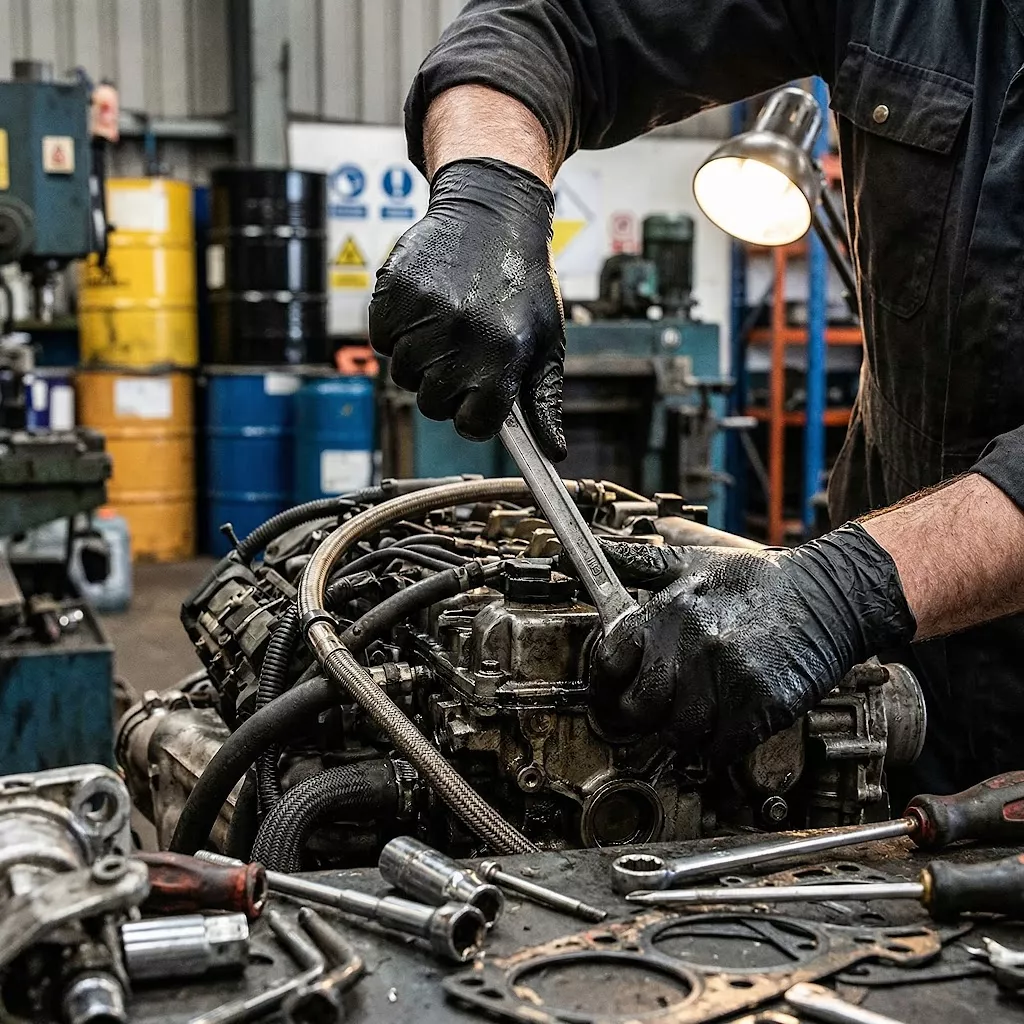
Discover the importance of wearing gloves for oil changes and find out why nitrile gloves are the superior choice. Learn about the dangers of automotive chemicals and explore the benefits of latex gloves and mechanic gloves. Ensure your safety and efficiency with the right gloves.

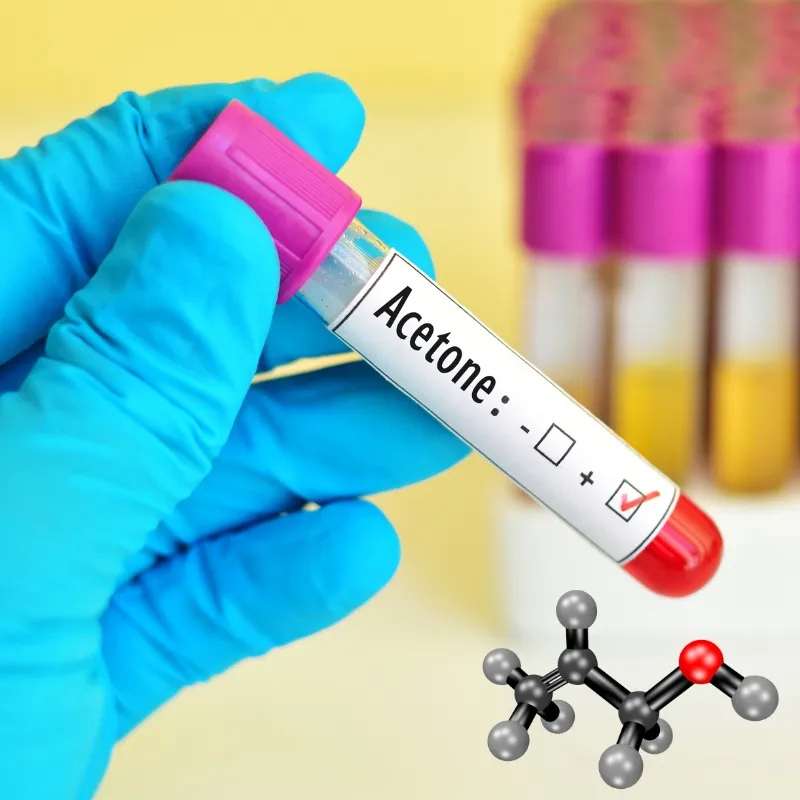
Discover why wearing gloves is essential in laboratory environments. Learn about the different types of gloves, their benefits, and tips for choosing the right gloves for your lab work.