Nitrile Gloves Information




Industrial environments prioritize safety using disposable gloves, but not all gloves offer the same level of protection. This blog post explores factors to consider when determining if disposable gloves are safe for industrial use, from material durability to safety standards compliance, ensuring workers are protected in hazardous settings.

While often overlooked, isocyanates are essential chemicals used in various industries for a range of applications. These reactive compounds are crucial in the production of foams, fibers, coatings, and elastomers.

Disposable nitrile gloves come in a variety of colors that serve specific purposes in different industries, such as healthcare's blue and tattoo parlors' black. These colors help identify materials, prevent contamination, and ensure safety. Explore the rainbow of nitrile gloves with us to learn about the practical benefits of each shade.

Nitrile gloves may not fully protect against ketones, strong acids, alcohols, and other specific chemicals. Understanding their limitations is crucial for proper protection in different work environments.

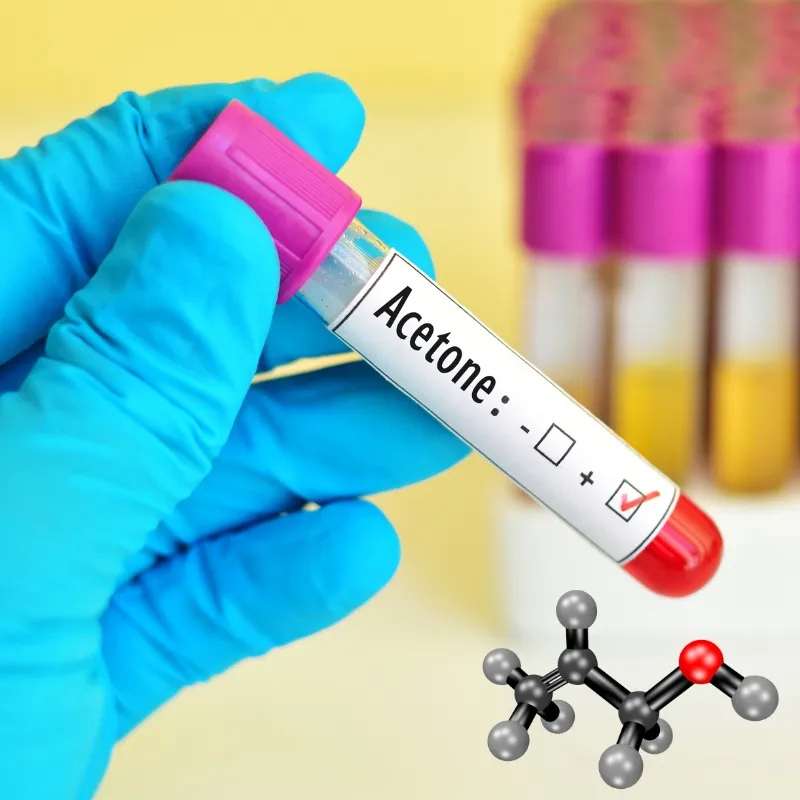
Understanding how acetone permeates through nitrile gloves is crucial for anyone working in environments where chemical exposure is a concern.

The study also analyzes how various coatings affect the abrasion resistance of nitrile gloves. It discusses the possibility of chemical penetration through these gloves, offering important insights into their performance in different settings. Nitrile gloves are seen as the top choice for strong protection in laboratories or lasting durability in manufacturing settings.