Tag: glove durability
Dive into our readers' top picks spanning diverse topics, from enlightening how-to guides and insightful personal stories to in-depth analyses and creative inspirations.
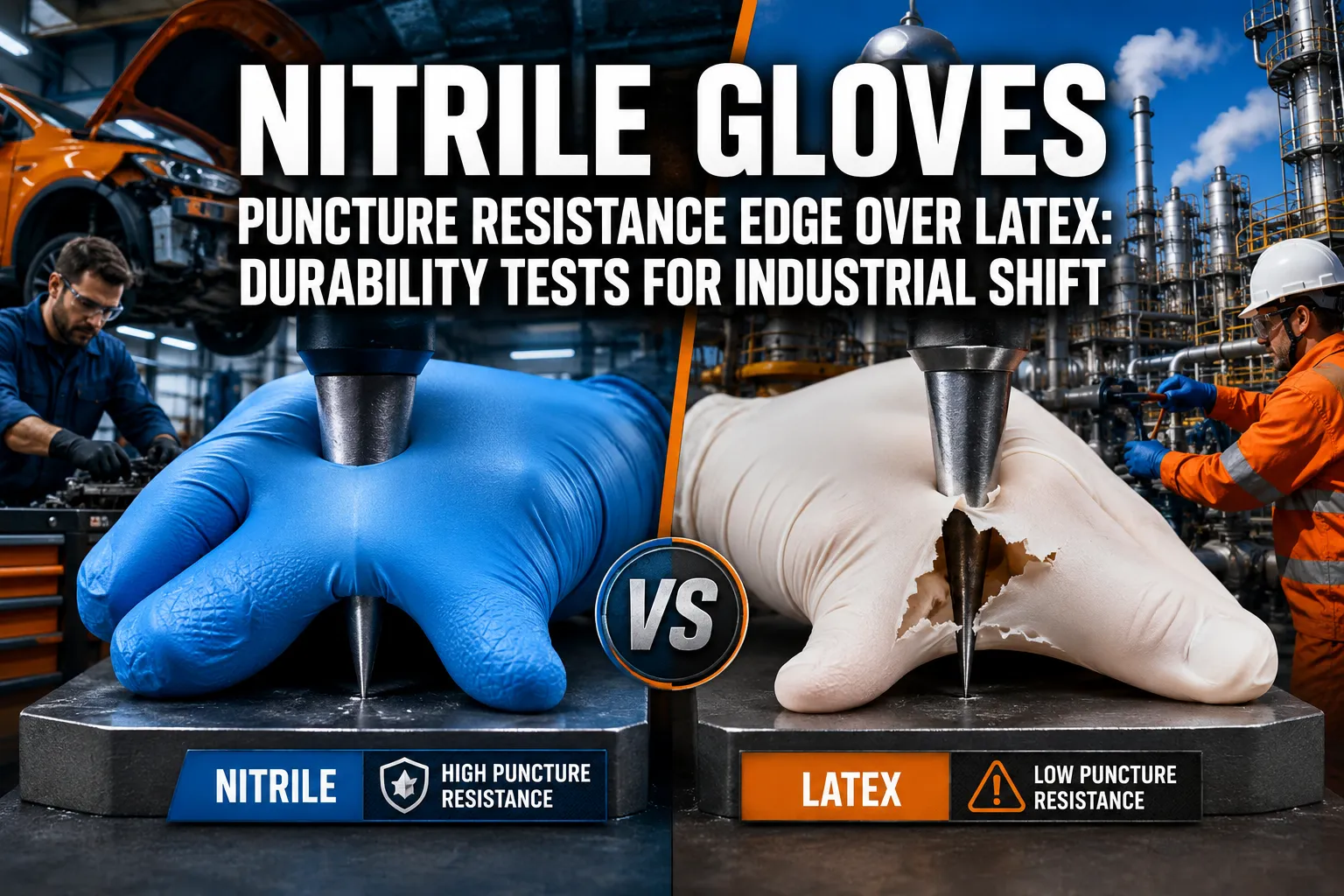
Last updated: July 3, 2026 Quick Answer Nitrile gloves demonstrate superior puncture resistance compared to latex gloves, with standardized testing showing nitrile withstands 2-3 times more force before failure. This durability advantage, combined with chemical resistance and longer wear times during industrial shifts, has driven widespread adoption across automotive, chemical processing, and food handling sectors […]
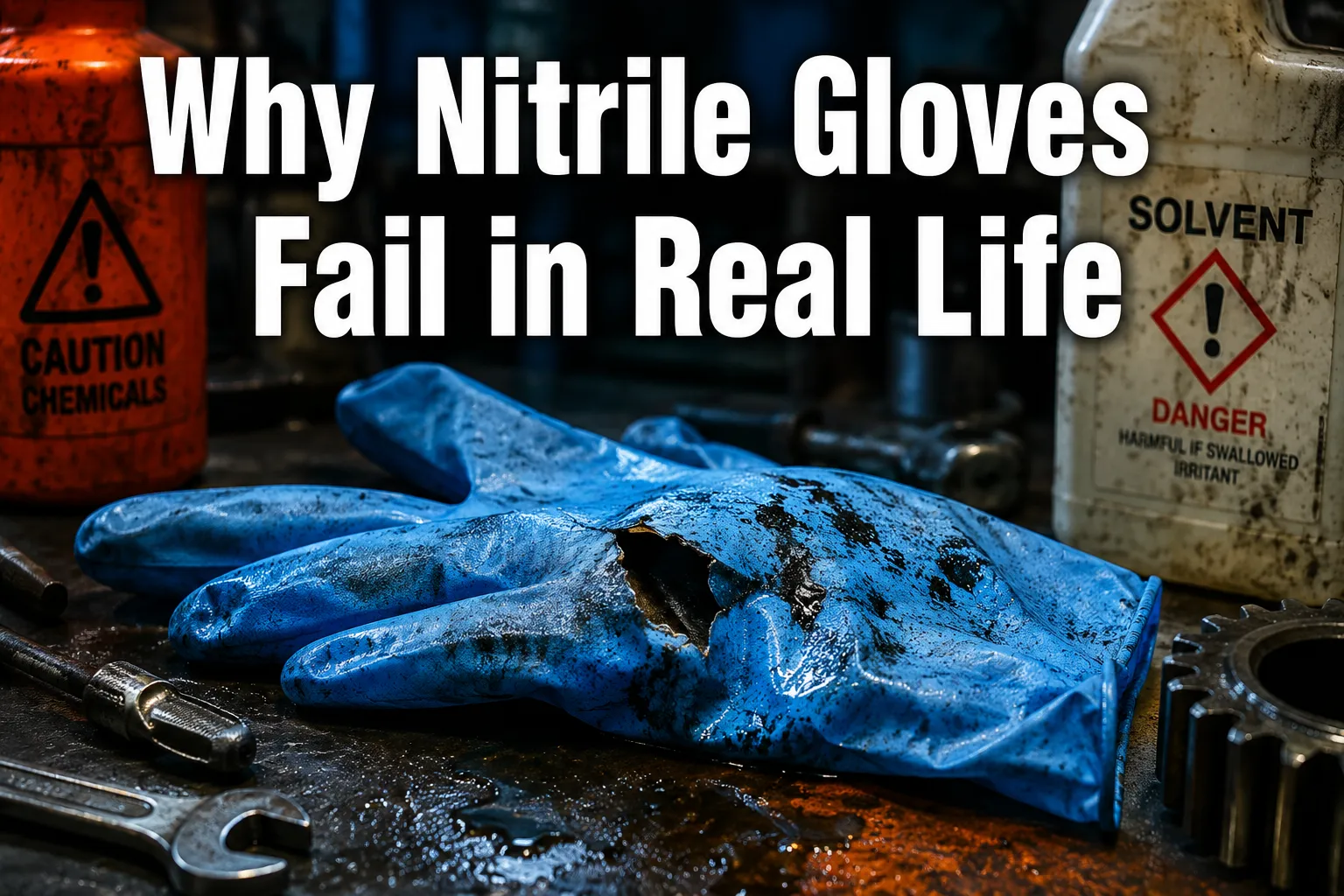
Last updated: June 28, 2026 Quick Answer Nitrile gloves fail in real-world applications primarily due to mechanical stress from improper sizing, chemical exposure that degrades the polymer structure, and environmental factors like heat and aging that compromise material integrity. Most failures occur not because nitrile is inadequate, but because users select the wrong thickness, store […]

Last updated: June 27, 2026 Quick Answer Thick durable nitrile gloves rated at 15 mil or higher provide superior chemical resistance and puncture protection for oil and gas workers, with proper cleaning protocols enabling multiple reuses that reduce costs by 40-60% compared to single-use alternatives. These heavy-duty gloves resist crude oil, diesel, hydraulic fluids, and […]

Quick Answer Nitrile gloves outperform latex in puncture resistance, chemical protection, and allergy safety, making them the preferred choice for most medical, industrial, and food handling applications. Latex gloves offer superior tactile sensitivity and elasticity for precision work but carry significant allergy risks affecting up to 17% of healthcare workers. Choose nitrile for durability and […]