Nitrile Glove Articles
Dive into our readers' top picks spanning diverse topics, from enlightening how-to guides and insightful personal stories to in-depth analyses and creative inspirations.
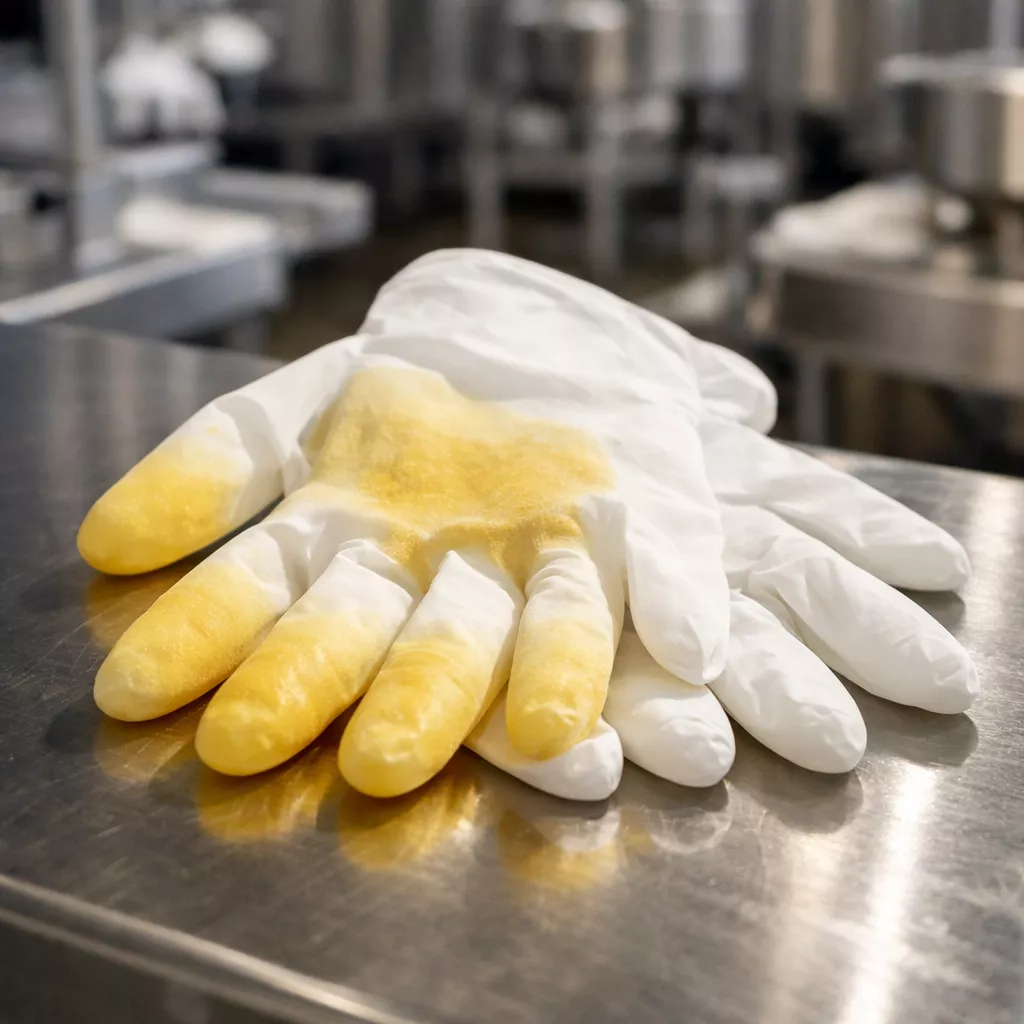
Last updated: April 27, 2026 Quick Answer White nitrile gloves turn yellow primarily due to oxidation, a chemical reaction where oxygen interacts with the acrylonitrile butadiene polymer in the glove material. Environmental factors like heat, light, humidity, and contact with certain chemicals or body oils accelerate this discoloration. While yellowing is mostly cosmetic, it can […]

Quick Answer Yes, medical-grade nitrile exam gloves are approved for food service use, provided they meet FDA compliance standards or equivalent food safety certifications like EN 1186. Most medical-grade nitrile gloves manufactured today carry dual certification for both medical and food handling applications, making them safe for restaurant kitchens, home meal prep, and commercial food […]

The intersection of medical-grade personal protective equipment and food handling protocols frequently generates questions regarding the suitability of certain items for dual applications. Among these, the query concerning the appropriateness of medical-grade nitrile examination gloves for food service use is common. This article delves into the regulatory landscape, material characteristics, and practical considerations that govern […]

Proper glove fit is a critical element in various professional domains, extending significant implications across safety, performance, and overall operational efficiency. The selection of gloves, often perceived simply as a protective layer, requires meticulous attention to sizing to achieve its intended benefits. An ill-fitting glove, whether too loose or too tight, can undermine its protective […]

Last updated: April 16, 2026 Quick Answer Disposable nitrile gloves in automotive settings must meet specific ASTM standards (D6978, F739, D6319) for chemical permeation resistance against brake fluid, solvents, and oils. Glove thickness between 6-8 mils provides optimal protection against chemical degradation and mechanical stress, while advanced testing methods like electrical conductivity testing can detect […]

Introduction Ask ten different people how long a box of gloves lasts, and the answers will be all over the place. Some think they last forever. Others quietly keep using old stock because it “still looks fine.” The truth is simple and non‑negotiable. Yes, nitrile gloves expire, and once they do, protection is no longer […]

The selection of appropriate hand protection is a critical consideration across a multitude of industries, impacting worker safety, product integrity, and operational efficiency. Among the most prevalent choices, nitrile and latex gloves represent distinct categories with unique advantages and disadvantages. Understanding these differences is paramount for informed decision-making, particularly given the ongoing evolution of material […]
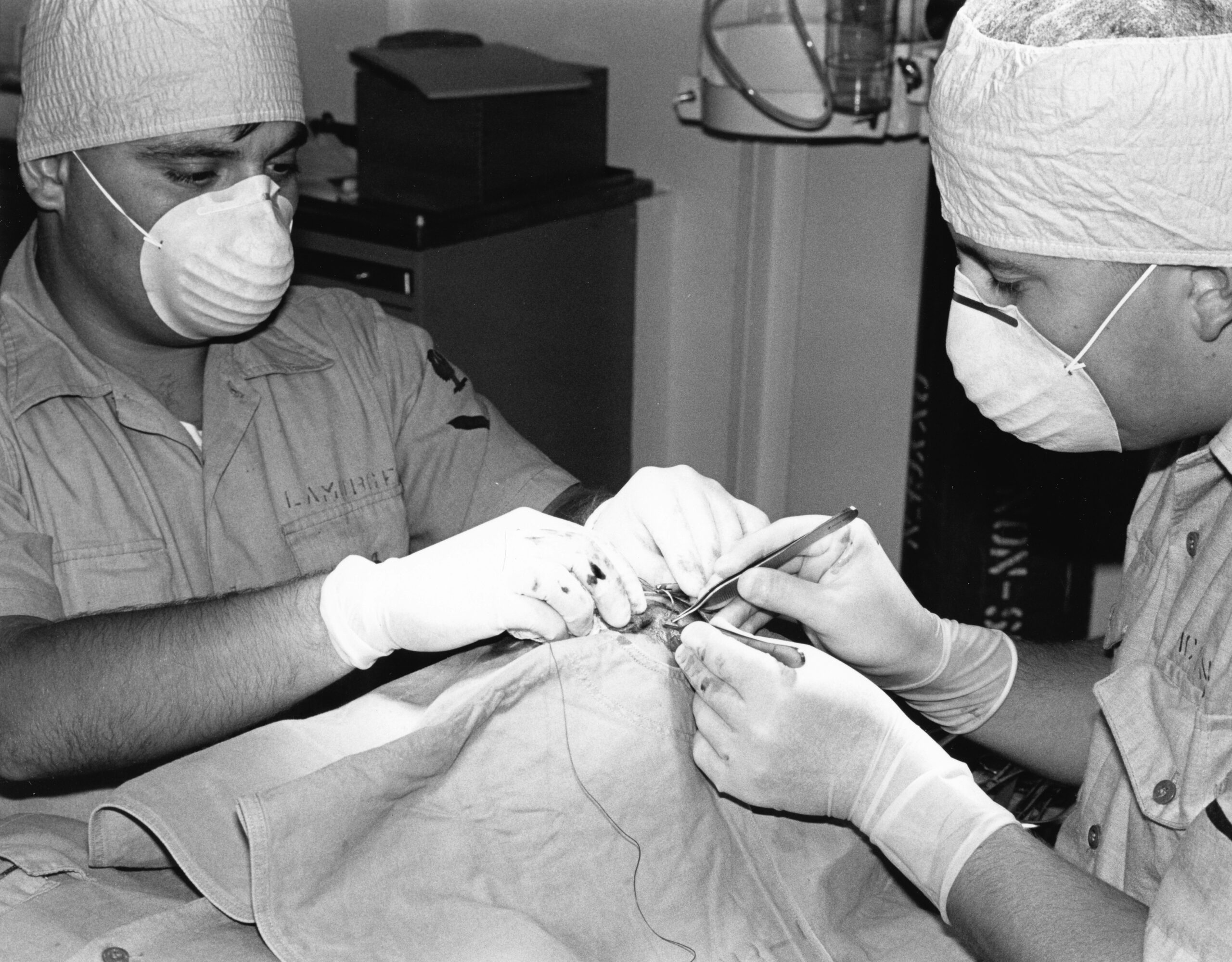
The landscape of personal protective equipment (PPE) in healthcare has undergone substantial evolution, with nitrile gloves emerging as a cornerstone of infection control and patient safety. This article examines the various facets of nitrile glove utility within the medical domain, detailing their advantages, the necessity for proper usage, and the ongoing trajectory of their development […]

The automotive industry presents a spectrum of hazards requiring robust personal protective equipment (PPE). Among these, hand protection is paramount, given the frequent exposure to chemicals, sharp objects, and abrasive surfaces. Nitrile gloves have emerged as a foundational element of safety protocols in this sector, displacing traditional alternatives due to a combination of material properties […]