Articles
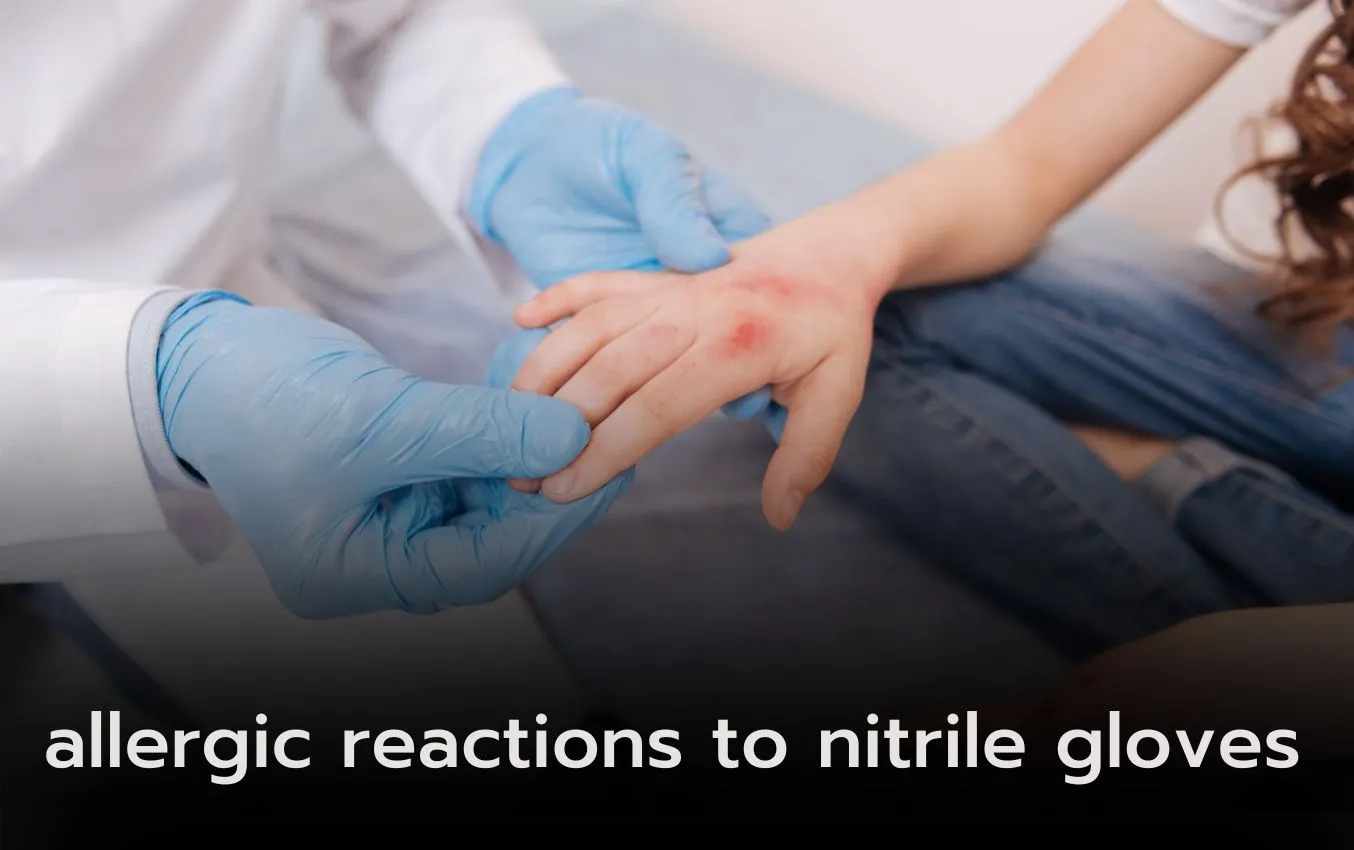
Nitrile gloves are essential in many industries for protection. Despite their durability, they may cause allergies. This article explores the prevalence, types of reactions, and risk factors of nitrile glove allergies to help individuals choose suitable gloves wisely and reduce risks.

Autoclaved nitrile gloves are viable for aseptic procedures despite some material degradation, making them cost-effective for surgeries. Further exploration of considerations and limitations is needed for optimal performance.

Nitrile rubber, also known as NBR, is a synthetic rubber highly resistant to oil, fuel, and chemicals. It is derived from acrylonitrile and butadiene, making it suitable for various industries such as automotive, aeronautical, medical, and nuclear

Understanding safety considerations for using disposable gloves in food handling is crucial. Not all gloves are the same, so material, contamination risk, rules, and best practices should be considered to ensure they are safe for handling food.

Curious about nitrile gloves' resistance to coconut oil, given that coconut oil can damage latex gloves? It's important to know how nitrile gloves perform when dealing with oils. This article delves into nitrile gloves, covering their oil resistance, makeup, advantages, drawbacks, and practical examples. You'll gain insights to confidently choose nitrile gloves for situations requiring oil resistance.

Nitrile gloves are often thought to be hypoallergenic, but they can still cause allergic reactions for some people. Certain chemicals in these gloves, like accelerators and additives, may lead to contact dermatitis or urticaria in sensitive users.

Nitrile gloves are the top choice for beauty and personal care professionals, offering protection against chemicals and pathogens. Hypoallergenic and durable, they ensure precision and safety during procedures. These gloves are convenient for hygiene practices, as they can be easily disposed of after use, helping to maintain cleanliness and prevent cross-contamination at work.
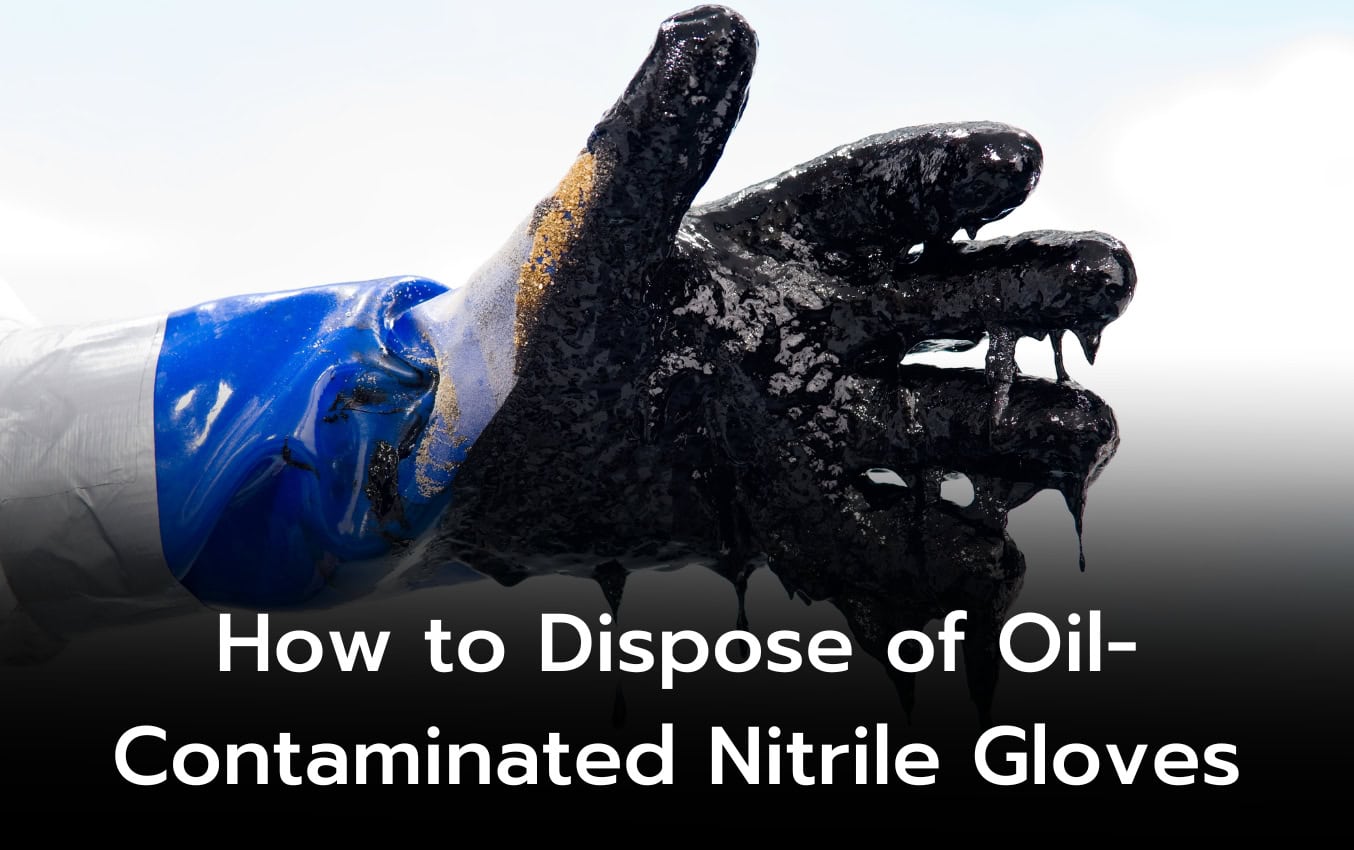
Proper disposal of oil-contaminated nitrile gloves is essential to prevent environmental harm. Follow correct procedures to protect wildlife and maintain a safe workspace.
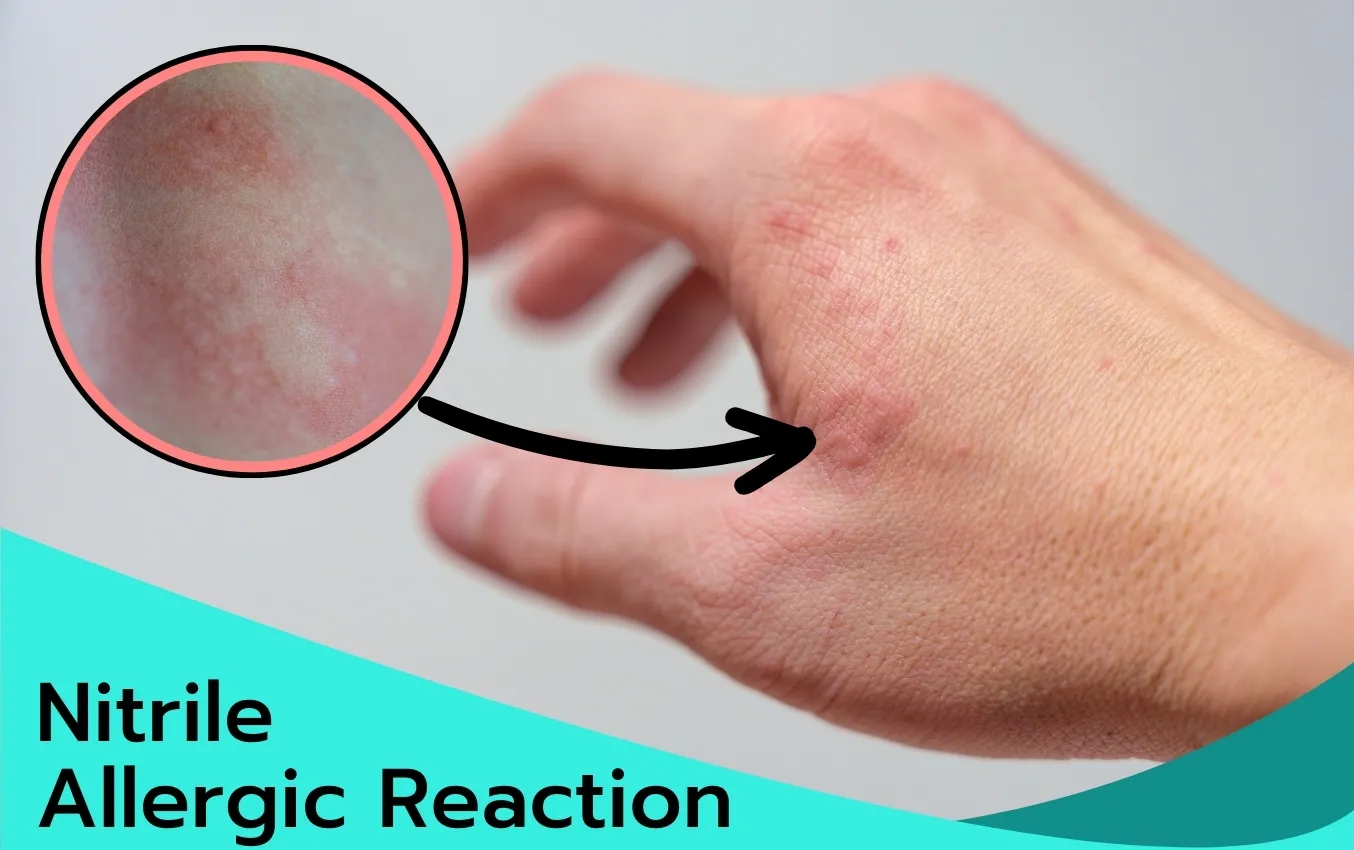
Nitrile compounds are found in common items such as gloves and medications. Exposure to these compounds can result in allergic reactions, with symptoms varying from skin irritation to respiratory problems. This guide covers types, mechanisms, symptoms, diagnosis, management, and prevention of nitrile allergies to offer a detailed insight into this significant health issue.