@dmin-nitrileGloves

Healthcare facilities across Europe are quietly revolutionizing their waste management strategies—not through expensive infrastructure upgrades, but by switching to gloves that disappear. While traditional nitrile gloves can persist in landfills for over a century, BioGreen and BioTouch Nitrile Lines: Real-World Performance Reviews and Hospital Adoption Cases reveal that biodegradable alternatives achieve up to 91% degradation […]
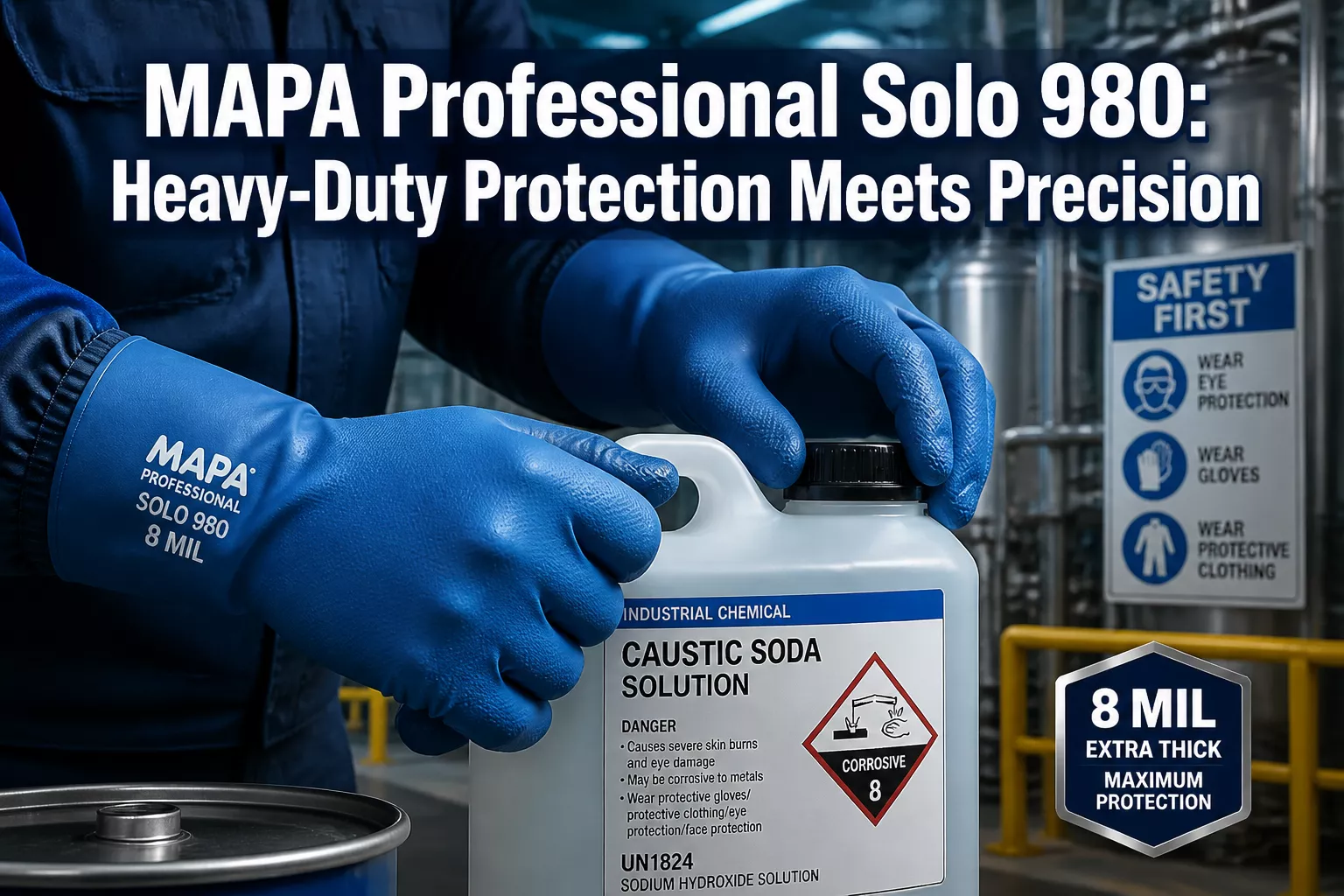
When MAPA Professional unveiled the Solo 980 in December 2024, they addressed a critical gap in the disposable glove market: workers needed 8 mil protection without sacrificing tactile sensitivity. This thick nitrile glove delivers mechanical strength for heavy-duty tasks while maintaining the finger dexterity required for precision work—a combination that’s transforming how industries approach hand […]

Africa’s glove market exploded by 49.8% between 2021 and 2025, transforming from a $516 million sector into a $774 million opportunity—yet this represents merely 2.62% of global market share. While Asia dominates headlines, Nitrile Gloves in Emerging Economies: Africa and Latin America Growth Opportunities and Sourcing Guide reveals untapped potential in regions where healthcare expansion […]
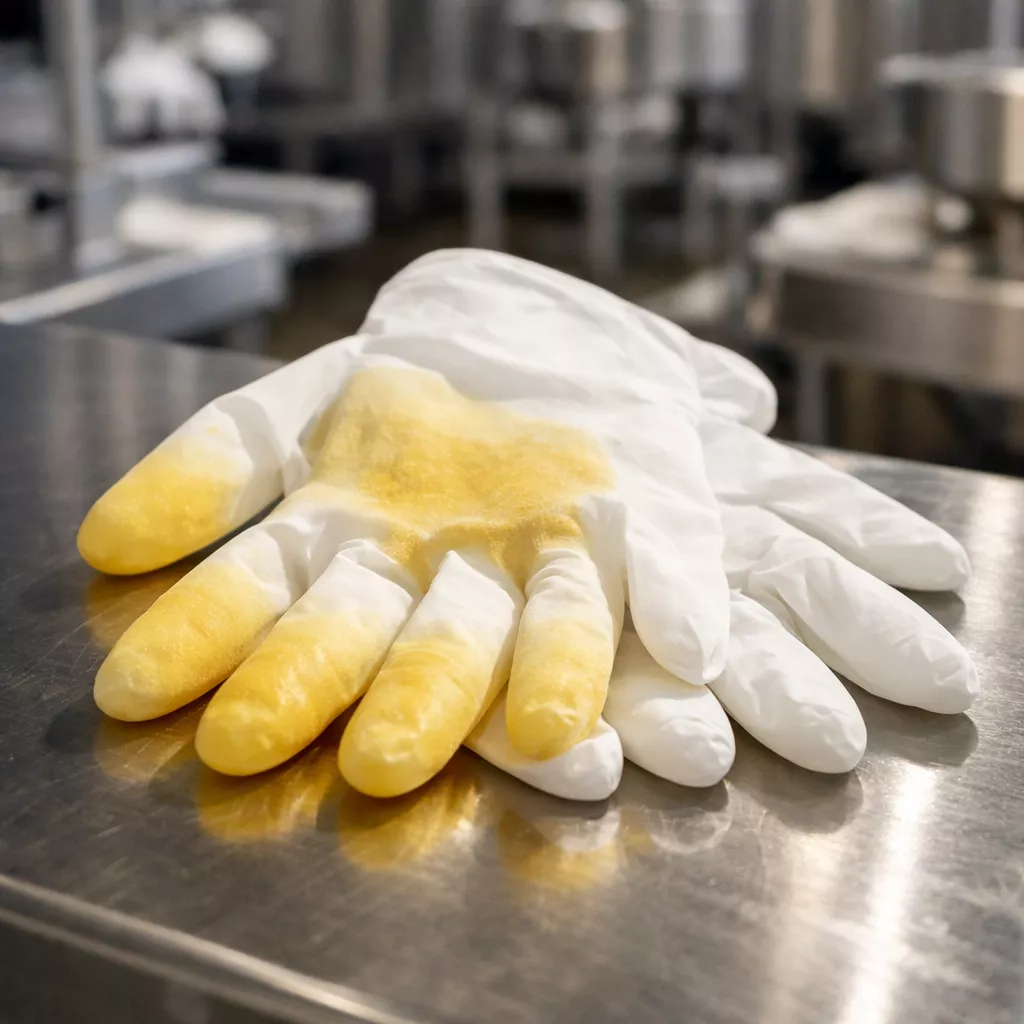
Last updated: April 27, 2026 Quick Answer White nitrile gloves turn yellow primarily due to oxidation, a chemical reaction where oxygen interacts with the acrylonitrile butadiene polymer in the glove material. Environmental factors like heat, light, humidity, and contact with certain chemicals or body oils accelerate this discoloration. While yellowing is mostly cosmetic, it can […]
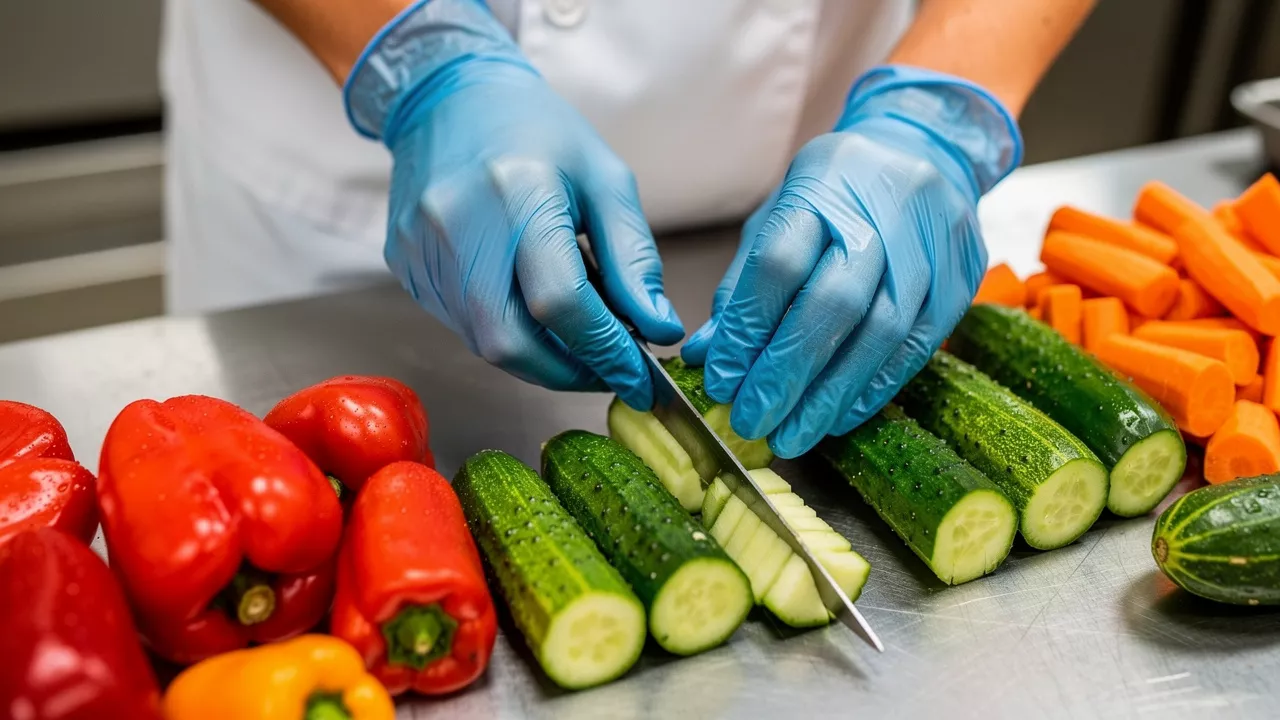
Quick Answer Yes, medical-grade nitrile exam gloves are approved for food service use, provided they meet FDA compliance standards or equivalent food safety certifications like EN 1186. Most medical-grade nitrile gloves manufactured today carry dual certification for both medical and food handling applications, making them safe for restaurant kitchens, home meal prep, and commercial food […]

The intersection of medical-grade personal protective equipment and food handling protocols frequently generates questions regarding the suitability of certain items for dual applications. Among these, the query concerning the appropriateness of medical-grade nitrile examination gloves for food service use is common. This article delves into the regulatory landscape, material characteristics, and practical considerations that govern […]

Proper glove fit is a critical element in various professional domains, extending significant implications across safety, performance, and overall operational efficiency. The selection of gloves, often perceived simply as a protective layer, requires meticulous attention to sizing to achieve its intended benefits. An ill-fitting glove, whether too loose or too tight, can undermine its protective […]

Last updated: April 16, 2026 Quick Answer Disposable nitrile gloves in automotive settings must meet specific ASTM standards (D6978, F739, D6319) for chemical permeation resistance against brake fluid, solvents, and oils. Glove thickness between 6-8 mils provides optimal protection against chemical degradation and mechanical stress, while advanced testing methods like electrical conductivity testing can detect […]
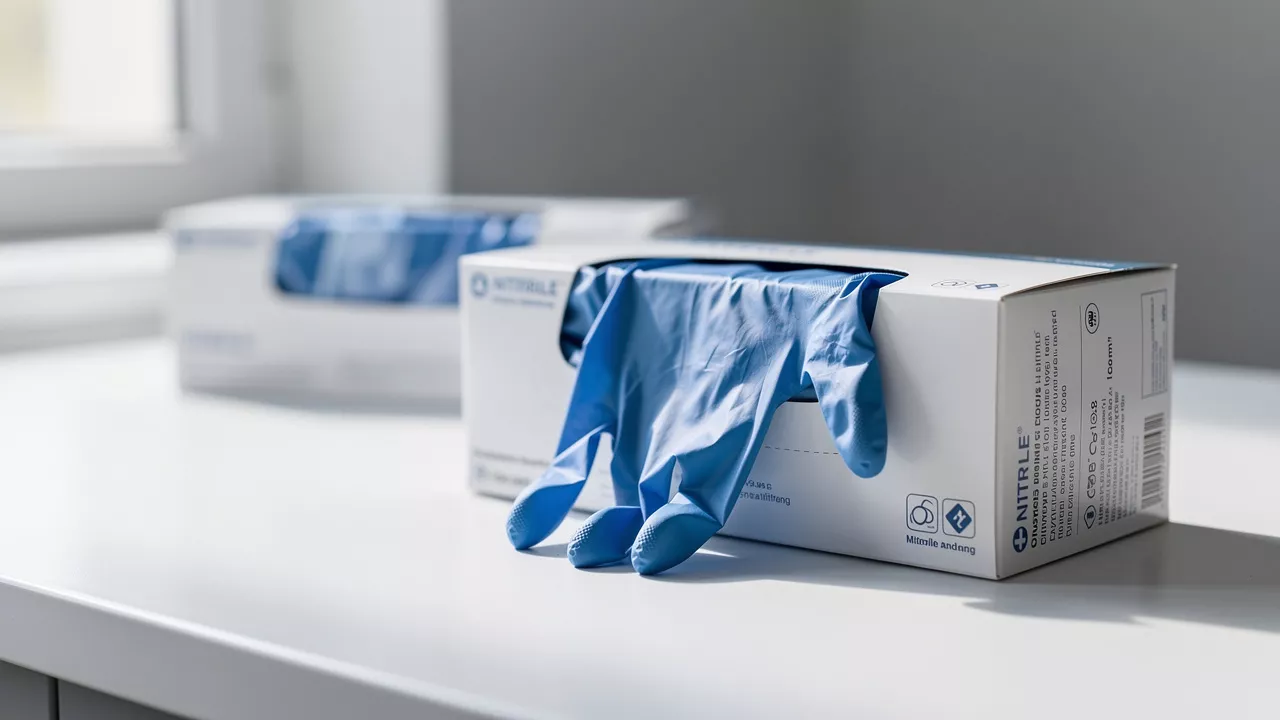
Introduction Ask ten different people how long a box of gloves lasts, and the answers will be all over the place. Some think they last forever. Others quietly keep using old stock because it “still looks fine.” The truth is simple and non‑negotiable. Yes, nitrile gloves expire, and once they do, protection is no longer […]