Last updated: April 27, 2026
Quick Answer
White nitrile gloves turn yellow primarily due to oxidation, a chemical reaction where oxygen interacts with the acrylonitrile butadiene polymer in the glove material. Environmental factors like heat, light, humidity, and contact with certain chemicals or body oils accelerate this discoloration. While yellowing is mostly cosmetic, it can indicate material degradation that may compromise protection in food processing environments.
Key Takeaways
- Oxidation is the main culprit: Oxygen reacts with double bonds in nitrile polymer, changing the molecular structure and causing yellow discoloration
- Heat and light speed up yellowing: High temperatures and UV exposure from sunlight dramatically accelerate the oxidation process
- Chemical exposure matters: Sulfur-containing compounds, chlorine, and prolonged oil contact trigger yellowing reactions
- Sweat and skin oils contribute: Extended wear allows natural hand oils and sweat acids to interact with nitrile material
- Storage conditions are critical: Proper storage in cool, dark, dry locations prevents premature yellowing
- Manufacturing quality varies: High oxazole content in raw materials or excessive vulcanization temperatures during production cause initial yellowing
- Yellowing affects appearance first: Discoloration is initially cosmetic but can signal material breakdown that reduces barrier protection
- Prevention is possible: Using darker-colored gloves, rotating stock, and controlling environmental factors minimize yellowing
What Causes White Nitrile Gloves to Turn Yellow?
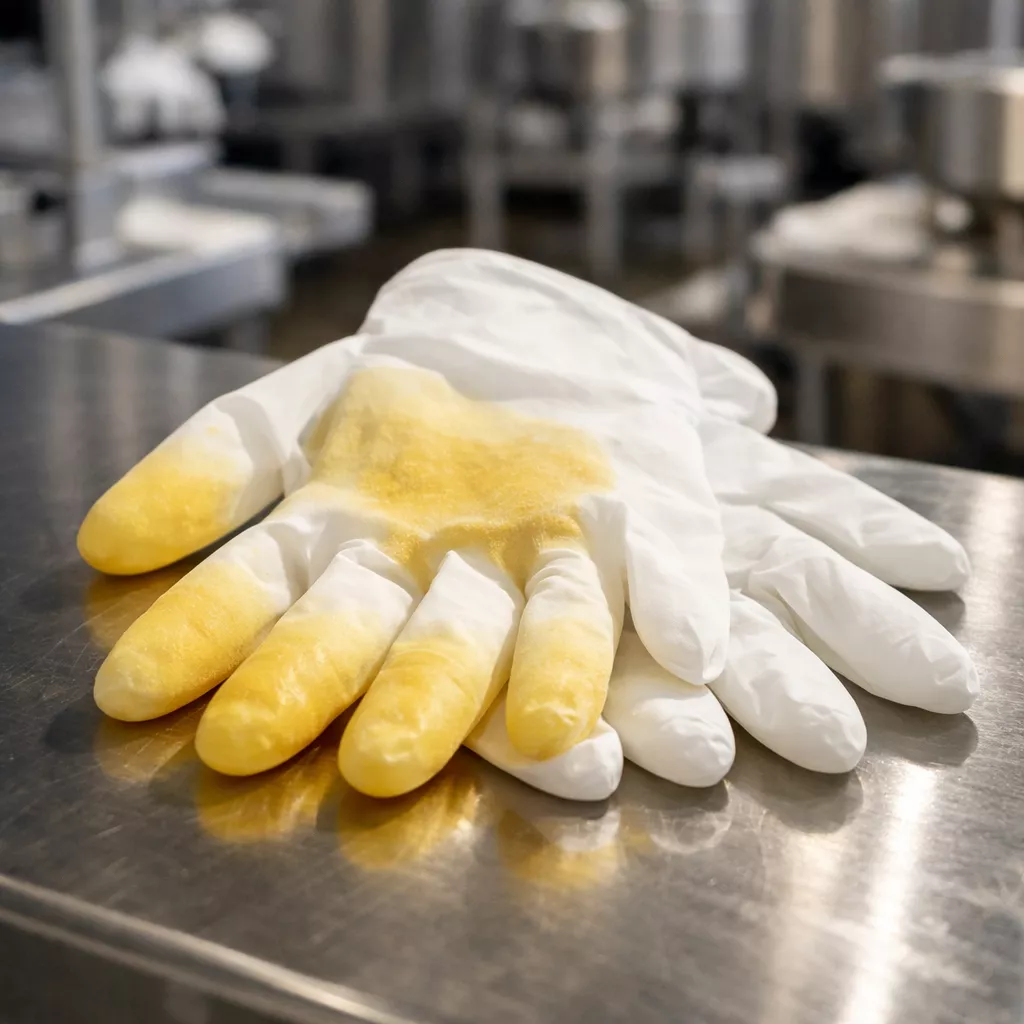
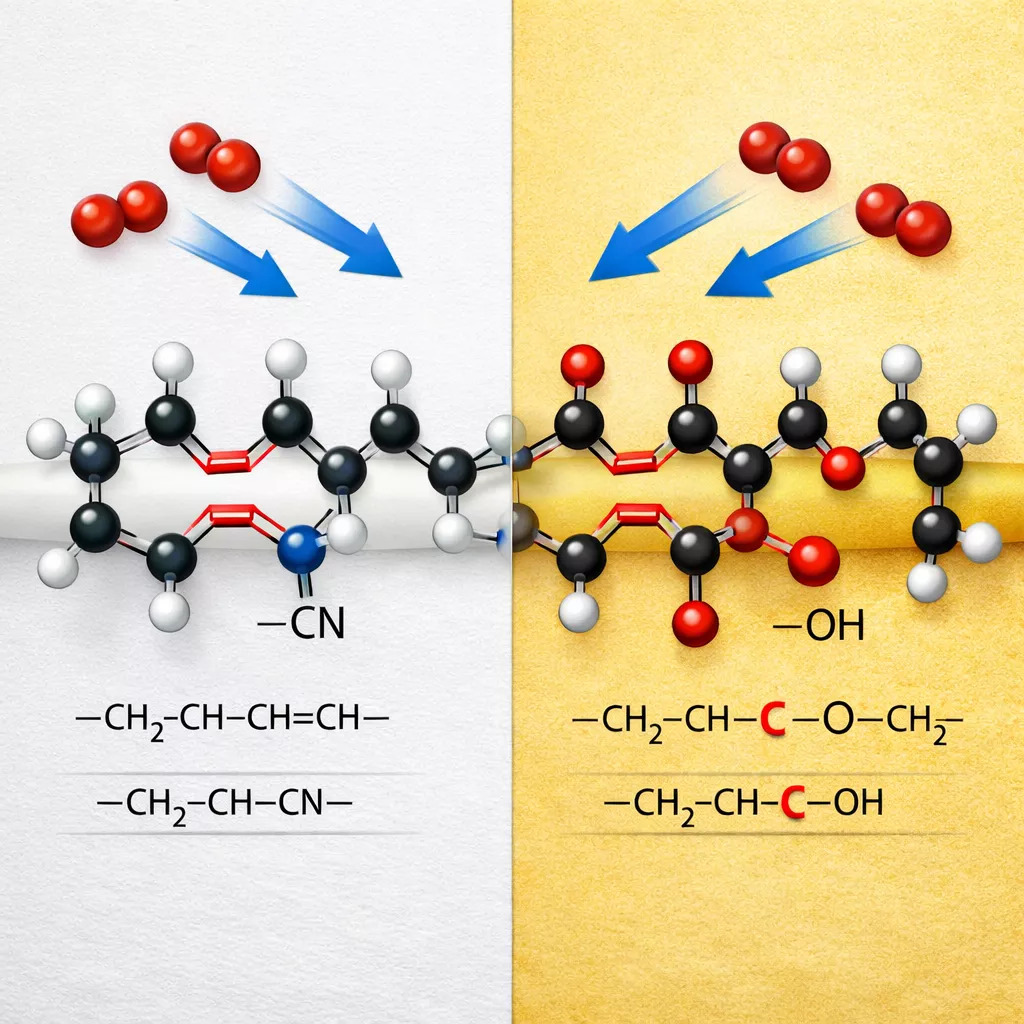
White nitrile gloves turn yellow because of oxidation, a chemical reaction between the acrylonitrile butadiene polymer and oxygen molecules in the air. This reaction alters the molecular structure of the nitrile material, specifically targeting the double bonds in the polymer chain, which results in visible discoloration.[1]
The oxidation process happens naturally over time but accelerates under certain conditions. When oxygen molecules interact with the polymer’s double bonds, they create new chemical compounds that absorb light differently, producing the characteristic yellow appearance. This is similar to how a cut apple turns brown when exposed to air.
Key factors that trigger oxidation:
- Molecular structure vulnerability: The double bonds in acrylonitrile butadiene are chemically reactive and susceptible to oxygen attack
- Continuous air exposure: Even minimal oxygen contact initiates the oxidation chain reaction
- Time-dependent degradation: Longer exposure periods allow more extensive oxidation throughout the material
- Polymer quality variations: Lower-grade nitrile formulations with higher oxazole content yellow faster[3]
Understanding what nitrile gloves are made of helps explain why this oxidation occurs. The synthetic rubber composition, while offering excellent chemical resistance and durability, contains reactive sites that make it vulnerable to environmental factors.
Common mistake: Many food factory workers assume yellowing means the gloves are contaminated or unsafe to use. While yellowing can indicate aging, it doesn’t automatically mean contamination. However, for food safety and professional appearance standards, yellowed gloves should be replaced.
How Do Environmental Factors Accelerate Yellowing in Nitrile Gloves?
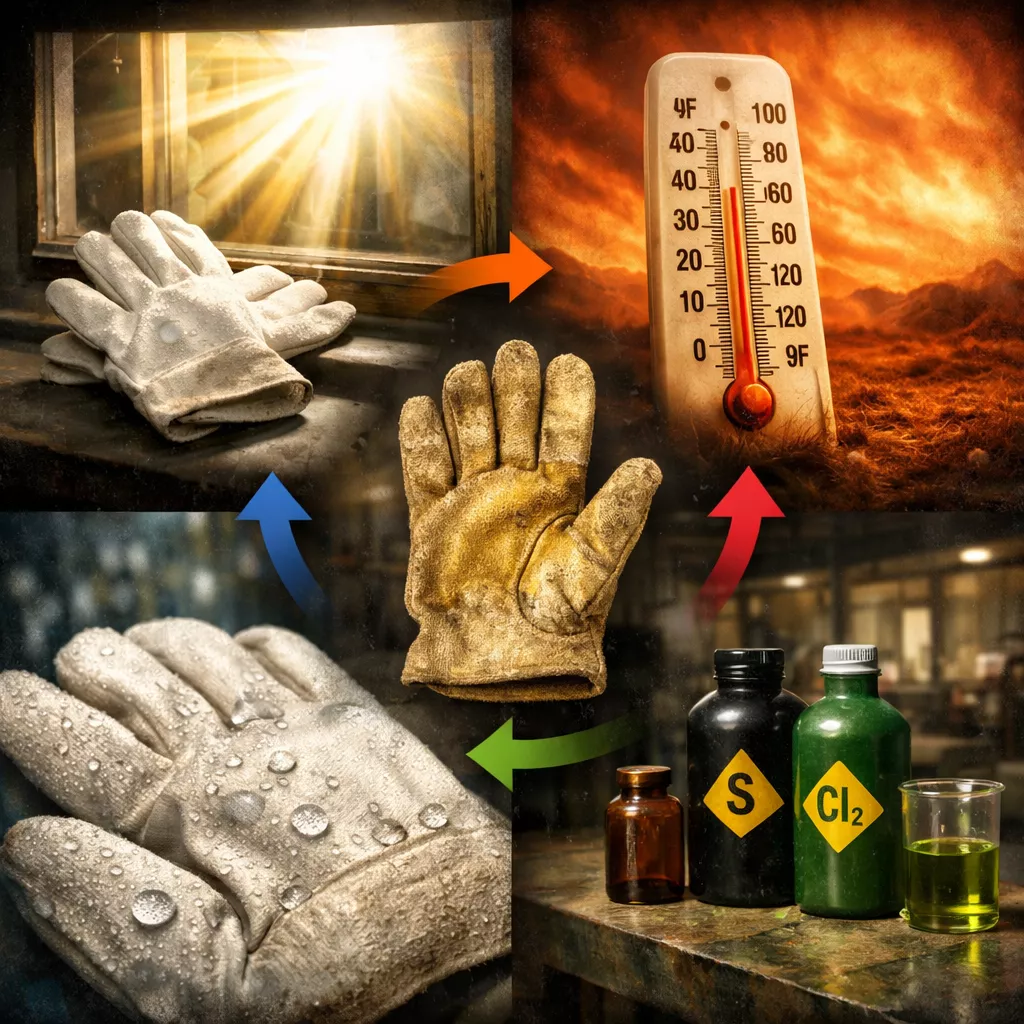
Environmental conditions dramatically speed up the yellowing process in white nitrile gloves, with heat, light, and humidity acting as primary accelerators. Exposure to temperatures above 75°F (24°C), direct sunlight, and moisture levels exceeding 60% relative humidity can reduce glove shelf life by 50% or more.[1][2]
Temperature effects:
High temperatures increase molecular activity, causing polymer chains to move faster and interact more frequently with oxygen. Food processing facilities with hot production areas or inadequate climate control create ideal conditions for rapid yellowing.
Light and UV exposure:
Ultraviolet radiation from sunlight or fluorescent lighting breaks down nitrile material at the molecular level, releasing chemicals that cause discoloration. Gloves stored near windows or under bright warehouse lights yellow significantly faster than those kept in dark storage.[4]
Humidity and moisture impact:
Moisture acts as a catalyst for oxidation reactions. In humid environments or when gloves become damp from condensation, water molecules facilitate oxygen penetration into the nitrile material, accelerating degradation.
| Environmental Factor | Impact Level | Yellowing Timeline |
|---|---|---|
| Direct sunlight | Severe | 2-4 weeks |
| High temperature (>85°F) | High | 1-2 months |
| High humidity (>70%) | Moderate | 2-3 months |
| Fluorescent lighting | Low-Moderate | 3-6 months |
| Cool, dark storage | Minimal | 12+ months |
Choose darker gloves if: Your facility has unavoidable heat exposure, limited climate control, or bright lighting. Black or blue nitrile gloves show less visible yellowing and may be more practical for food factory environments where appearance matters.
For food processing managers concerned about how long nitrile gloves last in their specific conditions, monitoring storage areas and implementing rotation systems based on environmental exposure helps maintain glove quality.
What Chemicals and Substances Cause Nitrile Gloves to Yellow?
Certain chemicals react directly with nitrile material, causing rapid yellowing that goes beyond normal oxidation. Sulfur-containing compounds, chlorine-based cleaners, and prolonged oil exposure are the most common culprits in food processing environments.[1]
Sulfur compounds:
Sulfur reacts aggressively with nitrile polymer, creating yellow sulfur-nitrile complexes. Food factories using sulfur dioxide as a preservative or working with sulfur-containing ingredients may notice faster glove yellowing.
Chlorine and bleach:
Chlorine-based sanitizers and cleaning agents commonly used in food facilities chemically attack nitrile material. Even diluted bleach solutions cause discoloration with repeated or prolonged contact.
Oils and greasy substances:
Extended contact with cooking oils, animal fats, or petroleum-based lubricants penetrates nitrile material, causing both yellowing and potential barrier breakdown. While nitrile gloves resist many oils, prolonged exposure still affects appearance and performance.
Common chemical triggers in food factories:
- Sulfur dioxide preservatives
- Chlorine sanitizing solutions
- Quaternary ammonium compounds (quats)
- Acidic cleaning agents
- Cooking oils and animal fats
- Citrus-based degreasers
- Hydrogen peroxide solutions
Edge case: Some food additives and spices contain compounds that stain gloves yellow without actually degrading the material. Turmeric, curry powder, and certain food colorings cause surface staining that looks like oxidation but doesn’t compromise protection. However, distinguishing between staining and actual degradation requires testing, so replacement remains the safest approach.
When selecting gloves for environments with heavy chemical exposure, consider what nitrile gloves protect against and match glove specifications to your specific chemical hazards.
How Do Sweat and Body Oils Contribute to Yellowing?
Extended wear causes sweat and natural hand oils to interact with nitrile material, particularly on palms and fingertips where contact is most intense. The acids in sweat and lipids from skin oils penetrate the glove surface, triggering localized yellowing that appears first in high-contact areas.[2][4]
Sweat composition effects:
Human sweat contains lactic acid, urea, and salts that create a mildly acidic environment. This acidity accelerates polymer degradation, especially when combined with heat from body temperature and friction from hand movement.
Skin oil interaction:
Natural sebum and oils from hands contain fatty acids that react with nitrile material over time. Workers with naturally oily skin or those who apply hand lotions before gloving notice faster yellowing.
Heat amplification:
Body heat trapped inside gloves raises the local temperature by 10-15°F, creating a microenvironment that speeds up all chemical reactions. This explains why yellowing appears most prominently on palms and fingers rather than the back of the hand.
Practical considerations for food factory workers:
- Yellowing from sweat typically appears after 2-4 hours of continuous wear
- Washing hands before gloving reduces oil transfer but doesn’t eliminate it
- Glove liners can minimize direct skin contact but may reduce dexterity
- Regular glove changes (every 2-3 hours) prevent excessive sweat accumulation
Common mistake: Some workers try to extend glove life by wiping yellowed areas with sanitizer or water. This doesn’t reverse oxidation and may introduce contamination. Once yellowing appears, replace the gloves.
For workers concerned about allergic reactions to nitrile gloves, note that yellowing itself doesn’t increase allergy risk, but degraded material may release more potential irritants.
Can Manufacturing Defects Cause Initial Yellowing in Nitrile Gloves?
Manufacturing quality directly impacts whether nitrile gloves yellow prematurely, even before use. High oxazole content in raw acrylonitrile, excessive vulcanization temperatures, and residual production chemicals can cause gloves to arrive already discolored or to yellow rapidly after opening.[3]
Raw material quality issues:
Acrylonitrile with oxazole content exceeding industry standards (typically above 0.5%) produces nitrile rubber that yellows during production or shortly after. This manufacturing defect indicates substandard raw materials and often correlates with reduced overall glove quality.
Vulcanization temperature problems:
The curing process that gives nitrile gloves their final properties requires precise temperature control. Excessive heat during vulcanization (above 120°C) causes local overheating and rubber oxidation, resulting in yellow patches or overall discoloration.[3]
Production chemical residues:
Trace amounts of sulfur-based accelerators, antioxidants, or other processing chemicals may remain in finished gloves. If not properly controlled, these residues react with the nitrile material during storage, causing yellowing before the gloves reach end users.
Quality indicators to check:
- Uniform color: Reputable manufacturers produce consistently white gloves without yellow patches
- Packaging integrity: Sealed, opaque packaging protects against premature oxidation
- Certification marks: FDA, ASTM, or EN standards indicate quality control processes
- Batch consistency: All gloves in a box should match in color and appearance
Choose high-quality gloves if: You notice yellowing immediately after opening new boxes, see color variations between gloves in the same package, or experience inconsistent performance. While premium gloves cost 15-30% more, they maintain appearance and protection longer.
When buying gloves for food processing, prioritize suppliers with documented quality control and avoid suspiciously cheap options that may use inferior materials.
How Can Food Factory Workers Prevent Nitrile Gloves from Yellowing?
Preventing yellowing requires controlling storage conditions, minimizing environmental exposure, and implementing proper handling procedures. While some oxidation is inevitable, strategic prevention extends glove shelf life by 3-6 months and maintains professional appearance.[1][2]
Optimal storage practices:
- Temperature control: Store gloves at 60-75°F (15-24°C) in climate-controlled areas away from heat sources
- Light protection: Keep boxes in closed cabinets or opaque containers, never near windows or under direct lighting
- Humidity management: Maintain 40-60% relative humidity; use dehumidifiers in damp storage areas
- Original packaging: Leave gloves in sealed boxes until needed; reseal opened boxes tightly
- Stock rotation: Implement first-in, first-out (FIFO) systems to use older inventory first
Handling best practices:
- Wash and dry hands thoroughly before gloving to minimize oil transfer
- Avoid touching glove exteriors unnecessarily during donning
- Change gloves every 2-3 hours during extended tasks
- Remove gloves immediately after completing tasks rather than wearing between activities
- Store partially used boxes away from production heat and chemicals
Alternative solutions:
Consider switching to colored nitrile gloves (blue, black, or purple) for areas where yellowing is unavoidable. Colored gloves undergo the same oxidation but don’t show visible discoloration, maintaining professional appearance longer. Many food facilities use blue nitrile gloves as they’re easily visible if they contaminate products.
Decision rule: Use white gloves for tasks requiring visual contamination detection (raw meat handling, allergen control). Use colored gloves for general food processing, cleaning, and maintenance where yellowing would be cosmetic rather than functional.
For facilities evaluating glove thickness options, note that thicker gloves (6+ mil) yellow more slowly than thin gloves (3-4 mil) because oxidation affects surface layers first.
Does Yellowing Affect Nitrile Glove Performance and Safety?
Yellowing initially represents cosmetic degradation, but progressive discoloration signals material breakdown that can compromise barrier protection and chemical resistance. For food factory applications where hygiene and safety are paramount, yellowing serves as a visible indicator that gloves should be replaced.[2][4]
Performance impact stages:
Early yellowing (light yellow tint):
- Minimal impact on barrier protection
- Chemical resistance largely intact
- Primarily an appearance issue
- Safe for continued use in low-risk tasks
Moderate yellowing (distinct yellow color):
- Possible micro-degradation of polymer structure
- Reduced tensile strength (10-15% decrease)
- Increased permeability to some chemicals
- Should be replaced for food contact applications
Severe yellowing (deep yellow or brown):
- Significant material degradation
- Compromised barrier protection
- Increased tear and puncture risk
- Unsafe for any food handling or chemical exposure
Safety considerations for food factories:
Yellowed gloves may harbor bacteria in degraded surface areas, even if they appear intact. The same oxidation that causes yellowing creates microscopic surface changes where microorganisms can colonize. For this reason, food safety protocols should mandate glove replacement at first visible yellowing.
Testing degraded gloves:
Stretch a yellowed glove gently. If it feels brittle, tears easily, or shows reduced elasticity compared to new gloves, the material has degraded beyond safe use. Properly functioning nitrile maintains flexibility and strength regardless of color.
Regulatory perspective:
While no specific regulations prohibit using yellowed gloves, food safety auditors and inspectors view visible glove degradation negatively. Yellowed gloves suggest inadequate glove change frequency or poor storage practices, potentially triggering closer scrutiny of hygiene protocols.
When determining whether nitrile gloves are food safe, remember that food-grade certification applies to new, undegraded gloves. Yellowing may void this designation even if the gloves were originally certified.
What’s the Difference Between Yellowing in Nitrile vs. Latex Gloves?
Nitrile gloves yellow primarily from oxidation of synthetic polymer, while latex gloves yellow from protein degradation and natural rubber breakdown. Nitrile is generally more resistant to yellowing than latex, but both materials discolor under similar environmental stresses.[4]
Nitrile glove yellowing characteristics:
- Caused by acrylonitrile butadiene oxidation
- Progresses gradually over weeks to months
- Accelerated by heat, light, and chemicals
- Typically uniform across the glove surface
- Material remains relatively stable during early yellowing
Latex glove yellowing characteristics:
- Caused by natural protein degradation
- Occurs faster than nitrile (days to weeks)
- Highly sensitive to ozone and UV exposure
- Often appears as patches or streaks
- Accompanied by brittleness and loss of elasticity
Why nitrile performs better:
Synthetic nitrile lacks the natural proteins found in latex that rapidly degrade when exposed to environmental factors. This makes nitrile more stable for long-term storage and use in challenging conditions. However, nitrile still oxidizes and yellows, just more slowly than latex.
Comparison table:
| Factor | Nitrile Gloves | Latex Gloves |
|---|---|---|
| Yellowing speed | Moderate (months) | Fast (weeks) |
| Primary cause | Polymer oxidation | Protein degradation |
| UV sensitivity | Moderate | High |
| Heat sensitivity | Moderate | High |
| Storage stability | 2-3 years | 1-2 years |
| Allergy concerns | Minimal | Significant |
For food factories transitioning from latex to nitrile, understanding the differences between latex and nitrile gloves helps set appropriate expectations for glove appearance and longevity.
Frequently Asked Questions About Yellowing Nitrile Gloves
Can you reverse yellowing in nitrile gloves?
No, yellowing from oxidation is a permanent chemical change that cannot be reversed. Once the polymer structure has been altered, no cleaning or treatment will restore the original white color. Replace yellowed gloves rather than attempting to clean them.
How long does it take for white nitrile gloves to turn yellow?
Under normal storage conditions (cool, dark, dry), white nitrile gloves remain white for 12-24 months. With poor storage (heat, light, humidity), yellowing can begin within 4-8 weeks. During use, visible yellowing typically appears after 2-4 hours of continuous wear.
Are yellowed nitrile gloves safe to use in food processing?
Lightly yellowed gloves may still provide adequate barrier protection, but food safety best practices recommend replacing them. Yellowing indicates material degradation that could compromise hygiene, and the appearance doesn’t meet professional standards for food handling.
Do black or blue nitrile gloves yellow too?
Yes, colored nitrile gloves undergo the same oxidation process, but the discoloration isn’t visible against the darker base color. This makes colored gloves practical for environments where yellowing is unavoidable but appearance matters.
What’s the best way to store nitrile gloves to prevent yellowing?
Store gloves in their original sealed packaging in a cool (60-75°F), dark, dry location away from windows, heat sources, and chemicals. Use climate-controlled storage areas and implement FIFO inventory rotation.
Does glove thickness affect yellowing rate?
Thicker nitrile gloves (6+ mil) yellow more slowly than thin gloves (3-4 mil) because oxidation affects surface layers first. However, all thicknesses eventually yellow under the same environmental conditions.
Can hand sanitizer cause nitrile gloves to yellow?
Alcohol-based hand sanitizers don’t directly cause yellowing, but they can degrade nitrile material with repeated exposure, making it more susceptible to oxidation. Apply sanitizer to bare hands before gloving rather than over gloves.
Why do some gloves yellow faster than others from the same box?
Inconsistent yellowing within a batch suggests manufacturing quality issues, uneven storage conditions, or varying exposure to heat and light. Contact your supplier if you notice significant color variations in new gloves.
Is yellowing covered under glove warranties?
Most manufacturers don’t warranty against yellowing from normal oxidation, as it’s an expected characteristic of nitrile material. However, gloves that arrive already yellowed or discolor within days may qualify for replacement under defect warranties.
Do nitrile gloves yellow faster in hot kitchens?
Yes, elevated temperatures in commercial kitchens (85-95°F) significantly accelerate oxidation. Workers in hot food production areas should expect faster yellowing and may benefit from switching to colored gloves.
Can you prevent yellowing by refrigerating nitrile gloves?
Refrigeration slows oxidation but isn’t practical for daily use. Cold gloves are uncomfortable and may tear more easily when donned. Standard cool, dry storage (60-75°F) provides adequate protection without the drawbacks of refrigeration.
Does yellowing indicate the gloves are expired?
Yellowing suggests aging but doesn’t necessarily mean gloves are expired. Check the manufacturer’s expiration date and assess glove integrity through stretch testing. If gloves remain flexible and strong, they may still be usable despite yellowing, though replacement is recommended for food contact.
Conclusion
White nitrile gloves turn yellow primarily because of oxidation, where oxygen reacts with the polymer structure, altering its molecular composition and causing visible discoloration. Environmental factors like heat, light, humidity, and chemical exposure accelerate this process, while sweat and body oils contribute during extended wear. Manufacturing quality also plays a role, with inferior raw materials or improper production processes causing premature yellowing.
For food factory workers and managers, understanding yellowing helps maintain both safety standards and professional appearance. While early yellowing is mostly cosmetic, progressive discoloration signals material degradation that can compromise barrier protection. Implementing proper storage practices, controlling environmental conditions, and establishing regular glove change protocols prevents premature yellowing and ensures consistent protection.
Actionable next steps:
- Audit your storage: Inspect current glove storage areas for heat sources, light exposure, and humidity issues; relocate inventory to climate-controlled spaces
- Implement FIFO rotation: Mark boxes with receipt dates and use older inventory first to prevent extended storage
- Establish change protocols: Set maximum wear times (2-3 hours) and train workers to replace gloves at first visible yellowing
- Consider colored alternatives: Evaluate switching to blue or black nitrile gloves for areas where yellowing is unavoidable
- Review supplier quality: If gloves yellow rapidly or arrive discolored, request quality documentation or switch to premium suppliers
- Document and monitor: Track yellowing patterns to identify problem areas and adjust environmental controls accordingly
By taking these steps, food processing facilities can minimize yellowing, extend glove shelf life, maintain professional standards, and ensure consistent worker protection throughout 2026 and beyond.
References
[1] Why Do Nitrile Gloves Turn Yellow – https://www.armbrustusa.com/blogs/news/why-do-nitrile-gloves-turn-yellow
[2] Why Do Nitrile Gloves Turn Yellow – https://www.titansmedicare.com/blogs/news/why-do-nitrile-gloves-turn-yellow
[3] Why Do Nitrile Gloves Turn Yellow – https://www.gloveequipment.com/why-do-nitrile-gloves-turn-yellow/
[4] This Is Why Surgical Gloves Turn Yellow – https://alliedusa.net/this-is-why-surgical-gloves-turn-yellow/
SEO Meta Title and Description
Meta Title: Why Do White Nitrile Gloves Turn Yellow? Causes & Prevention
Meta Description: Discover why white nitrile gloves turn yellow from oxidation, heat, and chemicals. Learn prevention tips for food factory workers to maintain glove quality.
Tags: nitrile gloves, glove yellowing, food safety gloves, nitrile glove storage, oxidation, food factory equipment, disposable gloves, glove degradation, PPE maintenance, food processing, glove quality, workplace safety