Last updated: June 28, 2026
Chronic disease cases are climbing worldwide, and healthcare facilities are responding with unprecedented demand for personal protective equipment. Nitrile gloves have become the frontline defense for healthcare workers managing patients with diabetes, cardiovascular disease, chronic respiratory conditions, and other long-term illnesses that require frequent medical intervention. As chronic disease prevalence rises, the need for reliable, hypoallergenic, and durable hand protection has made nitrile gloves the standard choice in hospitals, clinics, and long-term care facilities across the globe.
Key Takeaways
- Nitrile gloves offer superior puncture resistance compared to latex and vinyl, making them ideal for high-risk chronic disease management where exposure to bloodborne pathogens is common
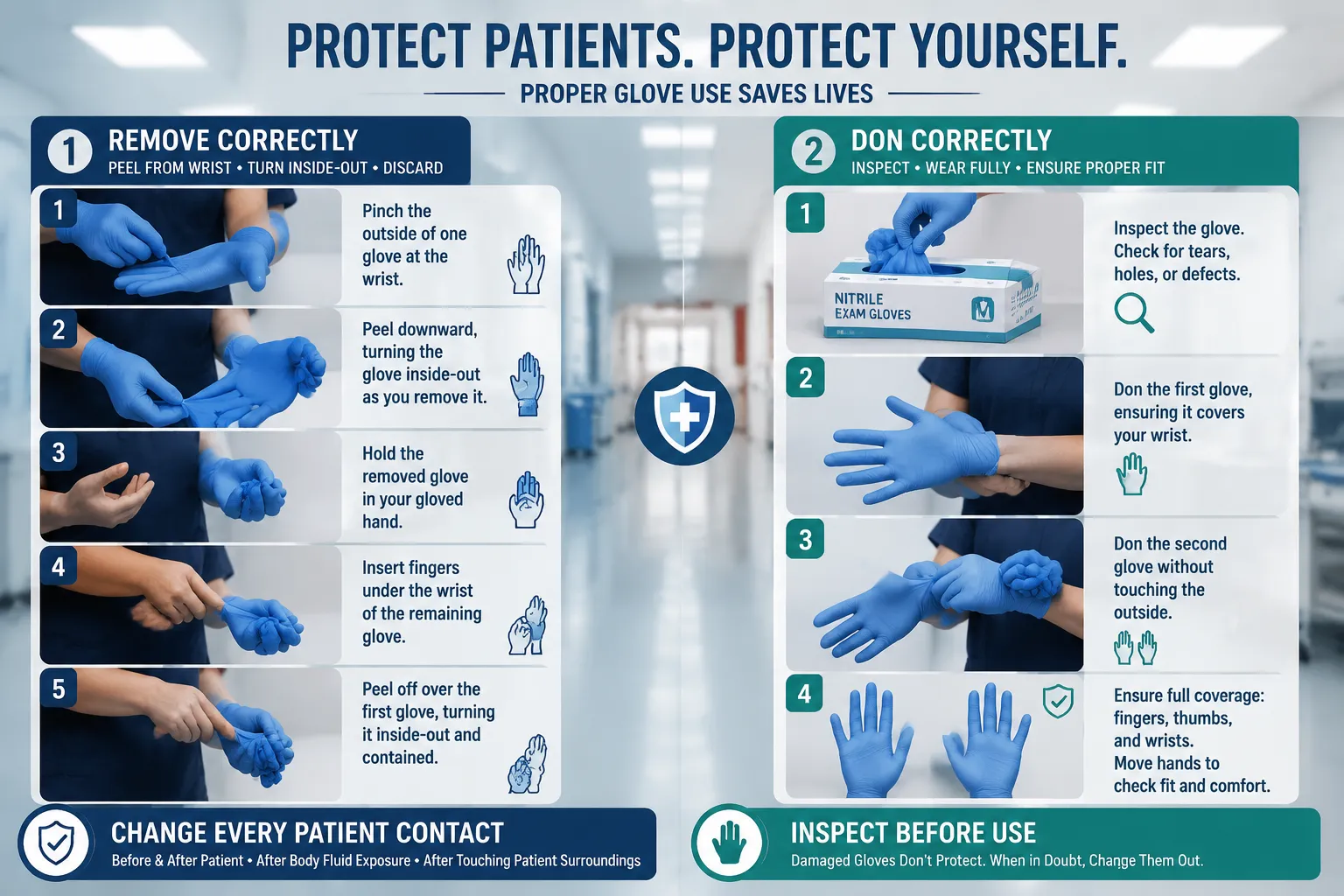
- Healthcare workers should change nitrile gloves between every patient contact and immediately after any potential contamination to prevent cross-infection
- Medical-grade nitrile gloves typically range from 3 to 6 mils in thickness, with 4-5 mil gloves providing the best balance of protection and dexterity for most procedures
- Nitrile gloves are latex-free, eliminating allergic reactions that affect approximately 8-12% of healthcare workers and patients
- Cost per box of medical-grade nitrile gloves ranges from $8 to $25 depending on thickness, brand, and order volume
- Proper glove inspection before use and immediate replacement after tears or punctures are critical practices that many healthcare workers overlook
- Nitrile gloves provide effective barriers against most viruses and bacteria but must be used correctly with proper hand hygiene protocols
Why Are Nitrile Gloves Better Than Latex for Healthcare Workers
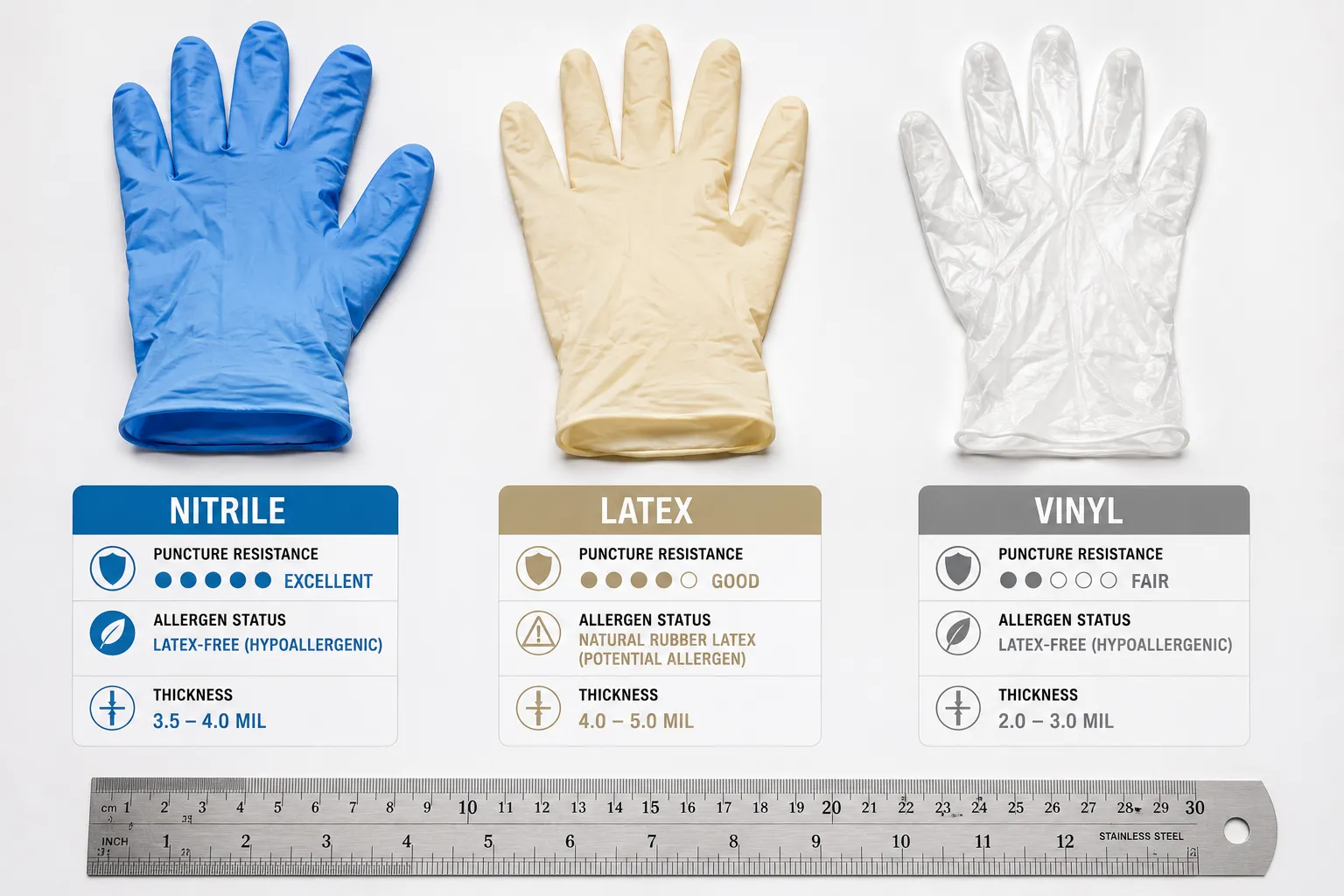
Nitrile gloves outperform latex in three critical areas: allergy prevention, chemical resistance, and puncture protection. Unlike latex, which contains natural rubber proteins that trigger allergic reactions in 8-12% of healthcare workers, nitrile is a synthetic material that eliminates this risk entirely. This matters significantly in chronic disease care settings where staff work extended shifts and wear gloves for hours at a time.
The puncture resistance of nitrile gloves is approximately three times higher than latex gloves of equivalent thickness. When managing patients with chronic conditions who require frequent blood draws, insulin injections, or catheter care, this added durability reduces the risk of accidental needle sticks and exposure to bloodborne pathogens. Healthcare workers handling sharps or working in high-volume patient care environments benefit from this enhanced protection.
Chemical resistance is another key advantage. Nitrile gloves resist degradation from common healthcare chemicals including alcohol-based sanitizers, certain chemotherapy drugs, and petroleum-based products. Latex gloves can break down when exposed to these substances, compromising barrier protection. For healthcare workers managing chronic disease patients who require multiple medications and treatments, this chemical stability ensures consistent protection throughout the workday.
Nitrile gloves are better than latex and vinyl for most medical applications, particularly in environments where latex allergies are a concern.
How Do Nitrile Gloves Protect Against Chronic Disease Transmission
Nitrile gloves create a physical barrier that prevents direct contact between healthcare workers’ skin and potentially infectious materials including blood, bodily fluids, and contaminated surfaces. The synthetic nitrile material forms a continuous membrane that blocks bacteria and viruses from passing through when the glove remains intact. This barrier protection is essential when caring for patients with chronic conditions who may have compromised immune systems or require invasive procedures.
The effectiveness of nitrile gloves against disease transmission depends on three factors:
- Proper fit: Gloves must fit snugly without gaps at the wrist or between fingers where pathogens could enter
- Intact barrier: Any tears, punctures, or degradation compromise protection completely
- Correct usage: Gloves must be changed between patients and after any contamination event
Chronic disease management often involves repeated patient contact for monitoring, medication administration, and wound care. Each interaction presents transmission risks in both directions—from patient to healthcare worker and between patients. Nitrile gloves reduce these risks when combined with proper hand hygiene protocols. Healthcare workers should wash hands before donning gloves and immediately after removal, as gloves alone do not eliminate all transmission pathways.
Common mistake: Many healthcare workers believe gloves eliminate the need for hand washing. In reality, gloves can develop micro-tears during use, and improper removal can contaminate hands. Always perform hand hygiene before and after glove use.
What Thickness Nitrile Gloves Do Hospitals Use for Infection Control
Hospitals typically use nitrile gloves ranging from 3 to 6 mils thick, with 4-5 mil gloves being the most common choice for general patient care and chronic disease management. The mil measurement (one mil equals 0.001 inches) directly affects both protection level and tactile sensitivity. Thicker gloves provide better puncture resistance but reduce dexterity for fine motor tasks.
Here’s how different thickness levels are deployed in healthcare settings:
| Thickness | Primary Use | Protection Level | Dexterity |
|---|---|---|---|
| 2-3 mils | Basic exams, low-risk tasks | Standard | Excellent |
| 4-5 mils | General patient care, chronic disease management | Enhanced | Good |
| 6-8 mils | Surgical procedures, high-risk exposure | Maximum | Moderate |
| 8+ mils | Extended wear, chemotherapy handling | Premium | Limited |
For chronic disease care involving diabetes management, cardiovascular monitoring, or respiratory therapy, 4-5 mil gloves offer the ideal balance. They provide sufficient protection against needle sticks during insulin administration or blood glucose testing while maintaining enough sensitivity for pulse checks, IV line management, and wound dressing changes.
Selection rule: Choose 4-5 mil gloves if your work involves frequent patient contact with moderate exposure risk. Select 6+ mil gloves only when handling chemotherapy drugs, performing surgical procedures, or working with known high-risk pathogens. The demand for nitrile gloves in healthcare continues to grow as facilities prioritize worker safety.
Nitrile Gloves vs Vinyl Gloves for Medical Use
Nitrile gloves provide significantly better barrier protection and durability than vinyl gloves, making them the preferred choice for any medical procedure involving potential exposure to bloodborne pathogens or infectious materials. Vinyl gloves are made from polyvinyl chloride (PVC) and offer basic protection suitable only for low-risk tasks like food service or light cleaning.
The key differences matter for chronic disease management:
Barrier integrity: Nitrile gloves maintain their barrier properties under stress and stretching. Vinyl gloves have higher failure rates, with studies showing they develop micro-perforations more readily during normal use. When managing patients with chronic conditions requiring frequent invasive procedures, this difference in barrier integrity directly impacts infection control.
Fit and comfort: Nitrile gloves conform to hand shape and warm to body temperature, providing a secure fit that improves dexterity. Vinyl gloves remain rigid and loose-fitting, which can compromise grip and increase the risk of glove slippage during procedures. For healthcare workers performing multiple patient assessments throughout a shift, the superior fit of nitrile reduces hand fatigue.
Cost consideration: Vinyl gloves cost approximately 30-50% less than nitrile gloves, which tempts some facilities to use them for budget reasons. However, the higher failure rate and need for more frequent changes often eliminates any cost savings. For patient care involving chronic disease management, the additional cost of nitrile gloves is justified by improved safety outcomes.
When to choose vinyl: Reserve vinyl gloves for non-medical tasks like environmental cleaning, food preparation in healthcare cafeterias, or administrative work where there’s no patient contact. Never use vinyl gloves for direct patient care, wound management, or any procedure involving potential exposure to bodily fluids.
How Much Do Medical Grade Nitrile Gloves Cost Per Box
Medical-grade nitrile gloves typically cost between $8 and $25 per box of 100 gloves, with prices varying based on thickness, brand reputation, certification level, and order volume. As of 2026, healthcare facilities purchasing in bulk (10,000+ gloves) can negotiate prices toward the lower end of this range, while smaller clinics buying individual boxes pay premium prices.
Price breakdown by thickness and quality tier:
- Standard exam gloves (3-4 mils): $8-$12 per 100-count box
- Enhanced protection (4-5 mils): $12-$18 per 100-count box
- Premium surgical grade (6+ mils): $18-$25 per 100-count box
- Specialty gloves (extended cuff, textured grip): $20-$30 per 100-count box
The chronic disease surge has impacted pricing dynamics. Market analysis from MarketDataForecast indicates that rising chronic disorder prevalence and healthcare expansion are driving sustained demand for nitrile gloves, which has stabilized prices after the volatility seen during the 2020-2022 period. Facilities managing high patient volumes should establish contracts with multiple suppliers to ensure consistent pricing and availability.
Cost-saving strategy: Calculate your actual glove usage per patient encounter and per shift. Many facilities discover they can reduce costs by 15-20% simply by implementing proper glove change protocols that prevent unnecessary waste while maintaining infection control standards. Buying thicker gloves that last longer through complex procedures can be more economical than using multiple pairs of thin gloves.
Can Nitrile Gloves Prevent Bloodborne Pathogen Exposure
Nitrile gloves provide effective protection against bloodborne pathogen exposure when used correctly, but they are not impenetrable barriers. They significantly reduce the risk of transmission of HIV, hepatitis B, hepatitis C, and other bloodborne diseases by preventing direct skin contact with infected blood or bodily fluids. However, their effectiveness depends entirely on maintaining an intact barrier throughout the exposure period.
The protection mechanism works through physical barrier properties. Nitrile’s synthetic polymer structure creates a continuous membrane that bloodborne pathogens cannot penetrate unless the glove is compromised. Research shows that intact nitrile gloves block viral particles effectively, but any puncture, tear, or degradation creates a pathway for pathogen transmission.
Critical limitations to understand:
- Needle sticks can penetrate nitrile gloves, though thicker gloves (6+ mils) offer more resistance
- Sharp instruments, bone fragments, or broken glass can puncture gloves during procedures
- Chemical exposure to certain solvents can degrade nitrile over time
- Extended wear beyond recommended timeframes can cause material fatigue
For healthcare workers managing chronic disease patients who require frequent blood draws, insulin injections, or catheter care, the risk of bloodborne pathogen exposure is elevated. Double-gloving (wearing two pairs of gloves simultaneously) is recommended for high-risk procedures. This practice provides a backup barrier if the outer glove is compromised.
Best practice: Inspect gloves before use by holding them up to light and looking for any defects. During procedures involving sharps or high-risk exposures, check gloves periodically for tears. If you suspect a glove breach during patient care, stop immediately, remove gloves properly, perform hand hygiene, and don fresh gloves before continuing.
What Are Common Mistakes When Wearing Nitrile Gloves in Healthcare
Healthcare workers frequently make seven critical errors when using nitrile gloves, each of which compromises infection control and increases disease transmission risk. The most common mistake is failing to change gloves between patient contacts, which turns gloves into vectors for cross-contamination rather than protective barriers.
The seven most common glove usage errors:
Wearing the same gloves for multiple patients: This spreads pathogens between patients and defeats the purpose of barrier protection. Change gloves between every patient encounter without exception.
Skipping hand hygiene before donning gloves: Contaminated hands can transfer pathogens to glove exteriors during the donning process. Always wash or sanitize hands immediately before putting on gloves.
Touching personal items while gloved: Healthcare workers often touch phones, pens, computer keyboards, or door handles while wearing contaminated gloves, spreading pathogens to environmental surfaces. Remove gloves before touching any non-patient items.
Improper glove removal: Touching the exterior of contaminated gloves during removal transfers pathogens to hands. Use proper removal technique: pinch the exterior of one glove near the wrist, peel it off turning it inside-out, hold the removed glove in the gloved hand, then slide fingers under the wrist of the remaining glove and peel it off over the first glove.
Continuing to use torn or punctured gloves: Some healthcare workers notice glove damage but continue working to save time. Any breach requires immediate glove change.
Wearing gloves too long: Extended wear causes hands to sweat, creating moisture that can harbor bacteria and compromise skin integrity. Change gloves every 2-3 hours during continuous use, even without visible contamination.
Using hand sanitizer over gloves: Alcohol-based sanitizers can degrade nitrile material and create micro-perforations. Never apply hand sanitizer to gloved hands; remove gloves, perform hand hygiene, and don fresh gloves instead.
For chronic disease management where healthcare workers see multiple patients with similar conditions throughout the day, these mistakes become routine habits that significantly increase infection risk. Facilities should implement regular competency assessments to ensure staff maintain proper glove protocols. Understanding how long you can safely wear nitrile gloves helps prevent extended wear issues.
Do Nitrile Gloves Protect Against All Types of Viruses and Bacteria
Nitrile gloves provide effective barrier protection against most viruses and bacteria when the glove remains intact, but they are not universally protective against all pathogens or exposure scenarios. The gloves block direct transmission of common healthcare-associated pathogens including MRSA, C. difficile spores, influenza viruses, coronaviruses, and most bacterial infections encountered in chronic disease care settings.
The level of protection depends on several factors:
Pathogen size and type: Bacteria (typically 0.5-5 micrometers) and viruses (0.02-0.3 micrometers) are blocked by intact nitrile material. However, some bacterial spores like C. difficile can survive on glove surfaces and transfer to other surfaces if gloves aren’t changed properly.
Exposure duration: Prolonged contact with highly concentrated pathogen sources can increase the risk of glove degradation or contamination during removal. For chronic disease patients with active infections, minimize contact time and change gloves immediately after the encounter.
Glove integrity: Even microscopic tears or punctures compromise protection completely. Studies show that 10-15% of gloves develop undetected perforations during normal use, which is why hand hygiene before and after glove use remains essential.
Limitations to understand:
- Nitrile gloves do not protect against airborne pathogens (respiratory protection required)
- Chemical disinfectants can degrade nitrile, reducing barrier effectiveness
- Gloves do not eliminate the need for other PPE (gowns, masks, eye protection) in high-risk situations
- Contaminated glove removal can transfer pathogens to hands despite wearing gloves
For healthcare workers managing patients with chronic respiratory diseases, cardiovascular conditions, or diabetes, the most common pathogen exposures involve skin flora, respiratory droplets on surfaces, and bloodborne pathogens during invasive procedures. Nitrile gloves effectively protect against these when combined with proper infection control protocols.
Edge case: Some healthcare-associated pathogens like norovirus are extremely contagious and can spread despite glove use if hand hygiene is inadequate. When caring for patients with suspected norovirus or other highly contagious conditions, use enhanced precautions including double-gloving and extended hand washing (20+ seconds with soap and water rather than alcohol sanitizer alone).
How Often Should Healthcare Workers Change Nitrile Gloves Between Patients
Healthcare workers must change nitrile gloves between every patient contact without exception, and immediately after any event that could compromise glove integrity or contaminate the glove surface. This is the single most important infection control practice for preventing cross-contamination in healthcare settings where chronic disease patients receive care.
The specific situations requiring immediate glove change include:
- Between every patient encounter: Even if the previous patient contact seemed “clean,” gloves must be changed before touching the next patient
- After touching contaminated surfaces: Contact with bed rails, medical equipment, or environmental surfaces requires fresh gloves before patient contact
- Following any procedure involving bodily fluids: Blood draws, wound care, catheter management, or respiratory treatments all require immediate glove change
- When gloves become visibly soiled: Any visible contamination requires immediate replacement
- After touching non-patient items: If you touch your phone, computer, or other personal items while gloved, change gloves before returning to patient care
- Every 2-3 hours during continuous use: Even without visible contamination, extended wear compromises barrier integrity
For chronic disease management in high-volume settings like dialysis centers, diabetes clinics, or cardiac care units, healthcare workers may change gloves 20-40 times per shift. This frequency is necessary and appropriate for maintaining infection control standards.
Time-based guideline: If you’re wearing the same pair of gloves for more than 15-20 minutes of active patient care, you’re likely making an error. Most patient encounters should involve fresh gloves that are removed and discarded within minutes of completing the specific task.
Cost vs. safety consideration: Some facilities try to reduce glove costs by encouraging staff to “preserve” gloves. This is false economy. The cost of a single healthcare-associated infection far exceeds the cost of proper glove usage. A box of 100 nitrile gloves costs $10-15, while treating a single hospital-acquired infection costs thousands of dollars and can harm patient outcomes.
Are Nitrile Gloves Safe for People with Latex Allergies
Nitrile gloves are completely safe for people with latex allergies because they contain no natural rubber latex proteins, which are the allergens responsible for latex sensitivity reactions. This makes nitrile the preferred choice for healthcare settings where both workers and patients may have latex allergies. Approximately 8-12% of healthcare workers and 1-6% of the general population have latex sensitivity, making latex-free alternatives essential.
The safety profile of nitrile for latex-allergic individuals is well-established. Nitrile is a synthetic polymer (acrylonitrile-butadiene rubber) that shares no chemical structure with natural rubber latex. People with confirmed latex allergies can wear nitrile gloves without risk of allergic reactions related to latex proteins.
Important distinction: While nitrile gloves don’t cause latex allergies, some individuals may develop sensitivity to nitrile itself or to chemical accelerators used in glove manufacturing. This is rare (affecting less than 1% of users) but can cause contact dermatitis. Symptoms include:
- Redness, itching, or rash on hands after glove use
- Dry, cracked skin on hands and wrists
- Delayed reaction (appearing 24-48 hours after exposure)
If you develop these symptoms, you may have a chemical sensitivity rather than a latex allergy. Switch to accelerator-free nitrile gloves or consider alternative materials like polyethylene gloves for low-risk tasks.
For healthcare facilities: Transitioning to latex-free environments using nitrile gloves protects both staff and patients with latex allergies. Many hospitals have completely eliminated latex gloves from their supply chains to prevent accidental exposure. When caring for chronic disease patients who may have multiple allergies or sensitivities, using nitrile gloves eliminates one potential complication.
Patient safety note: Always ask patients about latex allergies before any procedure. Even in latex-free facilities, some medical equipment (catheters, blood pressure cuffs, tourniquets) may contain latex. Nitrile gloves are just one component of comprehensive latex allergy management.
What Happens if Nitrile Gloves Tear During Patient Care
If nitrile gloves tear during patient care, stop the procedure immediately, remove the compromised gloves using proper technique, perform thorough hand hygiene, assess for any potential exposure, and don fresh gloves before resuming patient care. The immediate response to glove failure is critical for preventing pathogen transmission and protecting both healthcare worker and patient.
Step-by-step response protocol:
- Stop immediately: Cease all patient contact the moment you notice or suspect a tear
- Assess the situation: Determine if the tear occurred during high-risk exposure (contact with blood, bodily fluids, or contaminated sharps)
- Remove gloves properly: Even though torn, remove using proper technique to minimize hand contamination
- Perform hand hygiene: Wash hands thoroughly with soap and water for at least 20 seconds (alcohol sanitizer is acceptable if no visible contamination)
- Inspect for exposure: Check your hands for any cuts, abrasions, or visible contamination
- Don fresh gloves: Put on new gloves and inspect them for integrity before resuming care
- Document if necessary: If the tear occurred during high-risk exposure, follow facility protocols for potential bloodborne pathogen exposure
High-risk exposure scenarios: If glove failure occurred during contact with blood, bodily fluids, or a known infectious patient, additional steps may be required:
- Report the incident to your supervisor immediately
- Complete an exposure report per facility protocol
- Seek evaluation for post-exposure prophylaxis if indicated
- Document the circumstances for infection control tracking
For chronic disease management, glove tears most commonly occur during procedures involving sharps (insulin injections, blood glucose testing, IV line management) or when removing gloves after extended wear. The risk increases with thinner gloves (2-3 mils) and decreases with thicker options (5-6 mils).
Prevention strategies: Inspect gloves before use, avoid jewelry that can puncture gloves, trim fingernails short, and consider double-gloving for high-risk procedures. Many facilities stock different glove thicknesses so staff can select appropriate protection for each task.
Best Nitrile Glove Brands for Long-Term Healthcare Worker Use
Healthcare facilities managing chronic disease patients should prioritize nitrile glove brands that consistently deliver quality, comfort, and reliable supply chains. The best brands for long-term healthcare use combine durability, proper fit, reasonable pricing, and proven track records in clinical settings. As of 2026, several manufacturers have established themselves as reliable suppliers for high-volume healthcare environments.
Top-tier brands for healthcare settings:
Medline: Offers extensive product lines including exam and surgical nitrile gloves in multiple thicknesses. Known for consistent quality control and reliable supply chains. Their powder-free nitrile exam gloves are widely used in hospitals and clinics managing chronic disease patients.
Kimberly-Clark (Purple Nitrile): Premium positioning with excellent tactile sensitivity and fit. Higher price point but lower failure rates. Popular among surgical teams and specialty care units where dexterity is critical.
Ansell: Global manufacturer with strong quality standards and diverse product range. Their Micro-Touch line is specifically designed for extended wear comfort, making them suitable for healthcare workers in chronic disease management who wear gloves for extended periods.
Cardinal Health: Large healthcare distributor offering multiple nitrile glove lines at competitive prices. Good choice for facilities seeking balance between cost and quality. Their Flexal line provides good puncture resistance for general patient care.
Selection criteria for healthcare facilities:
- Certification: Ensure gloves meet ASTM D6319 (exam gloves) or ASTM D3578 (surgical gloves) standards
- AQL rating: Acceptable Quality Level should be 1.5 or lower (indicating fewer than 1.5% defect rate)
- Sizing range: Brands offering XS through XXL accommodate diverse staff hand sizes
- Supply reliability: Choose brands with multiple manufacturing locations to prevent supply disruptions
- Cost per use: Calculate based on glove changes per shift, not just box price
Avoid these red flags: Extremely low-priced gloves from unknown manufacturers often have higher failure rates. Gloves without clear certification markings may not meet medical-grade standards. Brands with frequent supply disruptions create operational challenges in high-volume settings.
For facilities managing chronic disease surges, establishing relationships with 2-3 approved brands provides supply chain resilience while maintaining quality standards. Many healthcare systems negotiate annual contracts that lock in pricing and guarantee supply availability.
Do Thicker Nitrile Gloves Reduce Dexterity for Medical Procedures
Thicker nitrile gloves do reduce tactile sensitivity and fine motor control compared to thinner options, but the impact varies based on glove thickness, procedure type, and individual user adaptation. For most chronic disease management tasks, the dexterity reduction from using 4-5 mil gloves instead of 2-3 mil gloves is minimal and acceptable given the enhanced protection benefits.
Dexterity impact by thickness:
- 2-3 mils: Excellent tactile sensitivity, suitable for fine motor tasks like suturing or delicate wound care, but lower puncture resistance
- 4-5 mils: Good dexterity for most patient care tasks including pulse checks, IV line management, and medication administration; this is the sweet spot for chronic disease care
- 6-8 mils: Noticeable reduction in sensitivity; suitable for surgical procedures where protection outweighs the need for maximum dexterity
- 8+ mils: Significant dexterity limitation; reserved for chemotherapy handling or extended wear situations where maximum protection is required
Healthcare workers typically adapt to thicker gloves within 1-2 weeks of regular use. The initial perception of reduced sensitivity diminishes as users develop compensatory techniques. For chronic disease management involving repetitive tasks like blood glucose monitoring, blood pressure checks, or insulin administration, 4-5 mil gloves provide adequate sensitivity once users adjust.
Procedure-specific recommendations:
- Choose thinner gloves (3-4 mils) for: Fine suturing, delicate wound debridement, pediatric procedures, ophthalmic care
- Choose medium gloves (4-5 mils) for: General patient assessment, vital signs, medication administration, routine blood draws, chronic disease monitoring
- Choose thicker gloves (6+ mils) for: Surgical procedures, handling chemotherapy agents, extended procedures with high contamination risk, working with known infectious patients
Common concern: Some healthcare workers resist thicker gloves, claiming they “can’t feel anything.” In reality, most routine chronic disease care tasks don’t require the maximum tactile sensitivity that 2-3 mil gloves provide. The added protection from 4-5 mil gloves is worth the minimal dexterity trade-off for most applications.
Testing approach: Have staff trial different thicknesses for their specific tasks. Many discover they can perform their duties effectively with 4-5 mil gloves once they adjust, gaining better protection without significant dexterity loss. For more information on glove selection, see our guide on choosing the best nitrile gloves.
How Long Can You Safely Wear Nitrile Gloves Before They Need Changing
Healthcare workers can safely wear nitrile gloves for approximately 2-3 hours of continuous use before material fatigue and moisture accumulation compromise barrier integrity, but this maximum duration applies only when gloves remain visibly clean and intact throughout the wear period. In practice, most patient care activities require glove changes much more frequently based on contamination events rather than time limits.
Time-based guidelines for continuous wear:
- Maximum continuous wear: 2-3 hours without contamination events
- Typical patient care: 10-20 minutes per patient encounter before change
- High-risk procedures: Change immediately after procedure completion
- Environmental factors: Reduce wear time in hot environments where excessive sweating occurs
The 2-3 hour maximum assumes the healthcare worker is performing low-risk tasks without patient contact or contamination. For chronic disease management involving direct patient care, gloves should be changed based on task completion rather than time elapsed. Each patient encounter, procedure, or contamination event requires fresh gloves regardless of how long the previous pair was worn.
Factors that shorten safe wear time:
- Moisture accumulation: Sweating inside gloves creates a moist environment that can harbor bacteria and compromise skin integrity
- Material fatigue: Repeated hand movements and stretching gradually weaken nitrile material
- Chemical exposure: Contact with alcohol sanitizers, cleaning agents, or medications can degrade gloves over time
- Physical stress: Gripping instruments, opening packages, or manipulating equipment creates micro-tears
Signs gloves need immediate changing:
- Visible tears, punctures, or holes
- Discoloration or material degradation
- Excessive moisture inside gloves
- Any contact with contaminated surfaces or bodily fluids
- Completion of patient care task
For healthcare workers in chronic disease clinics seeing multiple patients per hour, the practical wear time per pair of gloves is typically 5-15 minutes. This frequent changing is appropriate and necessary for infection control. Facilities should budget for 20-40 glove changes per healthcare worker per shift in high-volume patient care settings.
Extended wear situations: Some healthcare workers attempt to preserve gloves by wearing them for extended periods between patients. This practice is dangerous and violates infection control standards. The minor cost savings from reduced glove usage is vastly outweighed by the increased risk of healthcare-associated infections.
Frequently Asked Questions
Can you reuse nitrile gloves after washing them?
No, nitrile gloves are designed for single-use only and should never be washed and reused. Washing degrades the material, creates micro-perforations, and cannot reliably remove all pathogens. Always discard gloves after each use and don fresh pairs for each patient encounter.
Do nitrile gloves expire?
Yes, nitrile gloves typically have a shelf life of 3-5 years when stored properly in cool, dry conditions away from direct sunlight. Expired gloves may become brittle, lose elasticity, and have higher failure rates. Check expiration dates on boxes and rotate stock to use oldest gloves first.
Can you wear nitrile gloves if you have sensitive skin?
Most people with sensitive skin can wear nitrile gloves without problems, but some may develop contact dermatitis from chemical accelerators used in manufacturing. If you experience redness or itching, try accelerator-free nitrile gloves or apply a barrier cream before donning gloves. Ensure hands are completely dry before putting on gloves to reduce irritation.
Are powder-free nitrile gloves better than powdered ones?
Yes, powder-free nitrile gloves are superior for healthcare use. Powdered gloves can cause respiratory irritation, contaminate wounds, and interfere with some medical procedures. Most healthcare facilities have transitioned exclusively to powder-free gloves. The powder-free manufacturing process also produces stronger, more reliable gloves.
What size nitrile gloves should I wear?
Measure your hand circumference at the widest part (excluding thumb) and match to manufacturer sizing charts. Gloves should fit snugly without being tight or restricting movement. Too-large gloves reduce dexterity and increase contamination risk, while too-small gloves tear easily and cause hand fatigue. Most healthcare workers wear medium or large sizes.
Can nitrile gloves protect against COVID-19 and other respiratory viruses?
Yes, nitrile gloves protect against respiratory virus transmission when the virus is present on surfaces or in droplets that contact the gloves. However, gloves do not protect against airborne transmission. Healthcare workers must combine glove use with proper respiratory protection (masks), eye protection, and hand hygiene for comprehensive protection against respiratory viruses.
Do black nitrile gloves offer better protection than blue ones?
No, color does not affect protection level. Black nitrile gloves offer the same barrier protection as blue, purple, or other colors when they have equivalent thickness and meet the same standards. Color choice is typically based on facility preference, with some choosing black gloves because they show less visible contamination or for aesthetic reasons in certain settings.
Should you double-glove for high-risk procedures?
Yes, double-gloving is recommended for surgical procedures, handling chemotherapy drugs, or caring for patients with known bloodborne pathogen infections. Wear a thinner glove underneath and a standard glove on top. This provides backup protection if the outer glove is compromised and makes glove breaches more visible.
Can you use hand sanitizer while wearing nitrile gloves?
No, never apply hand sanitizer to gloved hands. Alcohol-based sanitizers can degrade nitrile material and create micro-perforations that compromise barrier protection. If your gloves become contaminated, remove them properly, perform hand hygiene, and don fresh gloves. Hand sanitizer should only be applied to bare skin.
What’s the difference between exam gloves and surgical gloves?
Surgical gloves meet stricter quality standards (lower AQL ratings), come in sterile packaging, and typically have more precise sizing and better tactile sensitivity. Exam gloves are non-sterile and suitable for most patient care tasks. For chronic disease management, exam gloves are appropriate for routine care, while surgical gloves are reserved for invasive procedures.
How do you properly dispose of used nitrile gloves?
Remove gloves using proper technique (turning them inside-out during removal), place them in designated medical waste containers, and perform immediate hand hygiene. Gloves contaminated with blood or bodily fluids should be disposed of in biohazard waste containers. Never leave used gloves on surfaces or in regular trash where they can spread contamination.
Can nitrile gloves cause sweating and skin problems?
Yes, wearing gloves for extended periods traps moisture and heat, which can cause sweating, skin maceration, and dermatitis. To minimize these issues, change gloves every 2-3 hours during continuous use, ensure hands are completely dry before donning gloves, and apply barrier cream if needed. Remove gloves periodically to allow hands to air out when safe to do so.
Conclusion
The surge in chronic disease cases worldwide has made nitrile gloves an indispensable tool for protecting healthcare workers and preventing disease transmission in clinical settings. As diabetes, cardiovascular disease, chronic respiratory conditions, and other long-term illnesses continue to rise, the demand for reliable, hypoallergenic, and durable hand protection will only increase. Nitrile gloves meet this need by offering superior puncture resistance, chemical stability, and latex-free protection that keeps healthcare workers safe during the thousands of patient encounters required for effective chronic disease management.
Healthcare facilities should prioritize proper glove selection, usage protocols, and staff training to maximize the protective benefits of nitrile gloves. This means choosing appropriate thickness levels (4-5 mils for most chronic disease care), establishing clear change protocols (between every patient contact), and ensuring staff understand common usage mistakes that compromise protection. The cost of proper glove usage is minimal compared to the expense and human impact of healthcare-associated infections.
Actionable next steps for healthcare facilities:
- Audit current glove usage patterns to identify areas where protocols need strengthening
- Establish contracts with 2-3 reliable nitrile glove suppliers to ensure consistent supply
- Implement regular competency assessments for proper glove donning, removal, and change protocols
- Calculate actual glove needs based on patient volume and procedure types to ensure adequate inventory
- Train staff on the specific protection limitations of nitrile gloves and the importance of combining glove use with other infection control measures
For individual healthcare workers:
- Inspect every pair of gloves before use for tears or defects
- Change gloves between every patient contact without exception
- Perform hand hygiene before donning and after removing gloves
- Select appropriate glove thickness for your specific tasks
- Report any skin reactions or sensitivities to occupational health services
The chronic disease surge presents ongoing challenges for healthcare systems, but proper use of nitrile gloves provides a proven, cost-effective method for protecting the healthcare workers who care for these patients daily. By understanding the capabilities and limitations of nitrile gloves and implementing evidence-based usage protocols, healthcare facilities can maintain high infection control standards while managing increasing patient volumes. For more information on selecting appropriate protective equipment, explore our resources on nitrile gloves for hospitals and sterile versus non-sterile gloves.
SEO Meta Title: Nitrile Gloves in Chronic Disease Surge: Healthcare Worker Protection