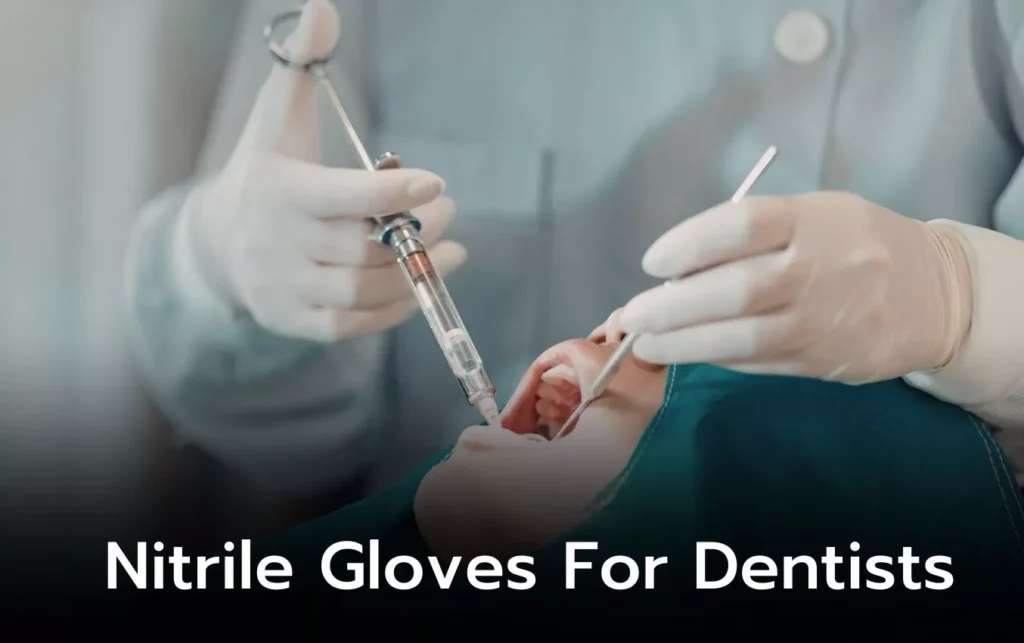
Every dental visit begins with a simple step most patients never notice: a pair of gloves sliding over the clinician’s hands. That thin layer separates skin from the oral cavity and everything inside it. For many practices, that barrier is nitrile, not latex, because nitrile gloves for dentists now sit at the center of safe, modern care. Their job is simple but serious—keeping blood, saliva, and chemicals on one side, and the dental team’s hands on the other.
Table of Contents
- Key Takeaways
- Why Nitrile Gloves Are Essential For Dental Professionals
- Key Features That Define Premium Dental Nitrile Gloves
- Thickness And Mil Rating For Optimal Protection
- Textured Surface For Superior Grip
- Powder-Free And Interior Coating Technologies
- Comparing Nitrile To Other Glove Materials In Dental Settings
- Nitrile vs. Latex The Critical Differences
- Nitrile vs. Vinyl When Cost Meets Performance
- How To Select The Right Nitrile Gloves For Your Dental Practice
- Sizing And Fit Considerations
- Color Selection Function Beyond Aesthetics
- Specialty Formulations For Specific Needs
- Top Considerations When Evaluating Premium Dental Nitrile Glove Brands
- Best Practices For Nitrile Glove Usage In Dental Procedures
- Addressing Common Concerns About Nitrile Gloves In Dentistry
- Conclusion
- FAQs
- Related Posts
Dentistry brings a hard mix of risks into a very small working space. Sharp scalers and burs, splashes of hydrogen peroxide and bleach, and constant contact with bacteria and viruses are part of daily life. At the same time, teeth move only microns, so fine touch matters for almost every procedure. Latex once ruled the operatory for that “second skin” feel, but allergies in both staff and patients pushed many offices toward nitrile gloves for dentists that are safer for everyone.
At Nitrile Gloves Info, we focus only on nitrile gloves, so we look closely at what really works in a dental setting. We study how different brands perform, how well they resist punctures and chemicals, and how they feel over a full schedule of patients. In this guide, we walk through what sets premium nitrile gloves for dentists apart, how they compare to latex and vinyl, and how to choose the best options for a specific practice.
Key Takeaways
- Nitrile gloves for dentists give strong protection against blood, saliva, and chemicals while staying thin enough for precise work. They usually handle sharp instruments better than latex or vinyl, helping the team stay safe without feeling clumsy.
- Premium dental nitrile gloves stand out through thickness, texture, and interior finish. Details like mil rating, fingertip pattern, and powder-free coatings change how a glove feels and performs. Learning to read those specs helps every box in the stockroom have a clear purpose.
- Because nitrile is latex-free, one glove type can protect staff and patients with or without allergies. That simplifies ordering and lowers the chance of a dangerous reaction in the chair. Accelerator-free options give added comfort for people with sensitive skin.
- A glove is only as good as its maker and how it is used. We show what to look for in premium brands, how to compare certifications, and which everyday habits give the most protection in real procedures. With help from Nitrile Gloves Info, dentists can match nitrile gloves to each task with confidence.
Why Nitrile Gloves Are Essential For Dental Professionals
In a dental operatory, every procedure exposes the team to saliva, blood, and small droplets that can carry bacteria and viruses. Hands sit closest to that risk, which is why glove choice matters so much. When we look at nitrile gloves for dentists, we see more than a simple disposable line item—we see the main barrier that keeps bloodborne pathogens off skin and helps a practice meet infection control rules and OSHA expectations.
Nitrile comes from nitrile butadiene rubber, a synthetic material that does not contain natural rubber proteins. That means nitrile gloves for dentists remove the threat of Type I latex allergy for both staff and patients. One glove type can go from chairside procedures to instrument processing without a nurse stopping to check who reacts to latex. For busy offices, that consistency cuts confusion and lowers the chance of a dangerous mistake.
Key reasons many practices rely on nitrile include:
- Latex-free safety: No natural rubber proteins, so no classic Type I latex allergy.
- Strength and puncture resistance: Quality nitrile exam gloves handle punctures and tears better than most latex options, which matters when a scaler or endodontic file slips.
- Chemical resistance: Nitrile often holds up better to disinfectants, hydrogen peroxide, many bonding agents, and formaldehyde-based agents.
- Modern tactile feel: Newer thin nitrile formulas now provide tactile feedback that feels close to latex, without the allergy problems.
CDC dental infection-prevention guidance notes that clinicians should wear medical gloves whenever they expect contact with blood, saliva, or mucous membranes. Nitrile exam gloves are a reliable way to meet that expectation while reducing latex-allergy risks.
When we match FDA medical-grade nitrile gloves to a dental office, we look for products that combine good touch sensitivity with tested barrier performance and enough durability for real clinical work.
Key Features That Define Premium Dental Nitrile Gloves
Not all nitrile gloves for dentists feel or perform the same, which is why maxill Dental | Dental and other suppliers offer various grades to meet different clinical needs. Two blue boxes on a shelf can hide big differences in thickness, grip, and ease of use. When we test dental nitrile gloves at Nitrile Gloves Info, we focus on a few design choices that separate basic exam gloves from premium ones made for demanding work. Three features matter most in daily practice: thickness, surface texture, and interior finish.
Thickness And Mil Rating For Optimal Protection
Mil rating describes glove thickness in thousandths of an inch, and it affects both safety and precision:
- Around 3 mil: Good for routine exams and low‑risk procedures; allows easy finger movement and very fine touch.
- 4–6 mil: Extra strength for frequent use of sharp instruments or longer chairtime; common for restorative and endodontic work.
- Above 6 mil: Heavier gloves for oral surgery or long, messy tasks; more protection but some subtle feel is lost.
Premium brands use high-quality nitrile and careful manufacturing so a 4–5 mil glove still bends easily and recovers its shape without feeling stiff or plasticky.
Textured Surface For Superior Grip
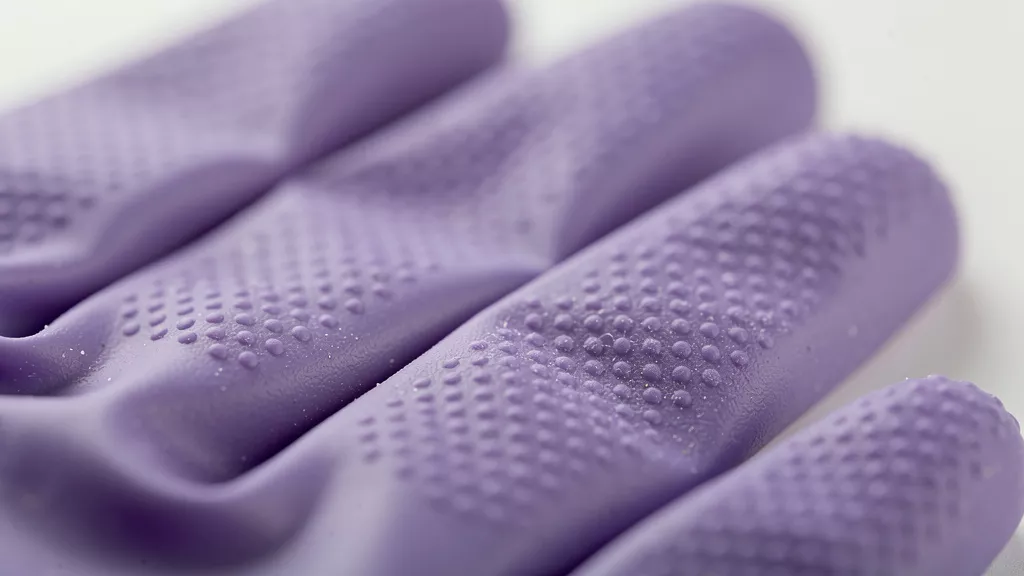
Dental instruments are small, smooth, and often wet with saliva, water, or blood, so grip is not optional. Premium nitrile gloves for dentists usually add micro-texture to the fingertips or across the full palm and fingers. That fine pattern:
- Increases friction just enough to hold a mirror, scaler, or syringe securely
- Helps control wet instruments without a tight squeeze
- Does not thin the glove or feel rough and distracting
We compare gloves by wet-grip tests and by feedback from clinicians, because a steady grasp is one of the easiest ways to lower the risk of slips, nicks, and accidental needlesticks.
Powder-Free And Interior Coating Technologies
Older medical gloves relied on cornstarch powder so they would slide over the hand. That powder spread through the air and carried latex proteins, which raised allergy risks and could settle on instruments and surfaces. For that reason, premium nitrile gloves for dentists are powder-free and use other methods instead:
- Chlorination treats the glove interior so it feels smooth and glides on easily, even when hands are slightly damp.
- Polymer coatings add a very thin layer that works like a built‑in donning aid.
- Accelerator-free nitrile avoids some chemical agents used in curing that trigger Type IV sensitivities, which helps staff with red, itchy skin after long days.
The best interior finishes help hands go in and out of gloves quickly while keeping the barrier strong and consistent.
Comparing Nitrile To Other Glove Materials In Dental Settings
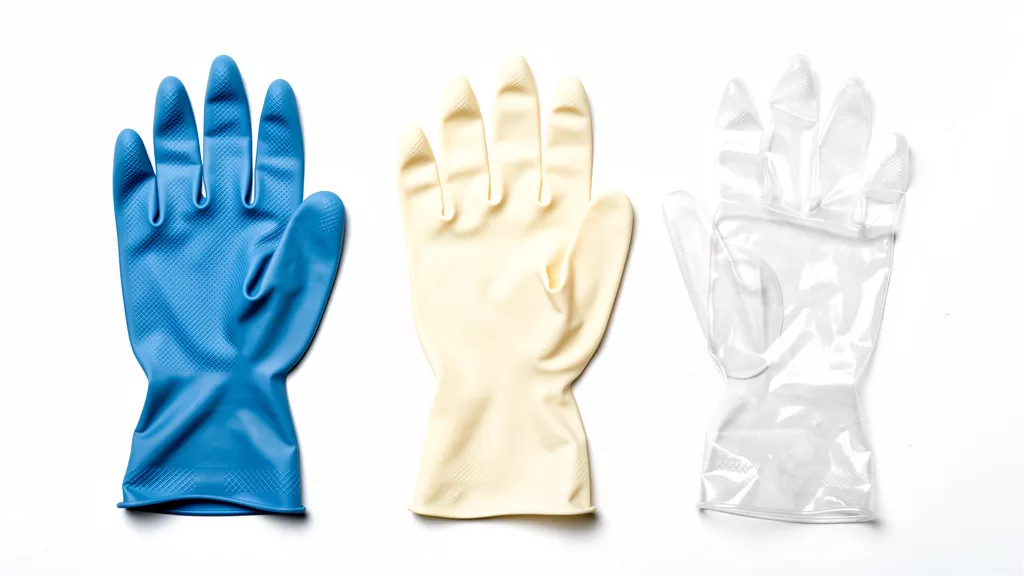
When dentists review glove options, price and habit often push the choice toward whatever the office has always ordered. We encourage a closer look at how materials behave under real dental conditions. By comparing nitrile gloves for dentists with latex and vinyl alternatives, a practice can base its glove policy on performance and safety instead of old routines or catalog deals.
Nitrile vs. Latex The Critical Differences
Latex once set the standard for comfort and touch. Many clinicians liked the way it snapped back, hugged the hand, and made fine work feel natural. The serious problem is the protein content that can trigger Type I allergy, from mild hives to life‑threatening reactions. Those reactions can affect staff or patients and can appear after years of exposure.
Modern nitrile gloves for dentists give a very similar level of tactile feedback without that allergy risk. Thin medical-grade nitrile:
- Bends well and keeps a snug fit
- Often outperforms latex when sharp explorers or burs press against the surface
- Holds up better to many common dental chemicals
In offices where no one reports latex problems and extreme sensitivity comes first, some clinicians still prefer latex. For most practices, though, nitrile delivers the safer mix of feel, protection, and long‑term compatibility with a wide patient base.
Nitrile vs. Vinyl When Cost Meets Performance
Vinyl gloves appeal to many buyers because they are latex‑free and often carry a lower price per box. The material, based on PVC, does not stretch very far, so gloves tend to fit loosely around the fingers and palm. That loose fit lowers tactile sensitivity and makes it easier for a glove to tear or leak at the cuff or between the fingers when placed under stress.
When we compare vinyl to nitrile gloves for dentists, the gap becomes clear:
- Nitrile molds to the hand, resists punctures, and blocks more chemicals common in dental work.
- Vinyl works better for quick, low‑risk tasks such as cleaning counters or restocking supplies, where fine touch and maximum barrier strength matter less.
- Hybrid vinyl or vinyl–nitrile blends add a little extra stretch but still do not reach the level we look for in direct patient care.
For any treatment that enters the mouth, pure medical-grade nitrile is the standard we recommend.
How To Select The Right Nitrile Gloves For Your Dental Practice
Once a team decides to rely on nitrile gloves for dentists, the next question is which ones to buy. Boxes on the shelf all promise comfort and safety, yet the feel at the chair can differ a lot from brand to brand. We suggest a simple checklist built around fit, color, and special formulations so every provider ends up with gloves suited to their hands and daily procedures.
Sizing And Fit Considerations
Fit may be the most overlooked factor in glove performance. Gloves that run too small pinch at the web of the thumb, limit motion, and tear more easily when stretched over time. Oversized gloves fold at the fingertips, catch on brackets or instruments, and dull fine touch.
Most nitrile gloves for dentists come in extra‑small through extra‑large, with small and medium used most in many offices. We advise each team member to:
- Try several sizes, not just the one they “always” wear
- Compare different brands, because sizing is not identical across manufacturers
- Check fit during actual procedures, not only during quick try‑ons
Stocking a full range of sizes in the supply closet helps new staff and locum providers work safely from the first day.
Color Selection Function Beyond Aesthetics
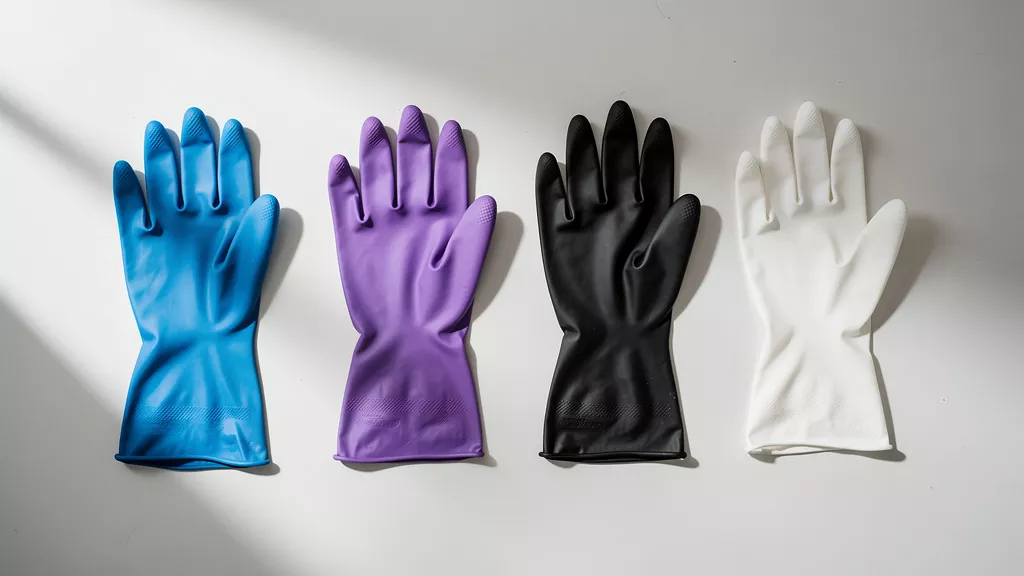
Glove color may look like style, yet it supports safety too. Different shades can make day‑to‑day work clearer and calmer:
- Blue or purple nitrile gloves make it easy to see that a glove is medical‑grade and not latex.
- Black gloves hide blood and other fluids, which many oral surgeons and cosmetic dentists prefer because the glove looks cleaner to nervous patients.
- White or very light colors help tiny punctures or tears stand out faster.
- Some practices use color coding—one shade for hygiene, another for sterilization, another for operatory clean‑up—to support cross‑contamination control at a glance.
With a simple color plan, the team can reduce mix‑ups and support infection control without extra paperwork.
Specialty Formulations For Specific Needs
Not every clinician has the same skin or the same risk level, so specialty nitrile gloves for dentists fill important gaps:
- Accelerator-free nitrile for staff who get redness, itching, or blisters from standard formulas
- Latex-like stretch for providers who miss the softer, elastic feel of older latex gloves
- Extended cuff styles and thicker high‑risk gloves for oral surgery, implant placement, or frequent use of sharps
At Nitrile Gloves Info, we review these specialty lines so a practice can match them to staff who need extra protection or comfort without guessing.
Top Considerations When Evaluating Premium Dental Nitrile Glove Brands
Brand names on a box tell only part of the story. When we compare nitrile gloves for dentists across manufacturers, we start with proof that the product meets medical standards. That includes:
- FDA listing for exam use
- Current ASTM D6319 compliance
- A clear Acceptable Quality Level (AQL) that shows a low rate of pinholes and defects
- Factory ISO certifications that confirm consistent processes
Reputation and batch consistency come next. Established glove makers with strong quality control tend to deliver the same fit and feel from case to case, which helps a practice avoid surprises mid‑year. We read performance data on puncture resistance, viral barrier tests, and chemical permeation, rather than leaning only on marketing terms. When that data lines up with feedback from dentists and hygienists who use the gloves every day, we gain trust in the brand.
Supply reliability also matters. A premium glove is no help if a practice cannot restock it during busy months. We look at distribution strength and how well a manufacturer handled recent shortages. Cost still plays a role, but we focus on value, not just price; a slightly higher cost per glove often saves money by reducing tears, wasted pairs, and exposure incidents that disrupt schedules.
At Nitrile Gloves Info, we test and compare major names that appear in dental catalogs across the United States, including specialized products like MediHands Nitrile Powder Free gloves and other medical-grade options. Instead of steering readers toward one supplier, we explain how brands such as Ansell, Cranberry, AMMEX, Henry Schein, Adenna, Made in USA Raven, and others differ in thickness, texture, and fit. That way a practice can review our side‑by‑side guides, order samples, and choose premium nitrile gloves for dentists that match both clinical needs and budget.
Best Practices For Nitrile Glove Usage In Dental Procedures
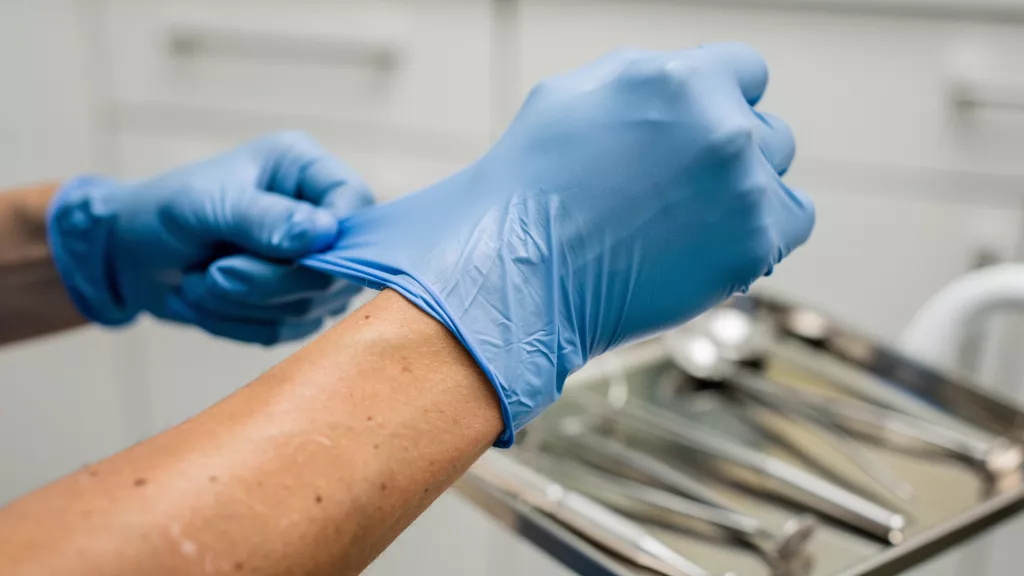
Even the best nitrile gloves for dentists protect only when a team uses them correctly. Good practice starts before a glove comes out of the box.
Before donning gloves:
- Wash or sanitize hands and dry them well.
- Remove rings, bracelets, and keep nails short to avoid tearing the material.
- Take gloves from the box with clean hands, touching only the inner cuff.
When wearing gloves:
- Pull the cuff over the wrist of the gown or coat, not under it.
- Change gloves between every patient, without exception.
- Change gloves whenever you:
- Move from a dirty area to a clean one
- Leave and re‑enter the operatory
- Feel any snag or suspect a tear
- See visible contamination or heavy fluid buildup
For long, high‑risk work such as surgical extractions, double gloving adds a safety layer if the outer glove fails without notice.
Avoiding cross‑contamination:
- Gloved hands should touch only the patient and items already considered contaminated.
- Phones, charts, door handles, and keyboard covers belong in the clean area; remove gloves before touching them.
- Use the glove‑in‑glove removal method: turn the first glove inside out while holding it in the second, then peel off the second so both are contained and drop them into proper waste.
- Perform hand hygiene after removal, even if gloves look intact.
As one experienced hygienist likes to say, “If you think you might need to change your gloves, you probably should have changed them a minute ago.”
Storage and training complete the picture. Boxes of nitrile gloves for dentists should stay away from direct sunlight, heat sources, and strong ozone, which can weaken rubber over time. Regular training sessions keep every staff member, from new assistants to senior dentists, current on safe glove use. Our guides at Nitrile Gloves Info support those sessions with clear, practical checklists.
Addressing Common Concerns About Nitrile Gloves In Dentistry
Do nitrile gloves really match latex for sensitivity?
Early nitrile felt stiff and a bit numb, and some dentists still remember those models. Newer thin formulations, especially in the 3–4 mil range, give much better feedback and bend more easily. We often hear from clinicians who switch to premium nitrile gloves for dentists and then forget they are not wearing latex after the first week.
Are black gloves as safe as traditional colors?
Color alone does not change barrier strength, as long as the glove meets the same medical standards and tests. Black gloves can make punctures harder to see, though, so some teams pair them with extra inspection and prefer light colors for high‑risk work.
Can someone develop an allergy to nitrile?
True protein‑based latex allergy does not occur with nitrile, since it is synthetic. A small number of people react instead to the accelerators used to cure the rubber, which leads to itchy, red skin hours after glove use. For those staff, we suggest accelerator-free nitrile gloves for dentists or brands that use low‑irritant chemistries.
Why do some nitrile gloves feel stiff or plasticky?
That usually points to lower quality raw material or a thick, older‑style design. Premium medical‑grade gloves use better formulations and tighter control of thickness, so they soften faster once warmed by the hand.
How do we balance cost, quality, and thickness?
It is tempting to pick the cheapest box or the thickest glove and call it safer, but both shortcuts can backfire. Very cheap gloves often tear more and waste pairs, and very thick gloves can hide loss of fine control. We advise practices to map glove thickness to procedure type and then choose mid‑priced, well‑tested nitrile gloves for dentists that protect providers without numbing their touch. Our comparison guides help sort those trade‑offs.
Conclusion
Gloves may look simple, yet they set the tone for safety in every dental operatory. By shifting attention from generic disposables to premium nitrile gloves for dentists, a practice protects its team from bloodborne pathogens, harsh chemicals, and painful skin reactions. Nitrile offers latex‑free safety, strong puncture resistance, and modern tactile feel that suits delicate work, from pediatric cleanings to complex oral surgery.
The right glove choice is more than a supply expense; it is a direct investment in patient trust and staff health. When we choose medical‑grade nitrile gloves for dentists, we look carefully at thickness, grip texture, powder‑free interiors, fit, certifications, and the track record of the brand. At Nitrile Gloves Info, we bring together technical data and hands‑on impressions so dental professionals can compare options with confidence. We invite readers to explore our in‑depth reviews and guides, then use that knowledge to refine glove policies that keep every pair of hands in the practice safer.
FAQs
Below we answer some of the questions dental teams ask most often about nitrile gloves for dentists. Our full FAQ library at Nitrile Gloves Info goes deeper into each topic with charts and brand examples.
What thickness of nitrile gloves is best for general dental procedures?
For routine exams and many restorative procedures, a 3–4 mil medical‑grade nitrile glove works well. It gives solid protection while still allowing fine touch for probing and scaling. Some dentists prefer 5–6 mil nitrile gloves when they expect heavy use of sharp instruments or longer appointments. In our thickness guides we match ranges to specific procedure types.
Are nitrile gloves safe for patients with latex allergies?
Yes. Nitrile is fully synthetic and contains no natural rubber proteins, so it does not cause classic Type I latex allergy. That makes nitrile gloves for dentists a smart standard choice when a practice wants one glove type for all patients. Staff should still watch for rare chemical sensitivities, but latex‑specific reactions are not an issue.
How often should I change nitrile gloves during dental procedures?
Gloves must change between every patient, every time. Within a single appointment, change them after contact with non‑patient surfaces, after handling dirty instruments, or if a tear or snag is suspected. Fresh nitrile gloves for dentists are also wise after long procedures that cause hand fatigue or heavy sweating. Good glove hygiene supports the same infection control goals as hand hygiene.
Can I use powder-free nitrile gloves if I have sensitive skin?
Many people with sensitive skin do well with powder-free nitrile, because it avoids cornstarch that can irritate and dry the hands. If redness, itching, or small blisters appear, the cause may be the accelerators used to cure the rubber. In that case, look for accelerator-free nitrile gloves for dentists or brands that advertise low‑irritant formulas. Patch tests with a few sample pairs can help.
What is the difference between medical-grade and non-medical nitrile gloves?
Medical-grade gloves meet FDA and ASTM standards for barrier strength, biocompatibility, and resistance to viral penetration. They are tested and labeled for exam or surgical use. Non‑medical, industrial, or food‑service gloves may not pass those tests and are not meant for patient care. Dental offices should always choose medical-grade nitrile gloves for dentists and confirm that status on the box or spec sheet.