The global nitrile gloves industry stands at a crossroads of unprecedented growth, with market valuations ranging from USD 5.27 billion to USD 34 billion in 2025 depending on methodology—yet one projection stands out: Precedence Research forecasts the market will surge to USD 50.21 billion by 2035. This explosive trajectory, fueled by healthcare demands, supply chain evolution, and technological innovation, presents both lucrative investment opportunities and strategic challenges for bulk buyers navigating an increasingly complex landscape.
Key Takeaways
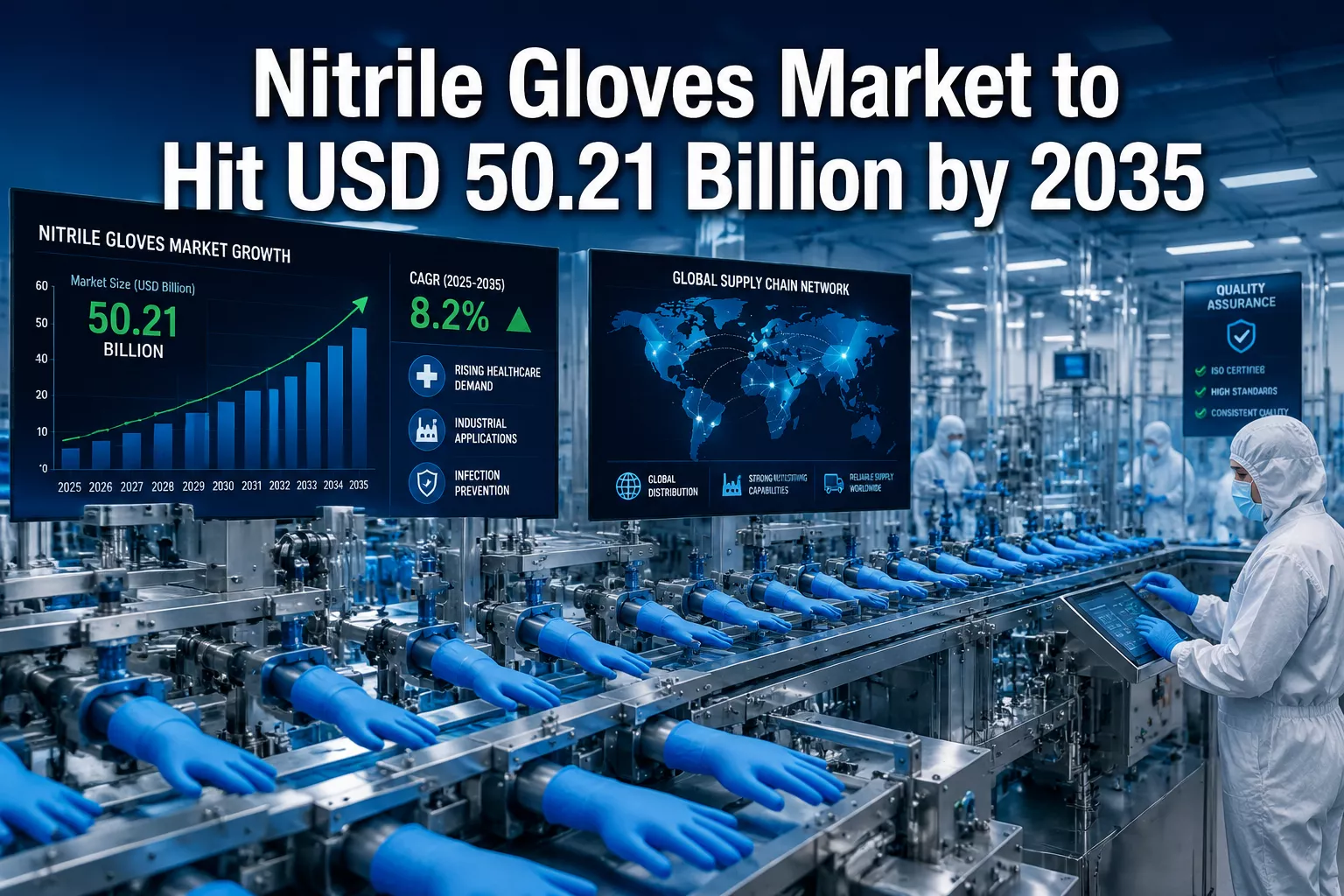
✅ Market Growth: The Nitrile Gloves Market to Hit USD 50.21 Billion by 2035 represents a compound annual growth rate (CAGR) of approximately 8-9.64% from 2026 baseline estimates of USD 5.72-6.07 billion
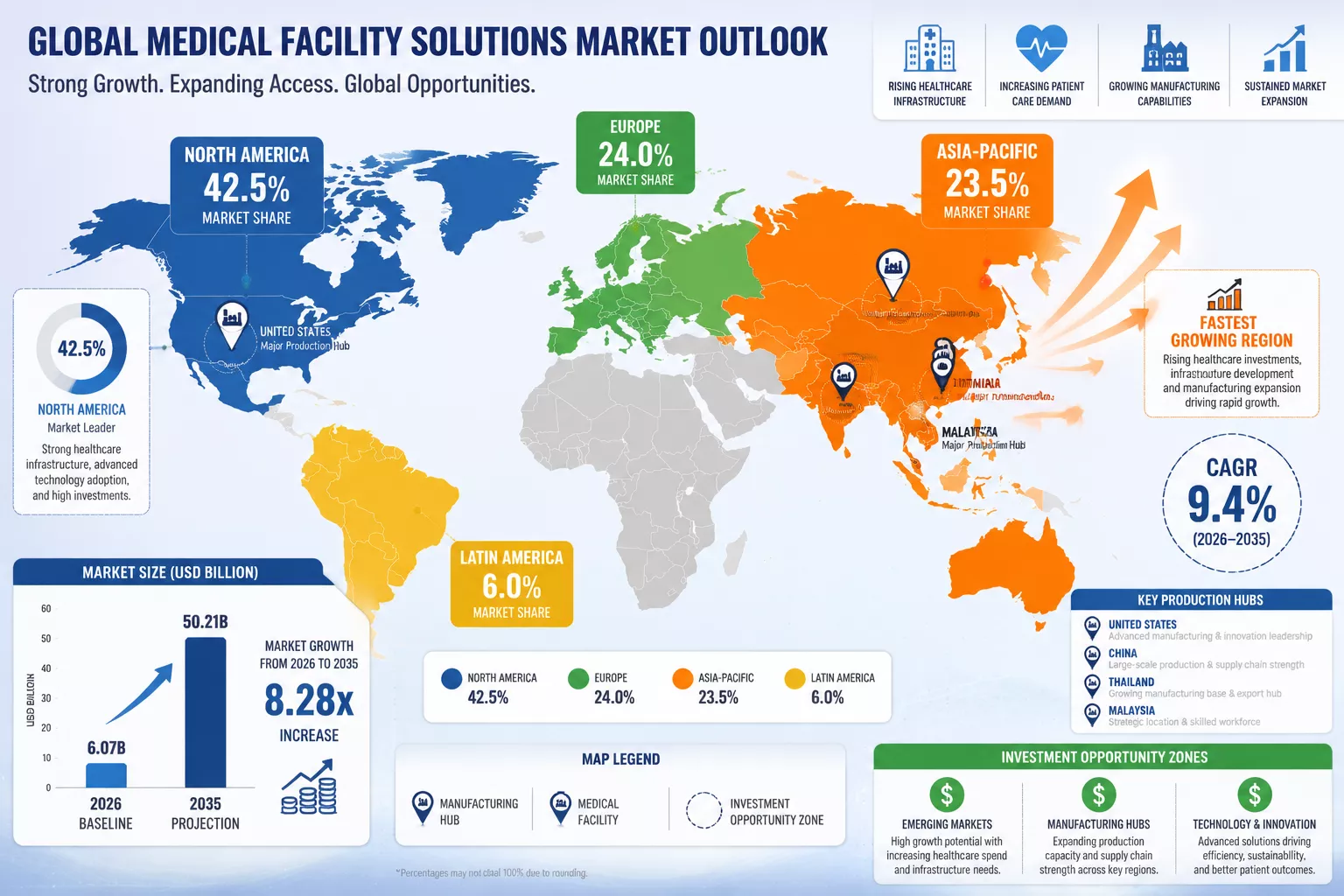
✅ Regional Dominance: North America commands 36-42.5% market share, while Asia-Pacific emerges as the fastest-growing region with expanding production capacity
✅ Product Evolution: Powder-free nitrile gloves will capture 81.2% of market share by 2035, driven by allergy concerns and superior performance characteristics
✅ Investment Activity: Major players like Medline Industries committed USD 300 million in December 2023 to expand U.S. production, signaling strong industry confidence
✅ Strategic Opportunities: Bulk buyers can capitalize on supply chain diversification, quality differentiation, and emerging sustainability standards
Understanding the Market Trajectory Behind the USD 50.21 Billion Forecast
The Nitrile Gloves Market to Hit USD 50.21 Billion by 2035 projection reflects fundamental shifts in global healthcare infrastructure and industrial safety standards. Current 2026 estimates place the market between USD 5.72 billion and USD 6.07 billion, indicating a nearly 8-9x growth potential over the next decade.
Market Size Discrepancies Explained
Research methodologies vary significantly across firms, creating valuation ranges from USD 5.27 billion to USD 34 billion for 2025. These differences stem from:
- Scope variations (medical-only vs. industrial applications)
- Geographic coverage (regional vs. global calculations)
- Product segmentation (disposable vs. reusable classifications)
- Currency fluctuations and base year adjustments
Despite these variances, the consistent CAGR range of 8-9.64% across multiple sources validates the robust growth trajectory. Understanding what makes nitrile gloves suitable for different environments helps explain their expanding market appeal.
Key Growth Drivers Powering Market Expansion
🏥 Healthcare Sector Expansion: Hospital-associated infections and aging populations drive demand for infection control products
🏭 Industrial Safety Regulations: Stricter workplace safety standards mandate protective equipment across manufacturing, automotive, and food processing sectors
🔬 Technological Advancements: Improved manufacturing processes reduce costs while enhancing durability and tactile sensitivity
🌍 Supply Chain Resilience: Post-pandemic emphasis on domestic production and diversified sourcing creates new capacity investments
Regional Market Dynamics: Where Investment Opportunities Concentrate
North America: The Dominant Market Leader
North America maintains 36-42.5% global market share, driven by:
- Stringent healthcare regulations and infection control protocols
- High per-capita healthcare spending (averaging USD 12,000+ annually)
- Robust pharmaceutical and biotechnology sectors
- Growing awareness of latex allergy risks driving nitrile adoption
The December 2023 announcement by Medline Industries of a USD 300 million investment to strengthen U.S. healthcare supply chains demonstrates institutional confidence in sustained demand growth.
Asia-Pacific: The Fastest-Growing Frontier
Asia-Pacific represents the highest growth potential through 2035, characterized by:
- Manufacturing Hub Status: Malaysia, Thailand, and China dominate global production capacity
- Rising Healthcare Access: Expanding middle-class populations increase medical service utilization
- Cost Advantages: Lower labor and production costs maintain competitive pricing
- Government Support: Policy initiatives promoting medical device manufacturing
Europe and Emerging Markets
European markets emphasize sustainability and quality certifications, creating premium product segments. Latin America and Middle East regions show accelerating adoption driven by healthcare infrastructure investments and industrial development.
Product Segmentation: Strategic Insights for Bulk Buyers
Powder-Free Dominance Reshapes Market Composition
The powder-free segment will capture 81.2% market share by 2035, growing at 10.2% CAGR. This shift reflects:
- Elimination of cornstarch powder that can cause respiratory issues
- Reduced contamination risks in medical and food applications
- Superior manufacturing technologies enabling powder-free production
- Regulatory preferences in healthcare settings
Buyers should prioritize powder-free specifications to align with long-term market trends. Understanding potential allergic reactions to nitrile gloves remains important despite their hypoallergenic advantages over latex.
Disposable vs. Reusable: Market Split Analysis
Disposable gloves account for 63.6% of the market, expanding at 9.8% CAGR through 2033. This segment dominates due to:
- Infection control requirements in medical settings
- Convenience and hygiene in food service applications
- Cost-effectiveness for high-volume users
- Elimination of cleaning and maintenance expenses
Reusable industrial gloves serve specialized applications requiring enhanced thickness and durability, particularly in automotive and chemical handling sectors.
Medical vs. Industrial Application Segments
The Medical & Healthcare segment leads market growth, driven by:
- Surgical and examination glove requirements
- Dental and laboratory applications
- Home healthcare expansion
- Infection prevention protocols
Industrial applications span automotive repair, food processing, janitorial services, and chemical handling. Specialized products like mechanic nitrile gloves address specific performance requirements including oil resistance and grip enhancement.
Investment Opportunities in the Nitrile Gloves Market to Hit USD 50.21 Billion by 2035
Manufacturing Capacity Expansion
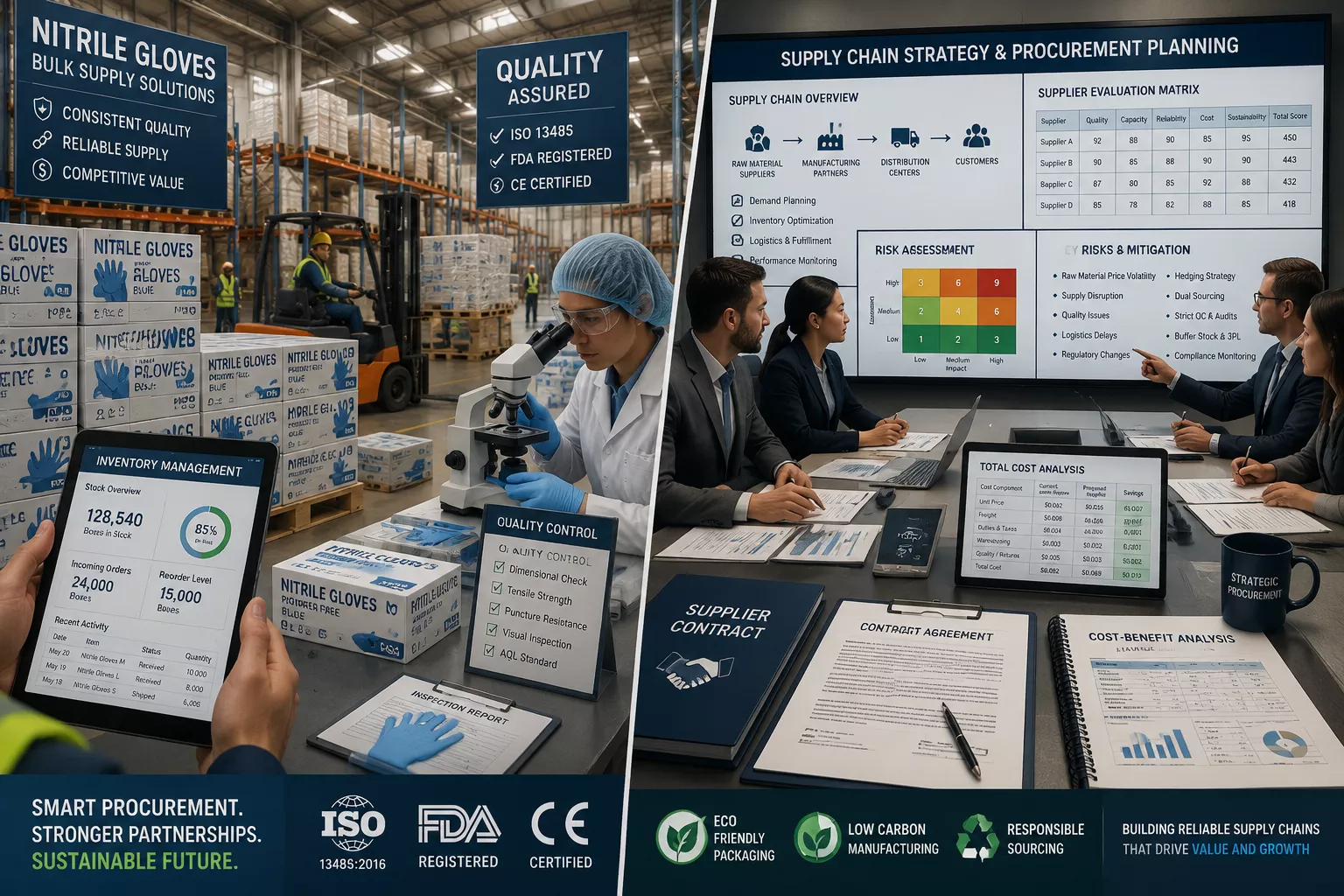
The USD 300 million Medline investment exemplifies strategic capacity building. Investment opportunities include:
- Domestic Production Facilities: Reducing import dependency and transportation costs
- Automation Technologies: Improving production efficiency and quality consistency
- Sustainable Manufacturing: Developing biodegradable formulations and recycling programs
- Vertical Integration: Controlling raw material supply chains (acrylonitrile, butadiene)
Supply Chain Diversification Strategies
Post-pandemic supply disruptions highlighted concentration risks. Smart investors focus on:
- Multi-Regional Sourcing: Balancing Asian production with North American and European capacity
- Inventory Optimization: Strategic stockpiling balanced against storage costs
- Supplier Relationship Management: Long-term contracts with quality-certified manufacturers
- Risk Mitigation: Contingency planning for raw material shortages or geopolitical disruptions
Technology and Innovation Investments
Emerging opportunities include:
- Smart Gloves: Integrated sensors for contamination detection
- Eco-Friendly Materials: Plant-based nitrile alternatives addressing recycling challenges
- Customization Technologies: On-demand sizing and thickness specifications
- Quality Assurance Systems: AI-powered defect detection and compliance monitoring
Buyer Strategies: Capitalizing on Market Growth
Procurement Best Practices for Bulk Buyers
Volume Negotiation Tactics:
- Leverage multi-year contracts for price stability
- Consolidate purchasing across organizational units
- Request performance guarantees and quality certifications
- Negotiate flexible delivery schedules matching consumption patterns
Quality Verification Protocols:
- Require ISO 13485 (medical devices) and ISO 9001 (quality management) certifications
- Conduct regular batch testing for tensile strength and barrier integrity
- Verify compliance with FDA, CE, or regional regulatory standards
- Assess glove durability and shelf life specifications
Cost-Benefit Analysis Framework
Evaluate total cost of ownership beyond unit price:
| Cost Factor | Consideration | Impact |
|---|---|---|
| Unit Price | Volume discounts, contract terms | Direct cost |
| Quality | Defect rates, performance consistency | Replacement costs |
| Logistics | Shipping, storage, handling | Indirect costs |
| Compliance | Regulatory adherence, certifications | Risk mitigation |
| Sustainability | Disposal costs, environmental impact | Long-term liability |
Specialized Application Considerations
Different use cases require tailored specifications:
- Healthcare Settings: Prioritize powder-free, textured grip, and appropriate thickness (4-6 mil for examination, 8+ mil for surgical)
- Food Service: Ensure food-safe certifications and appropriate sizing options
- Industrial Applications: Select oil-resistant formulations and enhanced puncture resistance
- Laboratory Work: Verify chemical compatibility and tactile sensitivity
Sustainability and Corporate Responsibility
Forward-thinking buyers incorporate environmental considerations:
- Partner with manufacturers implementing waste reduction programs
- Explore biodegradable or recyclable product options
- Calculate carbon footprint of supply chain logistics
- Support suppliers with ethical labor practices and certifications
Competitive Landscape and Market Consolidation Trends
Major players dominating the Nitrile Gloves Market to Hit USD 50.21 Billion by 2035 include:
- Top Glove Corporation (Malaysia): World’s largest manufacturer
- Hartalega Holdings (Malaysia): Innovation leader in nitrile technology
- Ansell Limited (Australia): Premium industrial and medical segments
- Medline Industries (USA): Expanding domestic production capacity
- Supermax Corporation (Malaysia): High-volume production specialist
Strategic Partnerships and M&A Activity
Market consolidation accelerates as companies seek:
- Vertical Integration: Acquiring raw material suppliers
- Geographic Expansion: Establishing production in key consumption markets
- Technology Acquisition: Purchasing innovative manufacturing processes
- Distribution Networks: Expanding direct-to-customer capabilities
Regulatory Environment and Compliance Considerations
Global Standards and Certifications
Buyers must navigate complex regulatory landscapes:
- FDA 510(k) Clearance (USA): Required for medical device classification
- CE Marking (Europe): Conformity with EU health and safety standards
- ISO 13485: Medical device quality management systems
- ASTM Standards: Performance specifications for barrier protection
Emerging Regulatory Trends
Anticipated developments through 2035:
- Stricter environmental disposal regulations
- Enhanced supply chain transparency requirements
- Expanded allergen labeling and safety warnings
- Standardized sustainability reporting metrics
Risk Factors and Market Challenges
Supply Chain Vulnerabilities
Potential disruptions include:
- Raw Material Shortages: Acrylonitrile and butadiene supply constraints
- Geopolitical Tensions: Trade restrictions affecting Asian production hubs
- Transportation Bottlenecks: Shipping delays and cost fluctuations
- Energy Costs: Manufacturing expense volatility impacting pricing
Competitive Pressures
Market saturation risks in mature segments may drive:
- Price Competition: Margin compression in commodity products
- Quality Differentiation: Premium positioning strategies
- Innovation Requirements: Continuous product improvement investments
- Market Fragmentation: Niche player emergence in specialized applications
Technological Disruption Potential
Alternative technologies could impact demand:
- Advanced reusable glove materials with superior durability
- Antimicrobial coatings reducing single-use requirements
- Robotic automation reducing human contact needs in certain applications
Conclusion
The Nitrile Gloves Market to Hit USD 50.21 Billion by 2035 represents a compelling growth story driven by healthcare expansion, industrial safety requirements, and technological innovation. With current 2026 valuations between USD 5.72-6.07 billion, the projected 8-9x growth over the next decade creates substantial opportunities for strategic investors and bulk buyers.
Actionable Next Steps for Stakeholders
For Investors:
- Evaluate manufacturing capacity expansion opportunities in North America and Europe
- Research companies with sustainable production technologies and vertical integration strategies
- Monitor regulatory developments affecting market access and compliance costs
For Bulk Buyers:
- Conduct comprehensive supplier audits focusing on quality certifications and production capacity
- Negotiate multi-year contracts with price escalation clauses tied to raw material indices
- Diversify sourcing across geographic regions to mitigate supply chain risks
- Prioritize powder-free, disposable products aligned with long-term market trends
For Industry Participants:
- Invest in automation and quality control technologies to maintain competitive advantages
- Develop sustainability initiatives addressing recycling challenges and environmental concerns
- Expand product portfolios serving specialized applications like food service and agricultural industries
The convergence of demographic trends, regulatory requirements, and technological capabilities positions the nitrile gloves market for sustained expansion. Organizations that strategically position themselves today—through smart procurement, supply chain diversification, and quality differentiation—will capture disproportionate value as the market scales toward the USD 50.21 billion milestone by 2035. 🧤📈