Last updated: April 11, 2026
Quick Answer
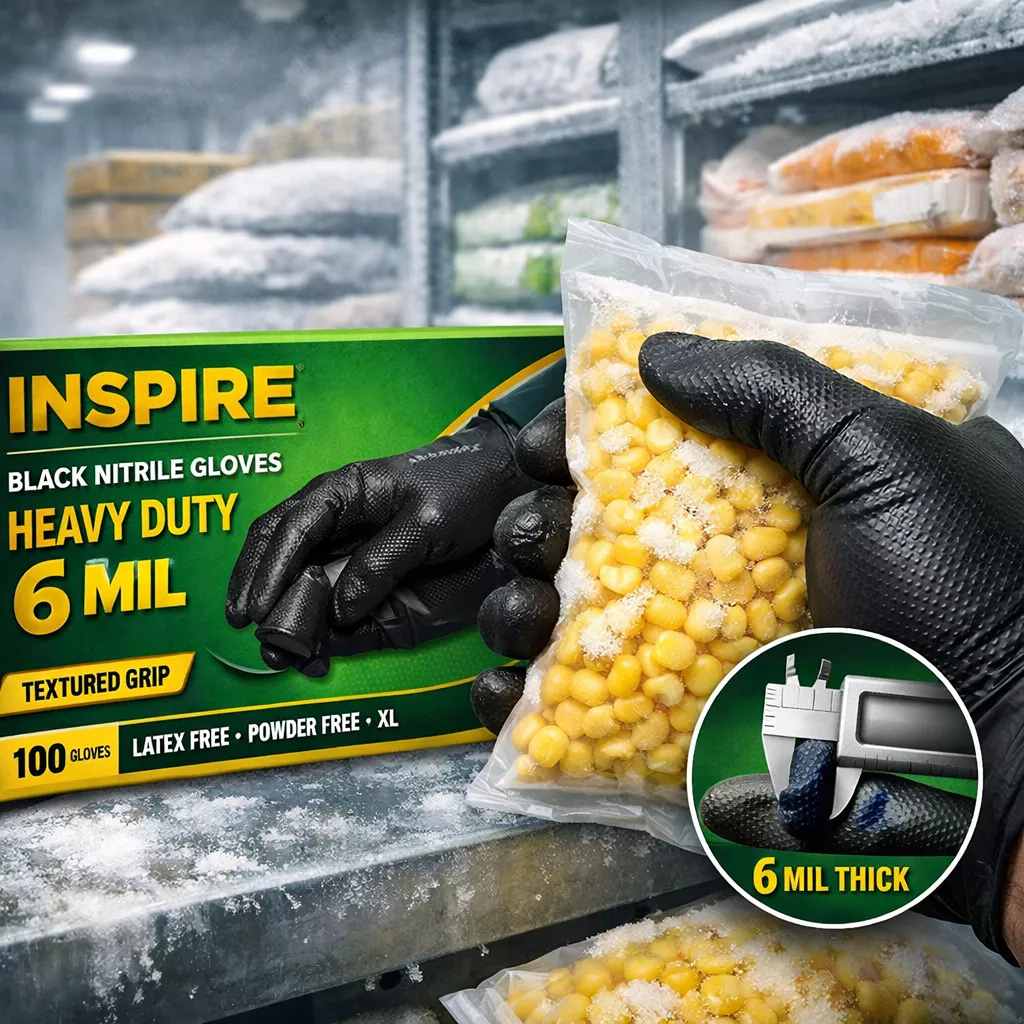
The Inspire Black Nitrile Gloves (6 mil) deliver solid hand protection for cold storage workers at $14.44 per box, offering chemical resistance and puncture protection suitable for pig slaughterhouses and seafood sorting facilities. These disposable gloves provide adequate dexterity for floor handling tasks while maintaining barrier protection in wet, cold environments, though they lack specific cold-temperature ratings that some industrial operations require.
Key Takeaways
- 6 mil thickness provides better puncture resistance than standard 4-5 mil disposable gloves, important when handling sharp objects or rough surfaces in cold rooms
- Black color masks stains and maintains professional appearance throughout shifts in meat processing or seafood facilities
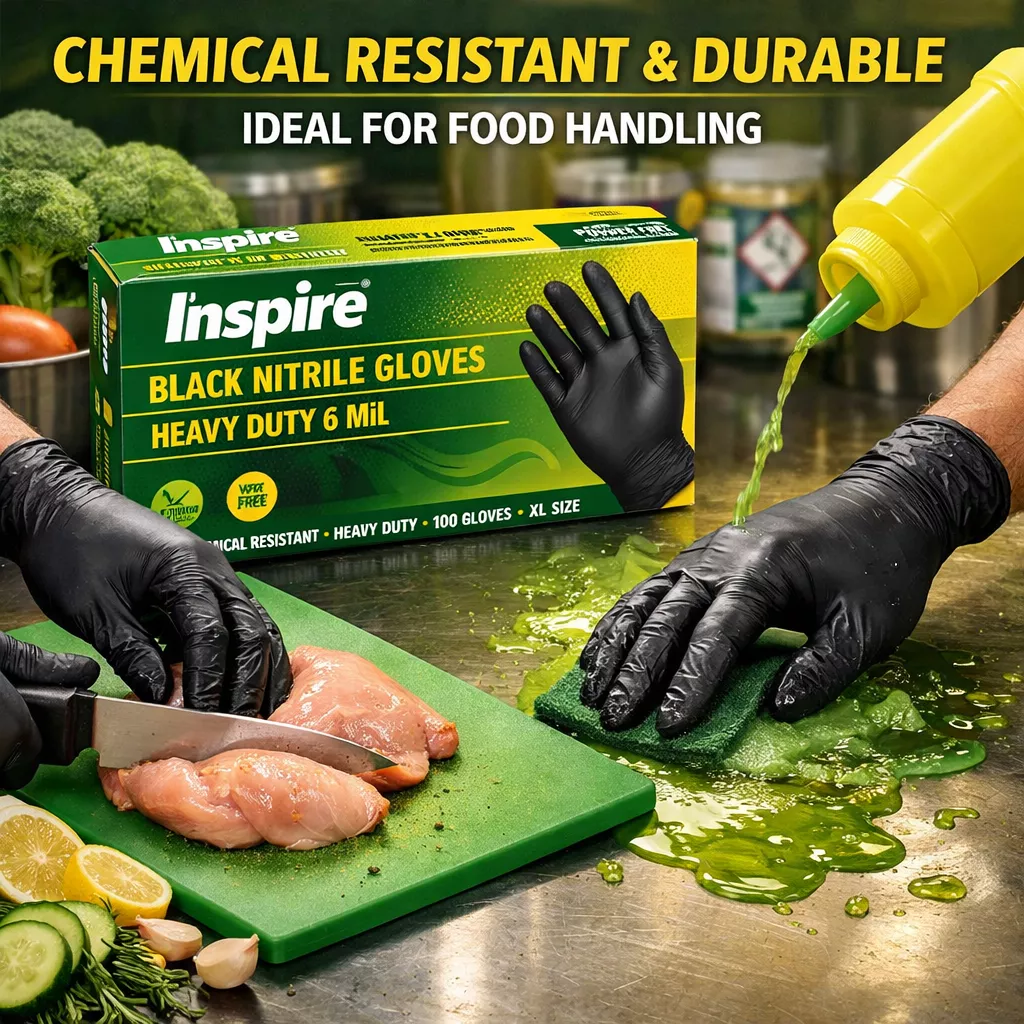
- Chemical-resistant nitrile construction protects against cleaning agents, blood, oils, and organic materials common in cold storage environments
- Textured surface improves grip on wet or icy surfaces, reducing slip hazards when handling equipment or materials
- Priced competitively at $14.44 per box, making them cost-effective for high-volume operations
- Powder-free design eliminates contamination concerns for food handling applications
- Not specifically rated for extreme cold temperatures below freezing, which may affect flexibility in sub-zero environments
- Disposable design reduces cross-contamination risks between work areas
What Are Inspire Black Nitrile Gloves and Why They Matter for Cold Storage Workers
Inspire Black Nitrile Gloves are heavy-duty disposable gloves designed for workers who need reliable hand protection in demanding environments. At 6 mil thickness, these gloves sit between standard disposable gloves (typically 4-5 mil) and industrial-grade options (8-10 mil), offering a practical middle ground for cold storage operations.
For workers handling floors in pig slaughterhouses or seafood sorting factories, hand protection isn’t optional. You’re exposed to biological materials, harsh cleaning chemicals, cold temperatures, and sharp or abrasive surfaces throughout your shift. The right gloves prevent direct skin contact with contaminants, reduce injury risk from cuts or punctures, and maintain hygiene standards required in food processing facilities.
These gloves address a specific challenge: finding disposable protection that’s thick enough to resist tears and punctures but flexible enough to maintain dexterity when handling tools, equipment, or performing detailed tasks. Nitrile gloves have become the standard in food processing because they’re latex-free (eliminating allergy concerns) and provide superior chemical resistance compared to vinyl alternatives.
The black color serves a practical purpose beyond aesthetics. In environments where you’re handling blood, oils, or other materials that stain, black gloves maintain a cleaner appearance throughout your shift. This matters for worker morale and professional presentation, especially in facilities with regular inspections or visitor access.
Detailed Analysis of Key Features
6 Mil Thickness: The Durability Factor
The 6 mil thickness is the defining characteristic of these gloves. Standard disposable nitrile gloves typically measure 4-5 mil, which works fine for light-duty tasks but can tear or puncture when you’re working with rough surfaces, sharp edges, or abrasive materials common in cold storage facilities.
In practical terms, this extra thickness means you can handle metal equipment, scrub floors with abrasive pads, or work around bone fragments and sharp seafood shells with reduced risk of glove failure. The trade-off is slightly reduced tactile sensitivity compared to thinner gloves, but for floor handling and general maintenance work, this isn’t a significant limitation.
The thickness also provides better insulation against cold surfaces, though it’s important to understand that nitrile gloves aren’t designed as thermal protection. They’ll reduce direct contact with cold metal or frozen materials, but they won’t keep your hands warm in prolonged exposure to sub-zero temperatures. For extended work in freezers below 0°F (-18°C), you’d need insulated gloves worn over or instead of these disposables.
Chemical Resistance for Cleaning and Sanitation
Cold storage facilities require frequent cleaning and sanitation, exposing workers to various chemicals including chlorine-based sanitizers, quaternary ammonium compounds, acids, and degreasers. Nitrile provides excellent resistance to these common cleaning agents, maintaining barrier protection where vinyl gloves might degrade.
The chemical resistance extends to organic materials you encounter in meat processing and seafood handling: blood, fats, oils, and proteins. This matters because these substances can compromise glove integrity over time, and you need consistent protection throughout your shift. Understanding chemical resistance is crucial when selecting gloves for food plants, as different materials offer varying levels of protection.
However, chemical resistance isn’t unlimited. Prolonged exposure to strong solvents or concentrated acids can eventually penetrate nitrile. If your work involves extended contact with harsh chemicals, you should change gloves regularly rather than relying on a single pair for an entire shift.
Textured Grip Surface
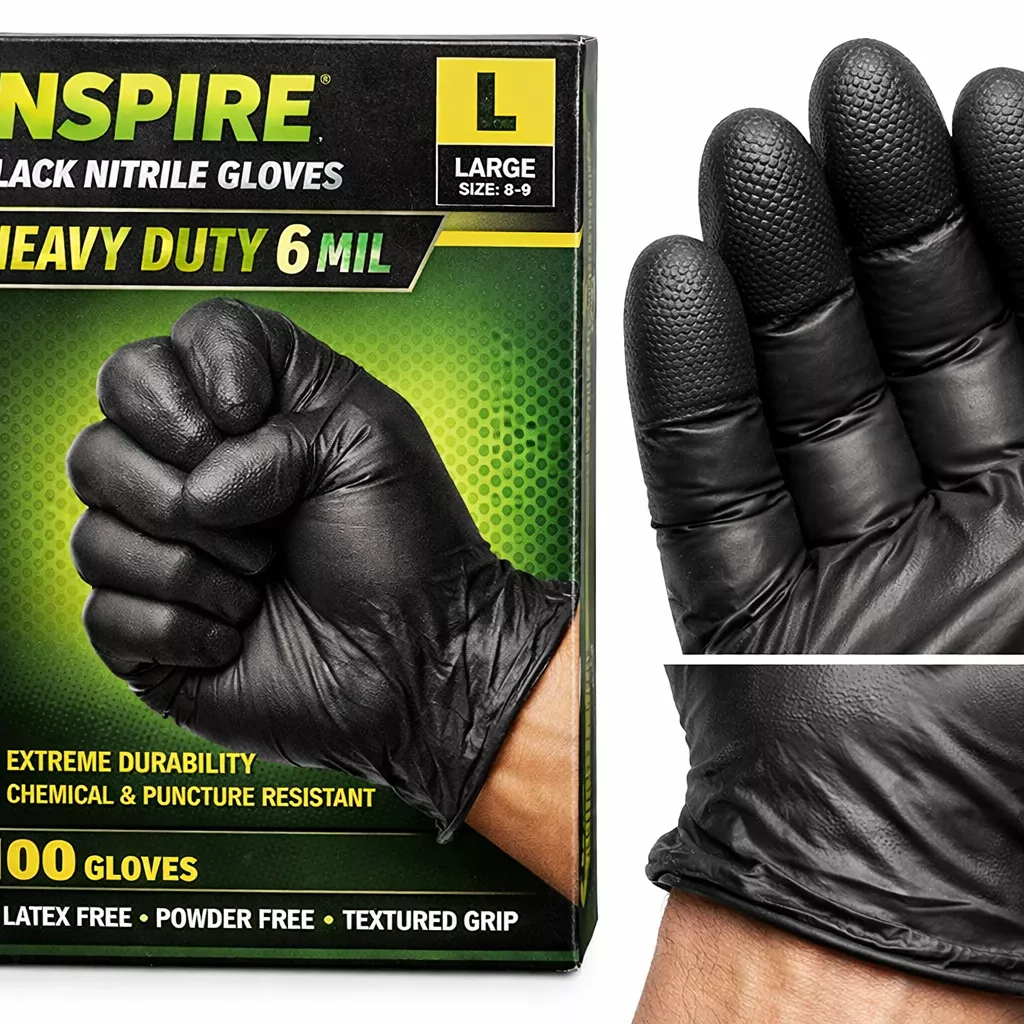
The textured surface on these gloves addresses a critical safety concern in cold storage environments: maintaining grip on wet, slippery, or icy surfaces. The micro-textured pattern increases friction, helping you hold tools, equipment, and materials securely even when surfaces are damp or coated with condensation.
This feature becomes especially important when handling cleaning equipment, moving carts, or operating machinery in cold rooms where moisture accumulates on every surface. Without adequate grip, you risk dropping equipment, losing control of tools, or experiencing hand fatigue from gripping too tightly to compensate for slippage.
The texture covers the entire glove surface, including fingertips and palm areas. This differs from some gloves that only texture the palm, providing more consistent grip regardless of how you’re holding objects. Several techniques can further enhance grip when wearing nitrile gloves, but starting with a well-textured glove makes a significant difference.
Black Color: Practical and Professional
The black color choice serves multiple practical purposes in cold storage environments. First, it masks stains from blood, oils, and other materials that would be highly visible on blue, white, or purple gloves. This maintains a more professional appearance and reduces the psychological impact of working with materials that can be visually unpleasant.
Second, black gloves make it easier to spot contamination or damage. Tears, punctures, or areas where the glove has worn thin become more visible against the dark background, helping you identify when it’s time to change gloves before contamination occurs.
Third, in facilities that use color-coded systems for different work areas or tasks, black gloves can be designated for specific operations like floor maintenance or cleaning, reducing cross-contamination risks. This organizational approach helps maintain food safety protocols and simplifies training for new workers.
Powder-Free Construction
These gloves are powder-free, which is essential for food handling applications. Older glove designs used cornstarch powder to make them easier to put on, but this powder can contaminate food products, cause respiratory irritation, and create slip hazards when it accumulates on floors.
Powder-free gloves use polymer coatings or chlorination processes to make them easy to don without powder. This eliminates contamination concerns and makes them suitable for direct food contact applications, though you should verify that any gloves used in food processing meet relevant food safety standards for your specific operation.
The powder-free design also benefits workers with sensitive skin or respiratory conditions, as powder can irritate airways or exacerbate skin conditions when trapped against the skin for extended periods.
Hands-On Performance in Cold Storage Environments
Putting Them On and Taking Them Off
The gloves don reasonably easily despite being powder-free, though you’ll want dry hands for the smoothest experience. If your hands are damp from washing or sweating, they can stick slightly during application. This is normal for powder-free nitrile gloves and improves once you’ve worn them for a minute as body heat helps them conform to your hands.
The cuff extends about 9.5 inches from fingertip to edge, providing adequate wrist coverage to prevent liquids or debris from entering the glove during work. This length works well under the sleeves of most work jackets or coveralls, creating an overlapping barrier.
Removal requires care to avoid contaminating your hands with whatever’s on the glove exterior. The standard technique is to pinch the outside of one glove near the wrist, pull it off while turning it inside out, then use your ungloved hand to slide under the cuff of the remaining glove and remove it inside-out. This keeps contaminated surfaces contained.
Dexterity and Tactile Sensitivity
At 6 mil thickness, these gloves provide adequate dexterity for most cold storage tasks including operating equipment controls, handling tools, and performing cleaning operations. You can feel what you’re holding well enough to work safely, though fine manipulation of small objects (like picking up individual screws or operating touchscreens) becomes more challenging compared to thinner gloves.
For floor handling work, this level of dexterity is appropriate. You’re typically working with larger equipment, tools, and materials where the extra protection outweighs the slight reduction in sensitivity. If your work requires frequent fine motor tasks, you might prefer thinner gloves for those specific activities and reserve these heavier gloves for more demanding work.
The gloves maintain flexibility in typical cold storage temperatures (32-40°F or 0-4°C), though they do stiffen slightly in colder conditions. In freezers operating below 0°F (-18°C), you’ll notice reduced flexibility, which is a characteristic of nitrile material rather than a defect specific to these gloves.
Durability During Typical Shifts
For floor handling and general maintenance work in cold storage facilities, these gloves typically last 2-4 hours of continuous use before showing signs of wear. This duration varies significantly based on your specific tasks. If you’re primarily handling smooth equipment and performing light cleaning, you might get a full shift from a single pair. If you’re scrubbing rough surfaces, handling sharp objects, or working with abrasive materials, you’ll need to change gloves more frequently.
The most common failure points are fingertips and the webbing between thumb and forefinger, where stress concentrates during gripping and manipulation. Inspect these areas periodically during your shift, especially after handling sharp or rough objects. Understanding how long you can safely wear nitrile gloves helps you develop appropriate change schedules for your specific work environment.
One practical consideration: the 6 mil thickness means these gloves are more resistant to accidental tears from snagging on equipment or rough surfaces compared to thinner alternatives. This durability reduces the frustration of frequent glove changes and the cost of wasted gloves that fail prematurely.
Performance with Moisture and Cold
In cold storage environments, condensation is constant. These gloves maintain their integrity when wet, which is essential because you’ll be working with damp surfaces, handling wet materials, and potentially washing equipment throughout your shift. The nitrile material doesn’t absorb water, so the gloves don’t become heavy or lose their protective properties when wet.
However, moisture inside the gloves is a different issue. If your hands sweat during physical work, moisture can accumulate inside the gloves, reducing comfort and potentially causing skin irritation during extended wear. Some workers address this by wearing thin cotton glove liners underneath, though this adds cost and reduces dexterity slightly.
The cold temperature performance is adequate for typical cold storage work above freezing, but these gloves aren’t designed for extreme cold. In deep freeze environments (-10°F/-23°C or colder), nitrile becomes stiff and brittle, increasing the risk of cracking or tearing. For those conditions, you’d need specialized cold-temperature gloves or insulated options.
Pros and Cons: Honest Assessment
✅ What We Love
Excellent puncture and tear resistance. The 6 mil thickness provides noticeably better protection than standard disposable gloves when working around sharp objects, rough surfaces, or abrasive materials common in cold storage facilities.
Strong chemical resistance. These gloves protect against the cleaning agents, sanitizers, and organic materials you encounter in meat processing and seafood handling, maintaining barrier integrity throughout typical exposure periods.
Effective textured grip. The surface texture provides reliable grip on wet, slippery, or cold surfaces, reducing the risk of dropping equipment or losing control of tools in challenging conditions.
Professional appearance. The black color masks stains and maintains a clean appearance throughout shifts, which matters for worker morale and facility presentation during inspections.
Cost-effective for high-volume use. At $14.44 per box, these gloves offer good value for operations that go through large quantities of disposable gloves, balancing protection with reasonable cost.
Latex-free construction. Eliminates allergy concerns for workers with latex sensitivities, making them suitable for diverse workforces without requiring special accommodations.
Powder-free design. Prevents contamination of food products and eliminates respiratory irritation concerns associated with powdered gloves.
❌ What Could Be Better
No specific cold-temperature rating. The manufacturer doesn’t provide performance specifications for extreme cold environments, making it unclear how well these gloves perform in deep freeze conditions below 0°F (-18°C).
Limited sizing information. The product listing doesn’t clearly specify the sizing range or provide detailed measurements, making it difficult to ensure proper fit before ordering, especially for workers with particularly large or small hands.
Reduced tactile sensitivity. The 6 mil thickness, while providing better protection, reduces fine touch sensitivity compared to thinner gloves, which can be a limitation for tasks requiring precise manipulation.
Potential for moisture accumulation. Like most disposable nitrile gloves, these can trap sweat inside during physical work, potentially causing discomfort during extended wear in warmer areas of facilities.
Single-use design creates waste. While disposable gloves are necessary for hygiene in food processing, the environmental impact of single-use plastics is a concern for sustainability-focused operations.
Ambiguous food safety certifications. The product description mentions food handling but doesn’t clearly specify compliance with FDA or other food safety standards, requiring additional verification for regulated operations.
Who Should Buy These Gloves?
These gloves are ideal for cold storage workers who need reliable hand protection during physically demanding tasks in meat processing, seafood handling, or similar food production environments. Specifically, you should consider these gloves if you:
Work in floor maintenance or sanitation roles where you’re exposed to cleaning chemicals, biological materials, and rough surfaces throughout your shift. The 6 mil thickness and chemical resistance provide appropriate protection for these demanding applications.
Need disposable gloves that balance protection with dexterity for general cold storage work including equipment operation, material handling, and facility maintenance. The thickness is appropriate for workers who aren’t performing highly detailed tasks but need more protection than standard disposable gloves offer.
Operate in facilities where professional appearance matters and stain visibility on gloves would be problematic. The black color maintains a cleaner look throughout shifts compared to lighter-colored alternatives.
Have latex allergies or work in facilities that have eliminated latex products to accommodate sensitive workers. Nitrile gloves are safe for latex allergy sufferers and provide comparable or superior performance in most applications.
Work in environments with frequent exposure to moisture, condensation, or wet materials where glove integrity in damp conditions is essential. The nitrile construction maintains protection when wet, unlike some alternatives that degrade.
Need cost-effective protection for high-volume operations where workers go through multiple pairs of gloves per shift. The price point makes these practical for facilities with significant glove consumption.
Who Should Skip These Gloves?
These gloves aren’t the right choice for every cold storage application. You should look for alternatives if you:
Work primarily in deep freeze environments below 0°F (-18°C) where extreme cold causes nitrile to become brittle and lose flexibility. You’d need gloves specifically rated for extreme cold temperatures or insulated options designed for freezer work.
Require gloves for highly detailed work requiring maximum tactile sensitivity, such as quality inspection, precise equipment adjustments, or fine assembly tasks. Thinner gloves (4-5 mil) would provide better sensitivity for these applications.
Need extended wear times beyond 4-6 hours without glove changes. While these gloves are durable, they’re still disposable and not designed for all-day wear in demanding conditions. Reusable industrial gloves might be more appropriate for extended use.
Work in facilities with strict requirements for specific food safety certifications or chemical resistance ratings. The product information doesn’t clearly specify compliance with particular standards, so you’d need to verify suitability or choose gloves with explicit certifications.
Have particularly large or small hands that fall outside standard sizing ranges. Without detailed sizing information, you risk ordering gloves that don’t fit properly, which compromises both protection and dexterity.
Prioritize environmental sustainability and want to minimize single-use plastic waste. While disposable gloves are often necessary for food safety, operations focused on sustainability might prefer reusable options where appropriate or seek gloves made from more sustainable materials.
Need gloves with specific features like extended cuffs for forearm protection, reinforced fingertips for extra durability in high-wear areas, or antimicrobial treatments. These are standard disposable gloves without specialized features.
How to Get the Best Deal and Maximize Value
At $14.44 per box, these gloves are competitively priced for 6 mil heavy-duty nitrile gloves, but you can maximize value with strategic purchasing and use:
Buy in bulk when possible. Many suppliers offer volume discounts for multi-box purchases. If you have storage space and predictable consumption rates, buying larger quantities can reduce per-glove costs significantly. Calculate your monthly usage and consider purchasing a month’s supply at once.
Compare per-glove costs, not just box prices. Boxes contain different quantities (commonly 50, 100, or 200 gloves), so calculate the cost per glove to make accurate comparisons. At $14.44 for what appears to be a 100-count box, you’re paying about $0.14 per glove, which is reasonable for this thickness.
Implement proper glove change protocols. Train workers to change gloves when necessary for safety and hygiene but avoid unnecessary waste. Establish clear guidelines for when glove changes are required (after handling raw materials, before moving to clean areas, when gloves are visibly damaged) versus when they can continue wearing the same pair.
Store gloves properly to prevent degradation. Keep boxes in cool, dry areas away from direct sunlight and heat sources. Improper storage can cause nitrile to degrade prematurely, reducing shelf life and performance. Most nitrile gloves have a shelf life of 3-5 years when stored correctly.
Size workers properly to reduce waste. Ill-fitting gloves tear more easily and provide less protection, leading to more frequent changes. Take time to determine correct sizes for each worker rather than ordering one-size-fits-all, even though this requires maintaining multiple size inventories.
Consider task-based glove selection. You don’t need 6 mil gloves for every task. Use these for demanding work like floor maintenance and cleaning, but consider thinner, less expensive gloves for light-duty tasks where heavy protection isn’t necessary. This approach reduces costs without compromising safety.
Monitor for sales and promotions. Amazon and other suppliers periodically offer discounts on disposable gloves. If you have storage capacity, stock up during promotional periods, but be mindful of shelf life and actual usage rates to avoid buying more than you’ll use.
Frequently Asked Questions
How long can I wear these gloves during a typical shift?
You can typically wear these gloves for 2-4 hours of continuous use in cold storage environments, depending on your specific tasks. Change them sooner if they become damaged, heavily soiled, or after handling raw materials that require a transition to clean work areas. For light-duty tasks, they may last longer, but for intensive floor work or cleaning, plan on 2-3 glove changes per 8-hour shift.
Will these gloves keep my hands warm in freezer environments?
No, these gloves provide minimal thermal insulation and aren’t designed to keep hands warm in cold environments. They’ll reduce direct contact with cold surfaces, but your hands will still get cold during extended work in freezers. For warmth, you need insulated gloves specifically designed for cold environments, which you might wear over thin nitrile gloves if you also need chemical or contamination protection.
Are these gloves food-safe for direct contact with meat or seafood?
The product description indicates these gloves are suitable for food handling, but the listing doesn’t clearly specify FDA compliance or other food safety certifications. Before using them for direct food contact in regulated facilities, verify that they meet your specific regulatory requirements. Understanding whether nitrile gloves are food-safe requires checking for proper certifications for your application.
Can I reuse these gloves or wash them between uses?
No, these are single-use disposable gloves and should not be reused or washed. Washing can compromise the material integrity and create contamination risks. Once you remove them, dispose of them properly and use a fresh pair for your next task. Attempting to reuse disposable gloves defeats their purpose and can create safety and hygiene issues.
What size should I order if I’m between sizes?
Without detailed sizing information from the manufacturer, general guidance is to size up if you’re between sizes. Gloves that are too tight will tear more easily and cause hand fatigue, while slightly loose gloves are more manageable, though they reduce dexterity somewhat. If possible, order a small sample of different sizes to test fit before committing to bulk purchases.
Do these gloves work with touchscreens?
Standard nitrile gloves typically don’t work well with capacitive touchscreens because the material doesn’t conduct the electrical signals that touchscreens detect. At 6 mil thickness, these gloves are particularly unlikely to work with touchscreens. If you need to operate touchscreen equipment, you’ll need to remove a glove or use a stylus, or consider gloves specifically designed with conductive fingertips.
How do these compare to vinyl gloves for cold storage work?
Nitrile gloves significantly outperform vinyl for cold storage applications. Nitrile provides better puncture resistance, chemical resistance, and durability in cold, wet conditions. Vinyl gloves have several disadvantages for food prep including poor resistance to oils and fats common in meat processing. The higher cost of nitrile is justified by better protection and longer wear time.
Can I use these gloves if I have a latex allergy?
Yes, nitrile gloves are latex-free and safe for people with latex allergies. Nitrile is a synthetic rubber that doesn’t contain the proteins that cause latex allergic reactions. However, if you’ve experienced reactions to nitrile gloves in the past, you might have a sensitivity to chemical accelerators used in manufacturing rather than latex. Allergic reactions to nitrile gloves are rare but possible.
Final Verdict: Solid Protection at a Fair Price
The Inspire Black Nitrile Gloves deliver reliable hand protection for cold storage workers at a competitive price point. The 6 mil thickness strikes a practical balance between durability and dexterity, making these gloves well-suited for floor maintenance, cleaning, and general handling tasks in meat processing and seafood facilities.
These gloves excel at what they’re designed to do: provide chemical-resistant, puncture-resistant protection in demanding environments where workers encounter biological materials, cleaning agents, and rough surfaces. The textured grip and black color add practical benefits that matter during real-world use, and the latex-free construction eliminates allergy concerns.
The limitations are worth noting but not deal-breaking for most applications. The lack of specific cold-temperature ratings means you should test performance in your specific environment, especially if you work in deep freeze conditions. The reduced tactile sensitivity compared to thinner gloves is a reasonable trade-off for the added protection, though workers performing detailed tasks might prefer thinner options for those specific activities.
At $14.44 per box, these gloves offer good value for operations that consume large quantities of disposable gloves. They’re not the cheapest option available, but the extra thickness and durability mean you’ll likely use fewer gloves per shift compared to thinner alternatives that tear or puncture more easily.
Bottom line: If you work in cold storage environments handling floors, equipment, or materials in conditions where you need reliable protection from chemicals, biological materials, and physical hazards, these gloves are worth considering. They’re a solid mid-range option that should serve most cold storage workers well, provided you verify they meet any specific regulatory requirements for your facility and test them in your actual working conditions before committing to bulk purchases.
For workers seeking dependable hand protection that balances cost, durability, and performance in challenging cold storage environments, the Inspire Black Nitrile Gloves represent a practical choice that should meet the demands of daily work in meat processing, seafood handling, and similar food production facilities.
Related Reading
For more information about selecting and using nitrile gloves in food processing environments, explore these resources:
- 14 Things to Think About When Buying Nitrile or Latex Gloves for Food Plants
- 5 Uses for Nitrile Gloves
- Are Nitrile Gloves Safe for Food Handling?
- Best Practices for Nitrile Gloves: Protecting Hands Safely
- 6 Tricks to Enhance Grip with Nitrile Gloves
SEO Meta Title: Inspire Black Nitrile Gloves Review: Cold Storage Work
SEO Meta Description: In-depth review of Inspire 6 mil black nitrile gloves for cold storage workers in meat processing and seafood facilities. Performance, durability, and value analysis.