Introduction
Walk through a hospital, a burger kitchen, or a tattoo studio and the same thing stands out: rows of blue, black, and orange nitrile gloves ready to go. Over the last few decades, nitrile has quietly replaced latex as the main material for disposable gloves in many fields. That change happened because the most important uses for nitrile gloves demand strong, reliable, latex-free protection.
Nitrile gloves are made from synthetic nitrile butadiene rubber (NBR). They contain no natural rubber latex proteins and come in many thicknesses, usually from 2 to 8 mils, so they work for both delicate exams and heavy-duty industrial work. From exam rooms to auto bays, the wide range of uses for nitrile gloves shows how adaptable this material really is. They are also available in several cuff lengths and colors, which helps staff quickly pick the right glove for each task.
Nitrile Gloves Info exists to make those choices easier. The site brings together expert guidance and a full range of medical and industrial nitrile gloves, including heavy-duty options such as GLOVEWORKS HD Orange Nitrile Industrial Disposable Gloves. By the end of this article, you will understand the main uses for nitrile gloves in healthcare, food service, industrial work, and beauty settings, and you will know what to look for when choosing the right glove for your own tasks.
Disposable gloves may look simple, but picking the right material, thickness, and grade can make a major difference in both safety and comfort.
Why Nitrile Gloves Are the Gold Standard in Hand Protection
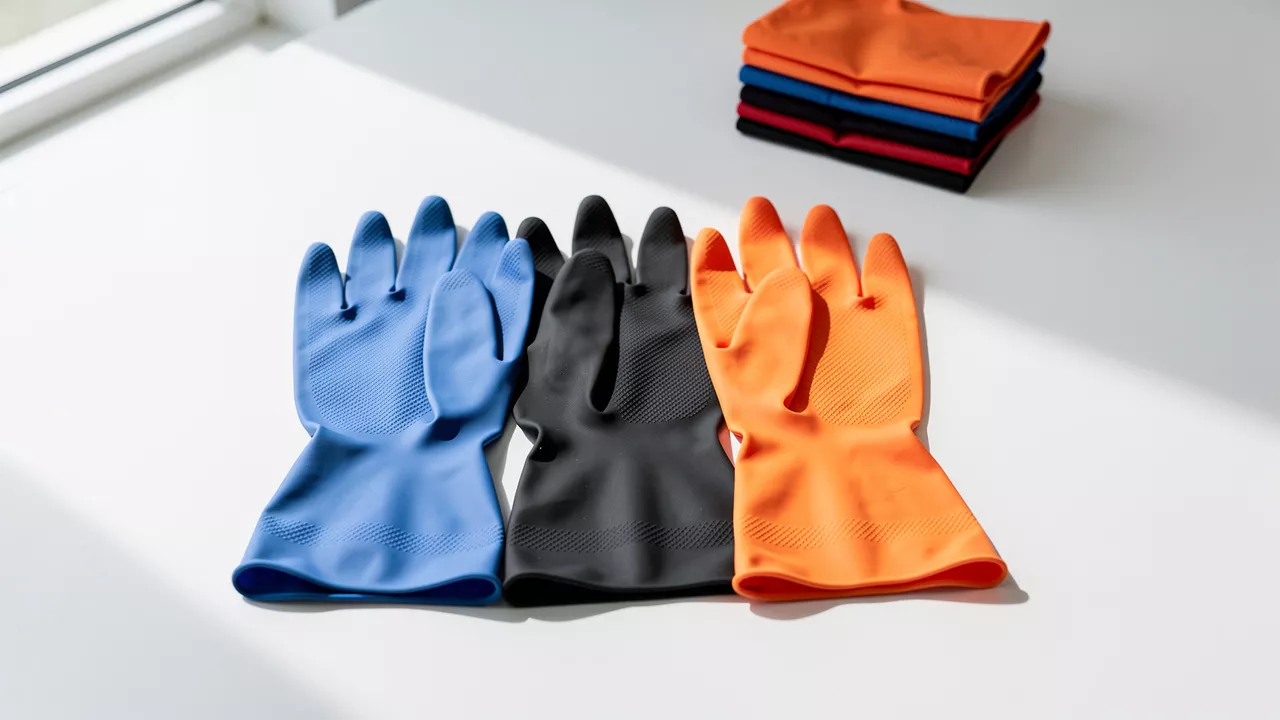
Before looking at specific jobs, it helps to understand why so many fields now prefer nitrile. Most important uses for nitrile gloves rely on a mix of strength, comfort, and safety that older materials struggle to match. That balance is what makes nitrile such a reliable choice.
Some of the main advantages of nitrile disposable gloves include:
High puncture resistance
Nitrile is up to three times more puncture resistant than natural latex rubber, and researchers have noted that nitrile and latex gloves each carry distinct material considerations worth understanding before selecting a glove type. When sharp instruments, metal edges, or broken glass are part of a task, this extra strength lowers the chance of sudden glove failure. Even thinner exam-grade gloves keep this strength, which is why so many clinical and lab settings have moved away from latex.Strong chemical resistance
Nitrile stands up well to oils, fuels, greases, many solvents, and a wide range of acids and bases. That makes the same basic material suitable for clinic disinfectants, shop degreasers, and factory chemicals.Latex-free construction
Because nitrile is fully synthetic and latex-free, it avoids the allergy problems that have pushed many facilities to ban latex. This is especially important in hospitals, dental offices, and food service, where staff and customers may not know they have a latex sensitivity.Comfort, grip, and dexterity
Modern manufacturing gives a soft, flexible fit with very good touch sensitivity, plus textured fingers or palms for grip, even when wet. Powder-free styles avoid dust and cut down on respiratory and skin irritation, while still making gloves easy to don and remove.Longer shelf life
Nitrile holds up in storage for around five years, while latex usually lasts about three. That longer shelf life is helpful for clinics, shops, and home users that keep extra gloves on hand.
For a quick view, compare the main points:
| Feature | Nitrile Gloves | Latex Gloves |
|---|---|---|
| Allergy risk | Very low, latex-free | Higher, latex proteins present |
| Puncture resistance | High | Moderate |
| Chemical resistance | Excellent with oils and many chemicals | Weaker with oils and some chemicals |
| Shelf life | About 5 years | About 3 years |
At Nitrile Gloves Info, you can choose from thin 2–3 mil gloves for high dexterity all the way to tough 8 mil options such as GLOVEWORKS HD Orange for heavy shop and plant work. Matching thickness and grade to the task is one of the smartest ways to get the most from the many uses for nitrile gloves.
For most workplaces, nitrile hits the sweet spot between durability, touch sensitivity, and allergy safety.
The Most Critical Uses for Nitrile Gloves Across Industries
Because nitrile offers a strong barrier, chemical protection, and allergy safety, it fits into almost every type of workplace. The most common uses for nitrile gloves fall into a few big groups, each with its own demands and standards. These groups include medical care, food handling, automotive and industrial work, and personal services such as salons and tattoo studios.
Healthcare, Dental, and Medical Settings
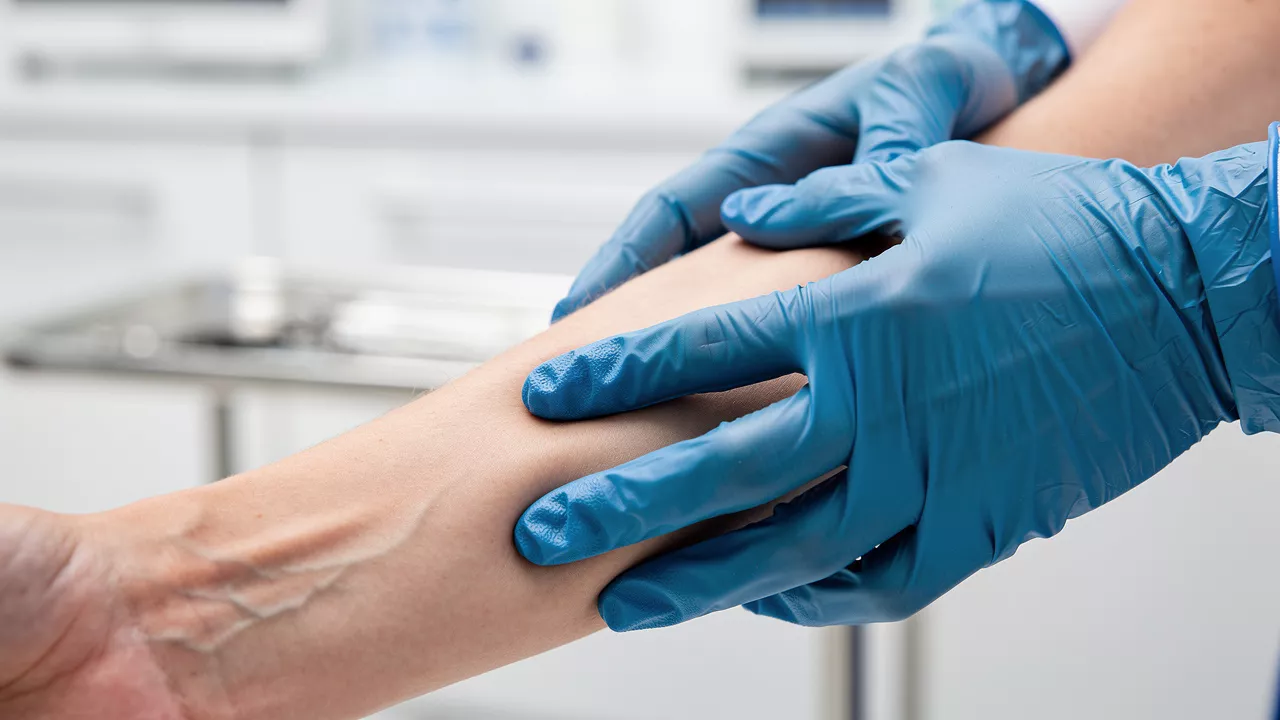
In medical care, the most important uses for nitrile gloves center on infection control. The FDA regulates medical nitrile as exam-grade or surgical-grade, with typical thickness from about 3–4 mils for exams and 5–9 mils for surgery, and recent research on sterile versus nonsterile gloves highlights how glove selection can affect both infection risk and cost in clinical procedures. Newer rules call for high barrier performance, so buyers should always check that gloves meet current medical-grade testing standards. If staff handle chemotherapy drugs or very strong disinfectants, look for chemo-rated nitrile gloves that have passed additional tests.
During exams, blood draws, wound care, and minor procedures, medical nitrile gloves protect both staff and patients from bloodborne pathogens, saliva, and other body fluids. Nitrile holds up better than latex during long wear and is less likely to fail when stretched or snagged on equipment. Because it is latex-free, it also helps protect staff and patients with latex sensitivity, which is a major concern in many hospitals. Good sizing matters too: gloves that are too small can strain hands, while oversized gloves reduce dexterity and can snag on equipment.
Dentistry shows some of the most demanding uses for nitrile gloves. Dental teams face sharp instruments, rotary tools, and splatter from the mouth and nose. They also handle impression materials, acrylics, and strong disinfectants. Nitrile’s puncture resistance guards against needle sticks and cuts, while its chemical resistance stands up better to these materials. Textured fingertips keep a firm grip on small, wet tools, which supports safer and more nitrile gloves for dentists, even during long appointments.
Gloves reduce direct contact with blood and body fluids, but they are not a substitute for careful hand hygiene and clean technique.
Food Service, Food Processing, and Restaurant Kitchens

In food settings, the main uses for nitrile gloves involve food safety and allergen control. Nitrile gloves for food contact are FDA-approved and support HACCP programs. Many also meet EN 1186 standards for food contact, which is helpful for companies that export or work with global partners.
Because they are waterproof and greaseproof, nitrile gloves protect hands from food stains and strong odors while keeping ready-to-eat items safe from skin contact. They do not carry natural latex proteins, so they avoid allergy risks for both staff and guests. Several states, including California, Ohio, Arizona, and Hawaii, have banned latex gloves for food service, which has pushed even more kitchens toward nitrile. Staff should still avoid using disposable gloves with very hot oil or open flames, where heat-resistant mitts or tools are more suitable.
Research shows that nitrile can have lower bacterial transfer rates than some other disposable materials, a key reason many food safety managers focus on uses for nitrile gloves in their hazard plans. Of course, gloves only help if staff follow good practices, such as changing gloves:
between raw and ready-to-eat foods
after touching the face, hair, phone, or money
after cleaning, taking out trash, or handling chemicals
any time gloves look torn, stained, or have been worn for a long period.
Powder-free nitrile is often preferred in kitchens to avoid cornstarch getting on food or work surfaces, and to keep workstations easier to clean.
In food prep, gloves protect both the worker and the plate—poor glove habits can spread germs just as fast as bare hands.
Automotive, Industrial, and Chemical Handling
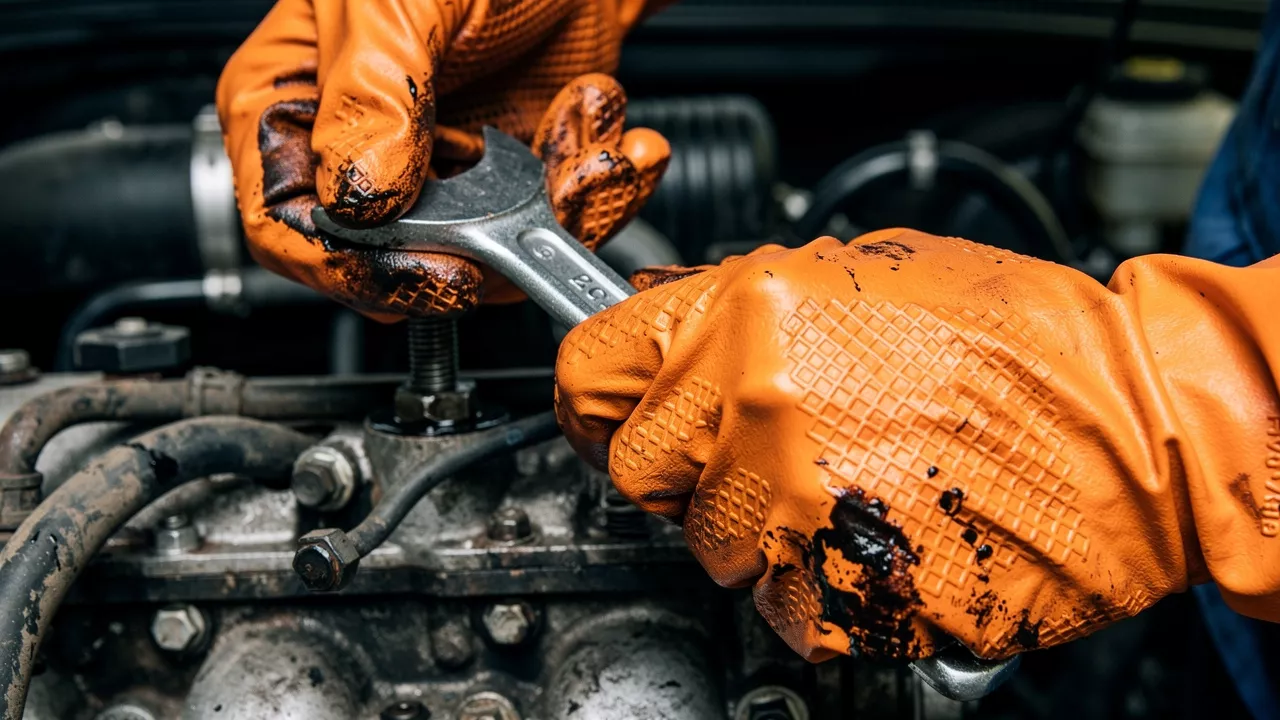
For auto repair and heavy industry, many of the top uses for nitrile gloves involve harsh chemicals and physical risks. automotive work, fuels, brake fluid, and strong cleaners every day. These products can quickly break down vinyl or latex gloves, while nitrile stands up far better to petroleum-based fluids and many solvents. Nitrile also keeps hands cleaner, which makes it easier to spot leaks, cracks, or metal splinters during inspection.
In factories and workshops, workers often use industrial-grade nitrile gloves for protection from chemical splashes, grime, and abrasions. Here, a thicker glove makes sense. GLOVEWORKS HD Orange Nitrile Industrial Disposable Gloves, available through Nitrile Gloves Info, are 8 mils thick and have a raised texture that improves grip on tools and parts. The bright orange color also makes it easier for safety managers to confirm glove use from a distance and to see contamination on the glove surface.
Chemical-handling tasks are some of the most serious uses for nitrile gloves, but they also need the most care — scientists shocked to find that glove material itself can interact with certain substances in unexpected ways, reinforcing why matching the right glove to each chemical exposure matters. Nitrile resists many acids, bases, oils, and organic solvents, yet some chemicals, such as ketones, acetates, and amines, can pass through more quickly. Safety officers should always check a chemical resistance chart and the Safety Data Sheet before assigning nitrile as the main barrier. When using nitrile gloves around chemicals, good practice includes:
choosing the correct thickness and grade for the job
reviewing a chemical resistance chart for each product handled
inspecting gloves for tears, punctures, or swelling before and during use
changing gloves after a splash, heavy contamination, or extended exposure.
No single glove material resists every chemical; always match the glove to the specific product and exposure time.
Nitrile Gloves In Beauty, Salons, and Tattoo Studios
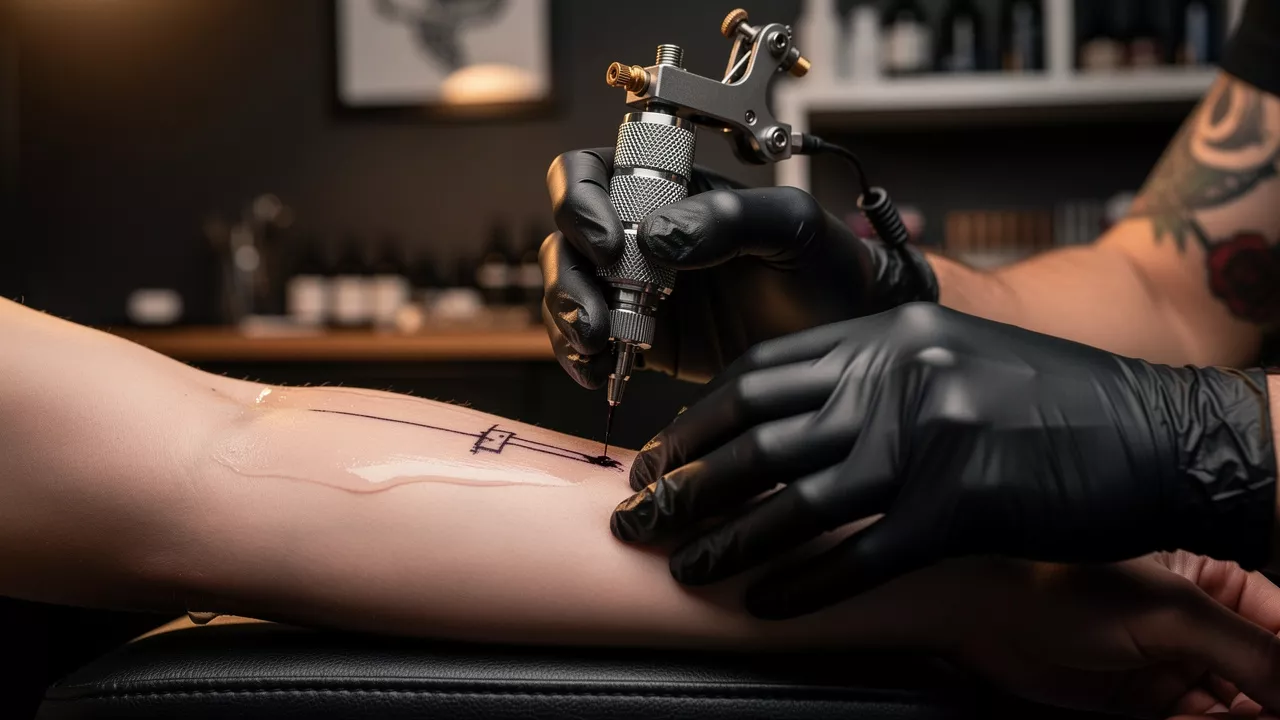
There is a fast-rising group of uses for nitrile gloves in the beauty and body art fields. Here, workers face both chemical risks and, in tattoo work, contact with blood. At the same time, clients may have unknown latex allergies, so many shops move to nitrile to keep every service as safe as possible.
In hair salons and barbershops, stylists work with hair dyes, bleach, toners, perming lotions, and straightening treatments. These products can dry out skin, cause irritation, or lead to long-term skin problems when used day after day without protection. Nitrile gloves create a clean barrier so stylists can mix and apply color without stained hands or chemical burns. Thin, flexible nitrile keeps the sense of touch needed to section hair, apply foils, and style with care.
tattooists need nitrile depend on some of the most sensitive uses for nitrile gloves. Artists need a close-fitting glove that feels like a second skin yet still guards against needle sticks and exposure to bloodborne pathogens. Nitrile’s strong puncture resistance gives that safety margin, while its snug fit and high tactile feel support the fine control needed for lining and shading. Because studios may see many clients in a single day, latex-free materials are a smart way to avoid surprise reactions. Artists should change gloves between clients, after cleaning the station, and whenever gloves touch non-sterile surfaces.
Spas and skin-care clinics also lean on nitrile when working with chemical peels, waxing, and concentrated serums. Nitrile helps protect hands from acids and hot wax while keeping treatments hygienic for the client. Powder-free styles work best here so no cornstarch interferes with products or clings to skin, which is especially important for facials and post-treatment photos.
Appearance matters in these settings, so black nitrile gloves are very popular. They hide ink, hair dye, and product stains and give a clean, professional look in photos and on social media. Nitrile Gloves Info stocks black, blue, and high-visibility orange options so salons and studios can choose gloves that match their brand while still meeting all practical needs. Different colors can also help staff quickly spot when they have touched a contaminated surface.
In beauty and tattoo settings, clean, intact gloves signal professionalism as much as they protect skin.
Conclusion
Across all these fields, the most important uses for nitrile gloves share the same goals: protect hands, cut down on cross-contamination, and avoid latex allergy risks. From exam rooms and dental chairs to prep lines, repair bays, and tattoo stations, nitrile offers a mix of strength, chemical resistance, and comfort that few other disposable glove materials can match.
Because nitrile gloves come in many thicknesses, from light 2–3 mil exam styles to rugged 8 mil industrial gloves, you can match each task to the right glove type. The key is to pick the proper grade, check medical or food-contact certifications as needed, and follow safe use and disposal practices. Taking a little time to train staff on when and how to use gloves pays off in fewer incidents and better compliance.
Nitrile Gloves Info brings all of this together with expert guidance and a wide range of medical and industrial nitrile gloves, including heavy-duty choices such as GLOVEWORKS HD Orange. Exploring these options is one of the simplest ways to improve hand protection and safety across your own workplace.
FAQs
The most common questions about uses for nitrile gloves focus on safety, grades, and how to use them correctly. These quick answers cover the basics so you can choose and use nitrile gloves with more confidence.
Are Nitrile Gloves Safe For Food Handling?
Yes, nitrile gloves are widely used for direct food handling and are approved by the FDA for this purpose. They do not contain natural latex proteins, so they avoid cross-allergic reactions in staff or guests. For extra peace of mind, look for gloves marked for FDA, HACCP, or EN 1186 food-contact use. Powder-free styles are often preferred to cut down on residue and to keep prep areas easier to clean. Remember that single-use food-service gloves should be changed often and never washed or reused.
What Is The Difference Between Medical-Grade And Industrial-Grade Nitrile Gloves?
Medical-grade nitrile gloves go through FDA testing for use in clinics and hospitals. Exam gloves are usually about 3–4 mils thick, while surgical styles can run from 5–9 mils and are sterile. Some medical nitrile gloves are also tested for use with chemotherapy drugs.
Industrial-grade nitrile gloves focus more on chemical resistance and durability for shops and plants. They may be thicker, more textured, or longer in the cuff for extra splash protection. Picking the right grade for the task is a key part of safe uses for nitrile gloves: medical-grade for patient care, and industrial-grade for most mechanical and factory work. Industrial gloves that are not cleared as medical devices should not be used for patient exams or surgery.
Can Nitrile Gloves Be Reused Or Washed?
Single-use nitrile gloves are designed for one wear only and should not be washed, sanitized, or reused. Washing breaks down the material and can create tiny holes that are hard to see but large enough for germs and chemicals to pass through. Reusing gloves also raises the risk of cross-contamination between tasks or work areas.
Thicker reusable nitrile gloves do exist, but they are a separate product type with their own care rules. These are often used for heavy cleaning or chemical handling and are cleaned and inspected between uses according to the manufacturer’s instructions.
Are Nitrile Gloves Safe For People With Latex Allergies?
Yes, nitrile gloves are made from synthetic nitrile butadiene rubber and contain no natural latex proteins. That makes them the recommended choice for anyone with a history of latex allergy. A very small number of people may react to other chemicals used in glove production, but this is rare. For users with very sensitive skin, there are accelerator-free nitrile gloves that remove some common irritants.
All nitrile gloves offered by Nitrile Gloves Info are fully latex-free, which supports safe and inclusive uses for nitrile gloves in shared spaces such as clinics, restaurants, and salons.